Game Key Resellers: How Indie Developers Lose Keys and Stop It
How G2A and other grey market sites get indie Steam keys, real cases from tinyBuild, Wube and Cowcat, Valve's key rules, and how to protect yours.
Short answer: game key resellers like G2A and Kinguin are marketplaces where third parties sell Steam keys, and the keys for indie games mostly come from fake press, creator and curator requests, keys bought with stolen cards on developer stores, and bundles or giveaways. The developer gets nothing from those sales and often pays chargeback fees on top, as tinyBuild (Game Informer) and Wube (GamingOnLinux) said publicly. Valve tells developers to "treat keys like cash" and warns about fraudsters impersonating journalists to get them (Steamworks: Steam Keys). Your best protection is to send fewer raw keys: use Curator Connect, verify every creator, tag each batch, and ban stolen keys when you find them.
What key resellers are and why you should care
A key reseller marketplace works like eBay for game codes. Anyone can list a Steam key, the marketplace takes a cut, and the buyer activates the key on Steam. Some of those keys are legitimate retail stock. For small indie games, a large share comes from places you never meant to sell from.
The harm to a small studio is concrete:
- You earn nothing on the sale. The money goes to the seller and the marketplace. GameDiscoverCo reported that grey market sellers get roughly 80 to 85% of the sale price (GameDiscoverCo, October 2024).
- Chargebacks cost you money. When a stolen card is used on your store, the card owner disputes the charge and you pay the fee.
- Your promo keys produce no coverage. A key that went to a scammer is a review or video you won't get.
- Cheap listings undercut your price. Mike Rose of No More Robots argued that cheap listings make players less willing to pay full price (Engadget, 2019).
This guide is about the fraud side. If you want the basics of getting keys to creators and press, read how to distribute game keys first.
How grey market sites get your keys
| Route | How it works | Public example |
|---|---|---|
| Fake creator, press or curator requests | Scammer poses as a YouTuber, journalist or Steam curator, gets free keys, resells them | Oink Games, Teco Park, Cowcat |
| Stolen credit cards | Keys or bundles bought with stolen cards on a developer or partner store, then resold; card owner files a chargeback | tinyBuild, Wube |
| Bundles and giveaways | Keys from bundles, Kickstarter backer rewards and giveaways are collected and resold | Named by Engadget's 2019 explainer |
| Steam gifts | Gifts bought on Steam, sometimes with stolen cards, then passed on through workarounds | Raised by Mike Bithell in 2019 |
Fake requests. This is the route you control most directly. Engadget's 2019 explainer lists thieves who enter developer giveaways or pose as YouTubers, streamers or journalists to get free codes (Engadget). Valve's own docs say: "We've heard many reports of fraudsters impersonating journalists or storefronts to acquire keys" (Steamworks).
Stolen cards and chargebacks. Fraudsters buy keys with stolen card details on a smaller store with weak fraud checks, often your own website shop. The keys get resold within days. Weeks later the real card owner disputes the charge, your payment provider pulls the money back and adds a fee.
Bundles and giveaways. Keys from bundles, backer rewards and voucher cards can all end up on resale sites (Engadget). tinyBuild said fraudsters used stolen cards to buy bundles in bulk and resold the keys at steep discounts (Game Informer). If you plan a bundle, read Steam bundles for how Valve's own bundles work without keys.
Regional price gaps. A key sold cheaply for one region is worth more in another. Valve offers publishers a "territory control function" that restricts where a key can be activated, as described in the European Commission's 2021 decision (European Commission). More on that below and in Steam regional pricing.
Real cases: what indie studios said publicly
tinyBuild vs G2A (2016)
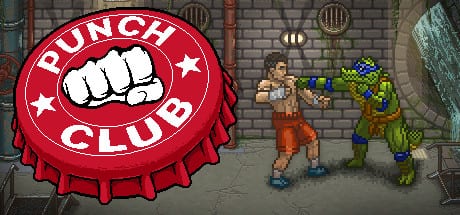
In June 2016 tinyBuild, the publisher of Punch Club, said G2A had sold about $200,000 worth of its keys, with a retail value of $450,000, and that none of it reached the publisher. tinyBuild said the keys came from bundles bought with stolen cards. G2A replied that tinyBuild made "many unjustified demands", disputed the $450,000 figure as based on the highest recorded price, said it had suspended more than 200 tinyBuild listings and asked for a list of suspicious keys (Game Informer).
No More Robots and the "pirate it instead" campaign (2019)
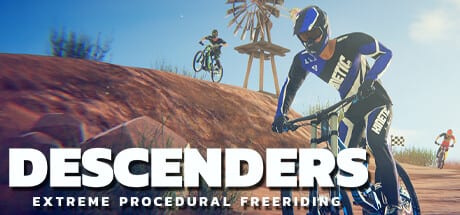
In July 2019 Mike Rose of No More Robots, publisher of Descenders, told players he would rather they pirate his games than buy them on G2A, because G2A ads showed up above his own store links and his studio earned nothing from those sales. He started a Change.org petition asking G2A to stop selling indie games, which passed 5,000 signatures. Rami Ismail of Vlambeer joined in, saying key resellers cost developers time on customer service, fake key requests and chargebacks (Engadget).
G2A's response was two offers. It pledged to pay developers 10 times what they lost on chargebacks from keys sold on its site. It also proposed a key blocker that would stop listed review keys from being sold, but only if 100 developers signed up. By August 12, 2019 only 19 had, and G2A extended the deadline (PCGamesN).
Wube Software and the Factorio claim (2019 to 2020)
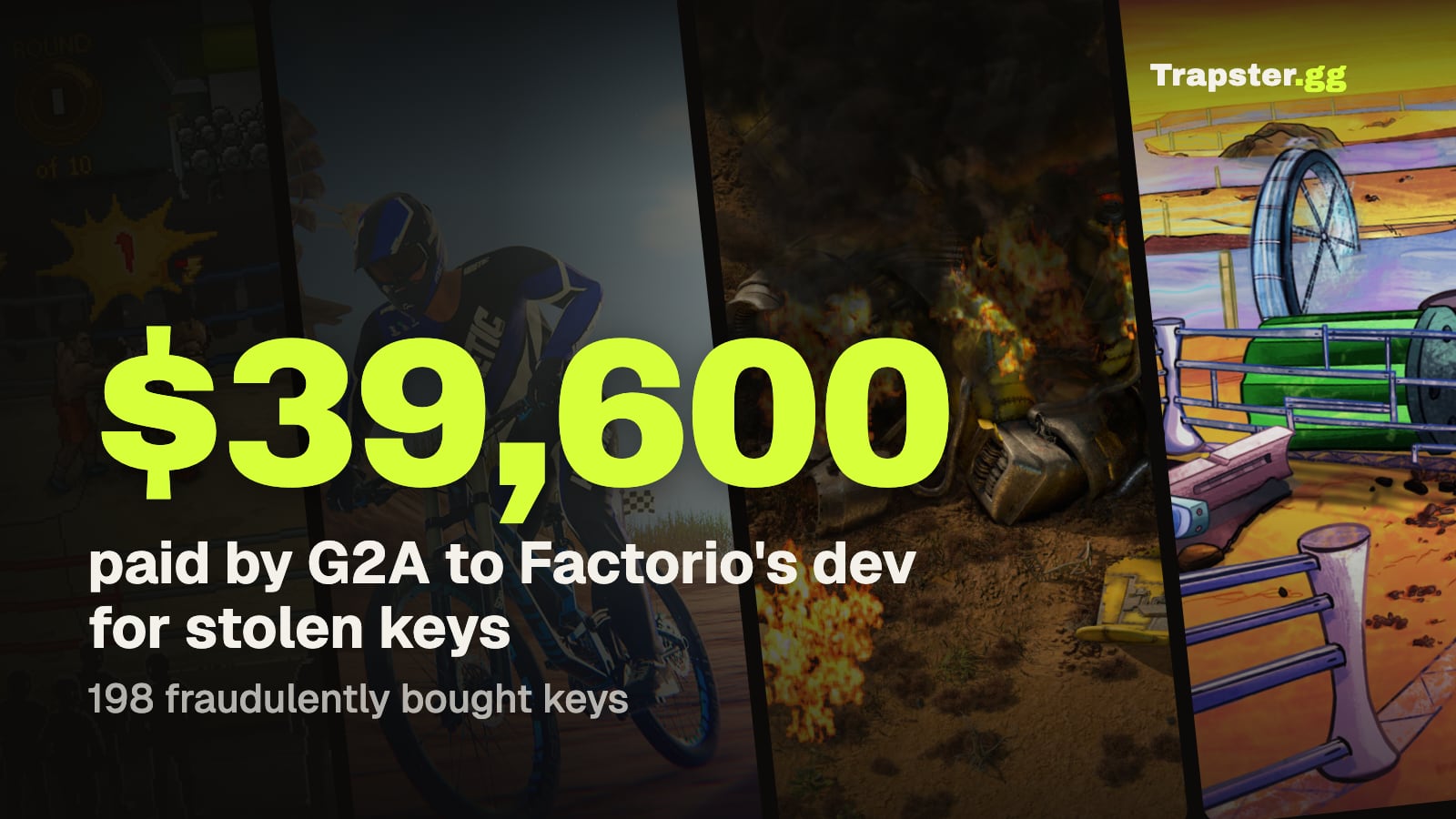
Factorio developer Wube Software was the one studio that took G2A up on the chargeback pledge. Wube had paid about $6,600 in chargeback fees, at roughly $20 each, after a wave of fraud on its own store in 2016, and kept a list of the Steam keys it had to revoke because they were bought fraudulently (PC Gamer, July 2019). It gave G2A 321 keys. G2A could not find an outside auditor, ran the check itself, and matched 198 of those keys to sales on its marketplace. In May 2020 G2A paid Wube $39,600 and said it would cover chargeback fees, not 10 times the loss, for future proven cases. Wube said its old store was less secure than Steam, itch.io and the Humble widget, and that the best fix is to "cut it at the source" (GamingOnLinux).

The lesson for you is less about G2A and more about your store. Wube's own shop was the weak point. Subnautica studio Unknown Worlds also told G2A in August 2019 that it owed the studio $300,000 under the pledge, for chargebacks it dated to 2013 (PC Gamer). G2A called the accusations slander, and founder Charlie Cleveland later said G2A appeared to be right in that case (PC Gamer).
Oink Games and Pocketpair (2021)
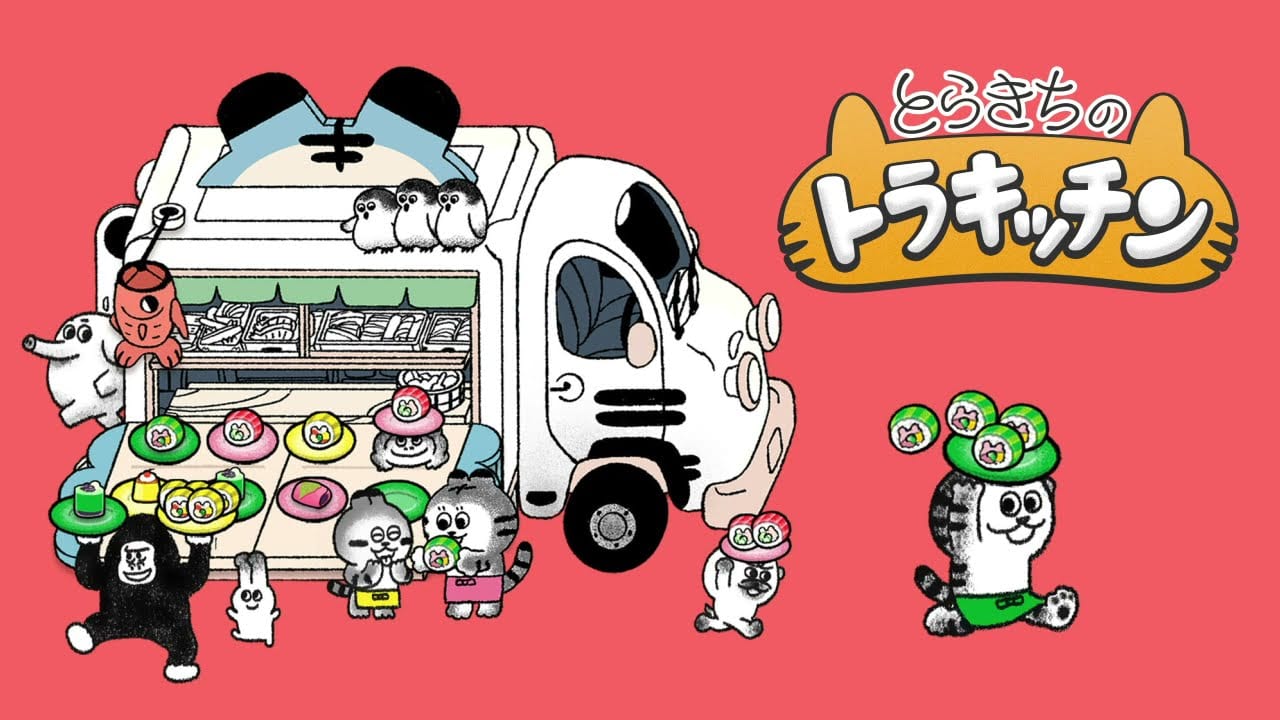
When Oink Games released Tiger Trio's Tasty Travels on Steam in October 2021, representative Jun Sasaki said the studio got "a mountain of requests" to review it. He checked each request before sending keys, got no reviews back, and found every key had been resold. The same report quotes Pocketpair's Takuro Mizobe, head of the Craftopia team, describing fake reviewer requests that tried to win sympathy with lines about war or disability (AUTOMATON).
Cowcat's sting on fake curators (2022)
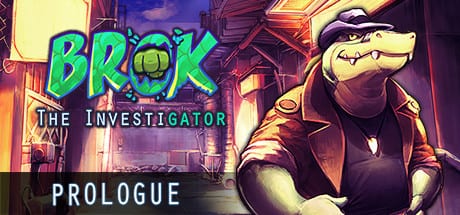
Around Brok the InvestiGator's launch in August 2022, developer Cowcat sent prologue keys instead of full game keys to every curator who asked. Real reviewers would notice and ask for the right key; resellers would pass on a key they never opened. After launch, several curators switched their reviews from positive to negative, even though their keys could not open the full game. Cowcat reported them, and Valve removed the groups: 9 groups that posted negative reviews plus 11 more run by the same owner, 20 bans in total (GamesRadar+).
A few days later 11 bit studios, maker of Frostpunk, said it would stop giving keys to Steam curators because "most of the requests come from fake accounts used to gather and resell the keys" (Game Developer).
Teco Park and the disappearing YouTube channels (2024)
Shunsuke Miyake of Teco Park, maker of Pico Park, sent keys only to YouTube channels that looked safe: verified, with real subscriber counts and regular videos with views and comments. When he checked back later, 70% of those channels had vanished. He found that YouTube lets a channel change its name up to 3 times every 90 days, so a channel can disappear from a search, while its unique channel ID stays the same. He said his mistake was not checking the channels' other social accounts (AUTOMATON).
Fake streamers built to pass your checks (2024)
GameDiscoverCo described a network of fake YouTube channels with about 10,000 to 15,000 subscribers and 5,000 to 15,000 views per video, bought followers, custom thumbnails and narration, set up to pass developers' checks. One example reviewed the game Conscript. Bruno Laverny, marketing director at Ishtar Games, had already linked the same group to at least 5 other channels. The scammers' approach, in Simon Carless's words, is "banking that the dev is too busy to do homework" (GameDiscoverCo).
An earlier first hand account came from Vladimir Slav, developer of Lazy Galaxy: Rebel Story, who wrote back to 20 people behind suspicious key requests. Six replied, and one put average income from the practice at 400 to 600 EUR a month (Game Developer, 2018). Treat that as one person's claim.
What Valve's rules say about Steam keys
Steam keys are free to generate, but Valve sets rules and reviews every request (Steamworks: Steam Keys):
| Rule | What the docs say |
|---|---|
| Waiting period | Developers launching their first game must wait 3 weeks after creating an AppID before requesting keys |
| Volume | Up to 5,000 Default Release keys for a launching game, then case by case review; Release State Override (beta) keys generally capped at 2,500 total |
| Press and creators | Release State Override keys are meant for small betas and press or influencer access; it is never OK to sell them |
| Price parity | Don't give Steam customers a worse deal than people who buy Steam keys elsewhere |
| Giveaways | No free key giveaways unless Steam customers get the same deal, except very small ones under 100 keys |
| Resellers | If your sole business is selling keys without offering value to Steam customers, requests may be denied |
| Banning | You may ban keys that were stolen or bought fraudulently, but never keys legitimately sold to customers |
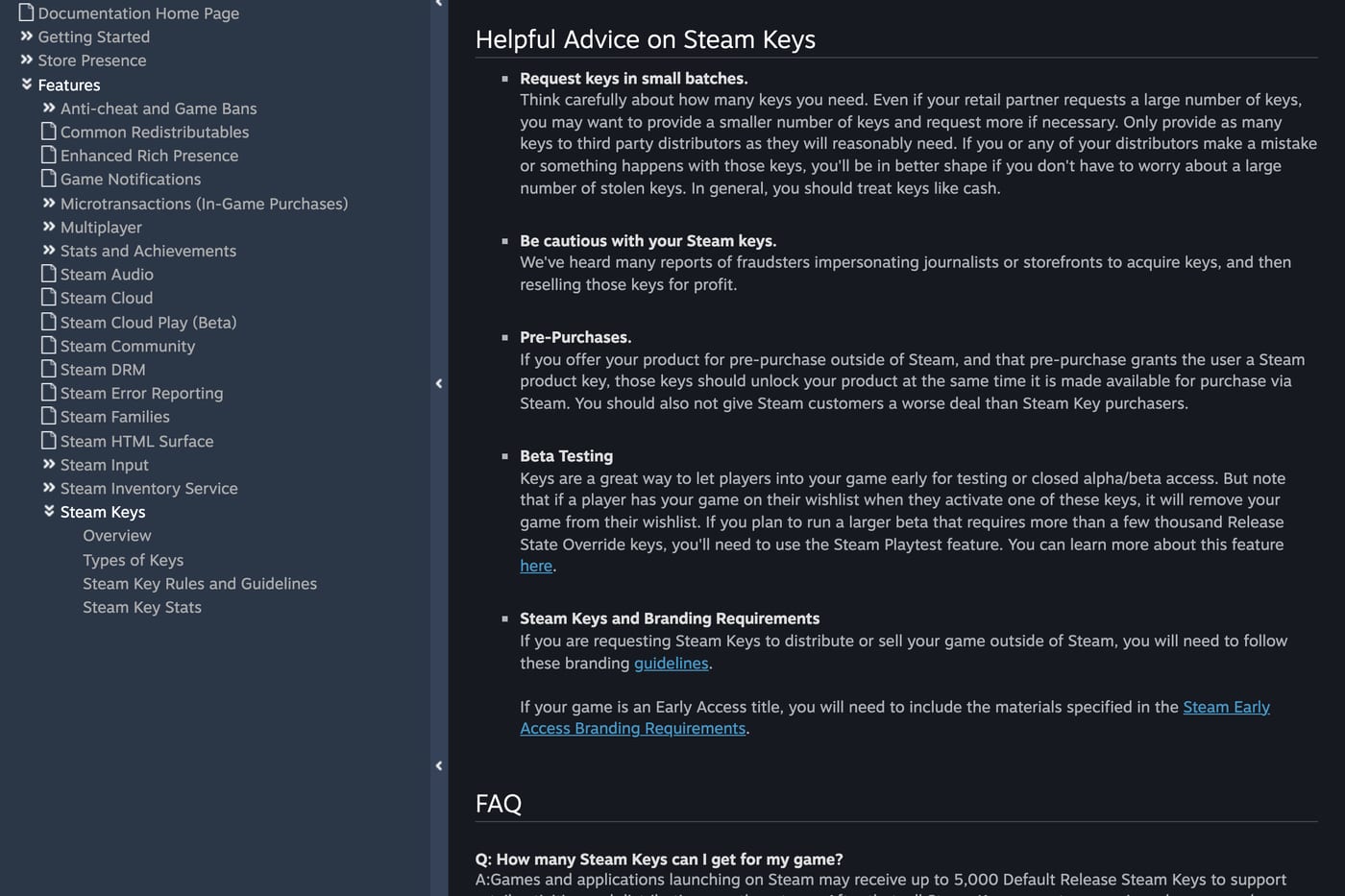
Why Valve may refuse your key request. Valve says it "reserves the right to reject Steam Key requests" and weighs customer interest on Steam and how many keys were already issued and activated. A request "will usually be rejected if there's an imbalance" that suggests you are not making a fair offer to Steam customers, and repeated problems can cost you the right to request keys at all (Steamworks). In practice that means a game with low Steam sales asking for thousands of keys looks like a key farm, even if your intent is promotion. Ask for what you need for the next few weeks, not the year.
One more detail most studios miss: when someone activates a key for your game before release, Steam removes the game from their wishlist (Steamworks). Every pre-launch key that goes to a reseller's customer can cost you a wishlist that would have triggered a launch email.
How to protect your keys
- Use Curator Connect for curators. It sends a license straight to the curator's Steam account, with no key to resell. You can send to 100 curators, up to 5 copies each, and the game is playable even before release (Steamworks: Curators). Full walkthrough in Steam curators and Curator Connect. Ignore curator requests by email that ask for raw keys.
- Send outbound, not inbound. GameDiscoverCo's advice is to send keys to creators you picked yourself rather than answering requests (GameDiscoverCo). Finding them is covered in how to find gaming influencers.
- Route requests through a verified platform. Services like Keymailer, Lurkit and Woovit add creator verification, though GameDiscoverCo notes they are not immune to scams. Reply to email requests with a link to your request form or platform page; a real creator can spend two minutes on it.
- Tag every batch. Valve calls tagging "a valuable accountability measure". Request separate batches for press, creators, giveaways and each store, so a leak points to its source (Steamworks).
- Keep batches small. Give each partner only what it will reasonably need, so one theft hits fewer keys.
- Lock down your own store. If you sell keys on your site, use a payment provider with strong fraud screening, or sell through Steam, itch.io or the Humble widget, which Wube called more secure than its old shop.
- Use region restrictions where they are legal. For keys meant for one market, ask about the territory control function. Inside the EEA, contractually restricting cross-border sales breaks EU competition law: in January 2021 the European Commission fined Valve and five publishers €7.8 million for geo-blocking Steam keys (European Commission).
- Send a demo or prologue where it is enough. Cowcat's prologue trick works as a filter, and free products are harder to resell.
How to check a creator before you send a key
| Check | Red flag |
|---|---|
| Email address | Doesn't match the contact on the channel's About page; free webmail posing as a big creator |
| The request | Copy pasted text with only the game name swapped; asks for several keys "for my team" |
| Channel history | Old videos in another language or niche; recent name change. Save the channel ID, not the name |
| Engagement | Views and comments far below subscriber count; generic comments |
| Other accounts | No matching X, TikTok, Discord or site, a gap Teco Park said it missed |
| Proof of ownership | Won't reply from the channel itself or post a comment you ask for |
The comment check comes from GameDiscoverCo: post a comment on the creator's video and ask them to reply as the official channel. The same report describes scammers writing from made up or slightly altered email addresses (GameDiscoverCo). Pocketpair's Mizobe warned that requests from free email domains are most likely scams, since big creators use their own domains (AUTOMATON). The Lazy Galaxy developer advises checking a channel's linked social accounts and whether its videos get real views and comments (Game Developer).
If you want guaranteed coverage from real channels on a set date, a paid creator campaign where views are tracked is a different tool from free key outreach.
What to do if your keys leak
- Find the batch. Search your game on the main reseller sites. If you tagged batches, check which ones show more activations than expected. Steamworks shows total activated and unactivated keys, and you can look up keys one at a time (Steamworks).
- Ban unused keys in the leaked batch. In the Ban or Disable Steam Keys tool you can ban only unactivated keys or the whole batch. Valve warns to "be very careful", because banning can remove access from legitimate buyers, and you must never ban keys legitimately sold to customers.
- Ban stolen keys you can prove. Keys bought with stolen cards on your store can be banned. Match them to the chargebacks first.
- Report fake curators to Valve. Cowcat's reports led Valve to remove 20 curator groups (GamesRadar+).
- Contact the marketplace with evidence. G2A asked tinyBuild for a list of suspicious keys and said it would cover chargeback fees for keys proven illegitimate (GamingOnLinux). Send key lists, chargeback records and dates.
- Change the process that leaked. Close the store, shrink the batch size, stop answering inbound curator emails. Then tell your community where to buy, a point you can make in your store page and Discord without attacking players.
FAQ
Is it legal to sell Steam keys on G2A? Reselling keys is not illegal in itself in most countries. Selling keys bought with stolen cards is fraud, and Valve's rules forbid selling Release State Override keys meant for press and betas.
Do developers get money from G2A key sales? No. Developers earn when a key is first sold through an authorized store. Resale on a marketplace pays the seller and the marketplace.
How do scammers get free Steam keys from indie developers? Mostly by posing as YouTubers, streamers, journalists or Steam curators, then reselling the keys. Oink Games, Teco Park and Cowcat all described this publicly.
Can I revoke a Steam key that was resold? You can ban keys that were stolen or bought fraudulently in Steamworks, including activated ones. Valve says never to ban keys legitimately sold to customers.
Why did Valve reject my Steam key request? Valve rejects requests that look out of balance with your Steam sales, or that suggest your main business is selling keys rather than serving Steam customers. First time developers must also wait 3 weeks after creating an AppID.
Is Curator Connect safe from resellers? Safer. It grants a license directly to the curator's Steam account, so there is no key to resell. The curator can still be low quality, so check their reviews before you send.
Should I stop giving keys to creators? No. Send them outbound to creators you checked, through tagged batches, and stop answering anonymous mass requests.
Sources: Steamworks: Steam Keys; Steamworks: Curators; European Commission IP/21/170; GameDiscoverCo; Game Informer; Engadget; PCGamesN; GamingOnLinux; PC Gamer 2019, Unknown Worlds and G2A response; AUTOMATON 2021 and 2024; GamesRadar+; Game Developer; Game Developer 2018; checked November 2026.
Get a wishlist forecast for your game
Send us your Steam page. We estimate views, creators and cost per wishlist before you spend anything.
Keep reading
Twitter for Game Developers: Is X Still Worth It in 2026?
Is X still worth it for indie devs? Link penalty facts, Bluesky…
How to Market a Strategy Game: 4X, RTS and City Builders
How to market a strategy game on Steam: who buys it, demos…
Instagram Reels for Game Developers: Ranking, Formats, Steam Links
How Instagram ranks Reels, which game formats work, how to send viewers…