Influencer Marketing for Indie Games: A Practical Guide
How indie studios work with gaming creators: picking creators, paying per view, writing a brief and measuring the result in Steam wishlists.
Short answer: for most indie games, influencer marketing now means short-form video. Many small and mid-size creators posting about your game in the same few days, paid per view, with the result measured in Steam wishlists. A wide roster spreads the risk, a short brief gets better videos than a script, and cost per wishlist tells you whether it worked.
Ask a dozen indie developers about influencer marketing and you hear two stories. Half sent free keys to 200 YouTubers and got four videos back. The other half got one clip from the right creator and watched wishlists jump overnight.
Both stories are true, and the difference is rarely luck. It comes down to who you pick, how you pay and what you ask for.
What influencer marketing means for a game in 2026
You pay or reward creators to make content about your game for their audience. That used to mean a 30 minute let's play. For most indie games today the heavy lifting is done by 15 to 60 second videos on TikTok, YouTube Shorts and Instagram Reels, for three reasons:
- They are fast to make, so a creator can post within hours of getting the game.
- They reach far beyond the creator's own followers, because the feed is algorithmic.
- One video is often cross-posted to all three platforms.
Long videos still matter for games with deep systems or a strong story. They are just a different, slower and more expensive tool.
One big creator or fifty smaller ones
A single big creator is a single bet. If that video underperforms, the budget is gone and you learned one data point.
A wide roster behaves differently. Some videos flop, most do fine, and one or two take off. You can't predict which, but across 30 to 50 creators you almost always get a few strong hits.
Very Safe Dino Park is a good example. 33 creators posted 67 videos. One TikTok passed 731,000 views on its own, and the rest of the roster built a steady base under it. The page added 15,701 wishlists at $0.10 each. Nobody could have picked that one creator in advance.
Three ways to pay
| Model | How it works | Best for |
|---|---|---|
| Free keys | You send a key, the creator decides whether to cover it | Tiny budgets, no guarantees |
| Flat fee | A fixed price per video, whatever it gets | Big creators, fixed deliverables |
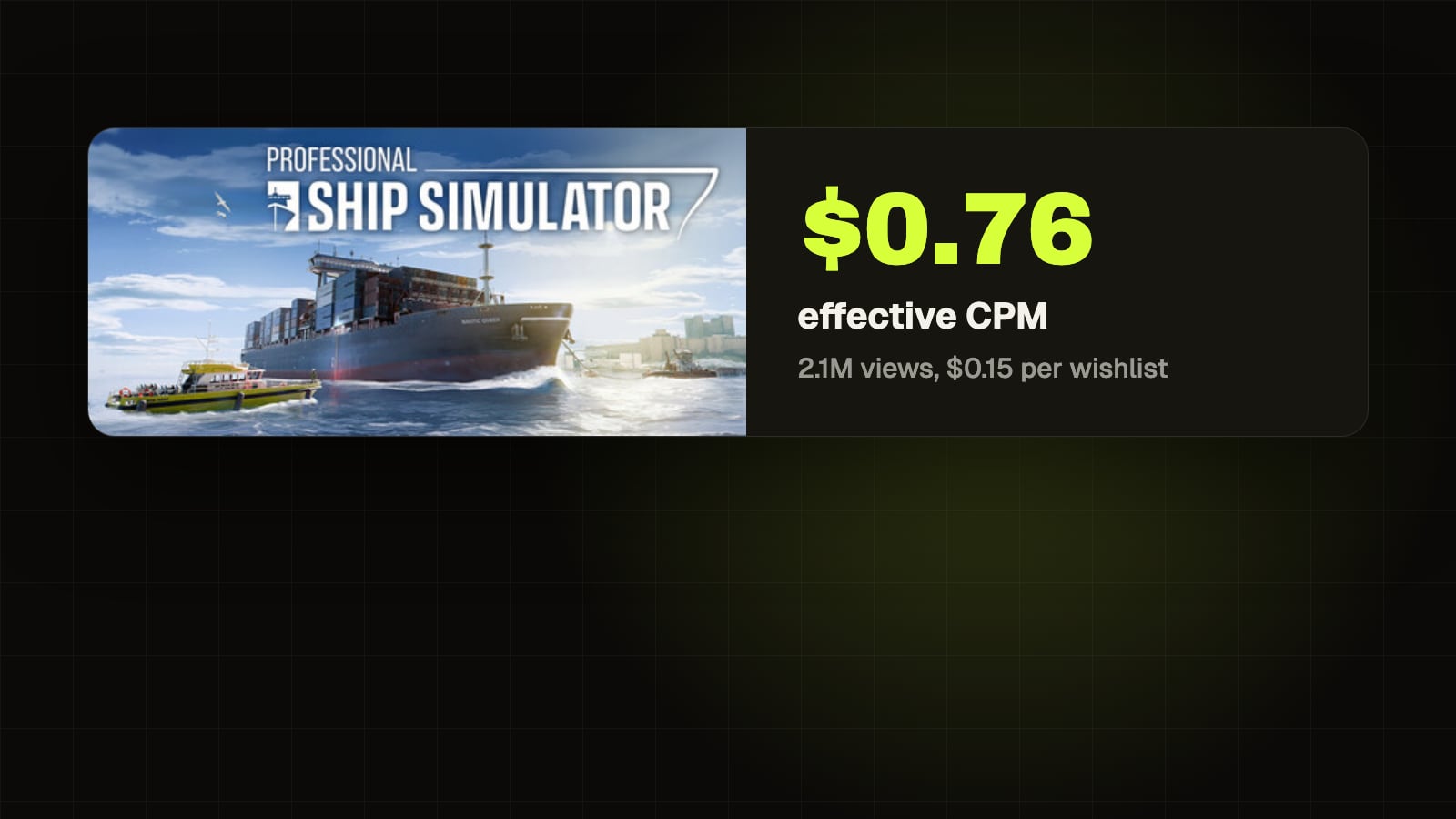
| Pay per view (CPM) | You pay for the views the content actually gets | Spreading a budget across many creators |
Pay per view is the most predictable model for indie budgets, because a video that flops costs little and a video that takes off is the one you pay for. On Trapster you set a CPM and pay only for verified views. The full breakdown, with real effective CPMs, is in how much game influencer marketing costs.
How to pick creators
Follower count tells you very little. Check these instead:
- Median views over the last ten posts, not the best one. A single viral hit says nothing about the next video.
- What they usually cover. A cozy farming channel won't sell a horror game.
- Audience language and region. If your game is English only, an audience that mostly speaks another language is a weaker fit.
- Whether they post about games they actually played. Viewers notice when a creator is reading a brief.
Doing this by hand for 50 creators takes weeks. On a marketplace like Trapster it works the other way around: creators see your campaign and opt in to games they want to cover, so you skip the outreach. If you are weighing an agency instead, we compared the two in Trapster vs influencer agencies.
Write a brief creators can use
Most weak videos come from weak briefs. A good one fits on a phone screen:
- Show the game in the first two seconds. The hook decides whether anyone keeps watching.
- Name the must-haves. A key mechanic, the game title on screen, the Steam page in the description.
- Name the don'ts. For example, no other games in the same video.
- Give ideas, not a script. Creators know what works with their audience better than you do.
- Give access. A key or a demo, early enough to record.
Measure in wishlists
Views are a means, not the result. Track wishlists per day before, during and after the campaign, and compare them to your normal baseline. The number to watch is cost per wishlist: what you paid creators divided by the wishlists added.
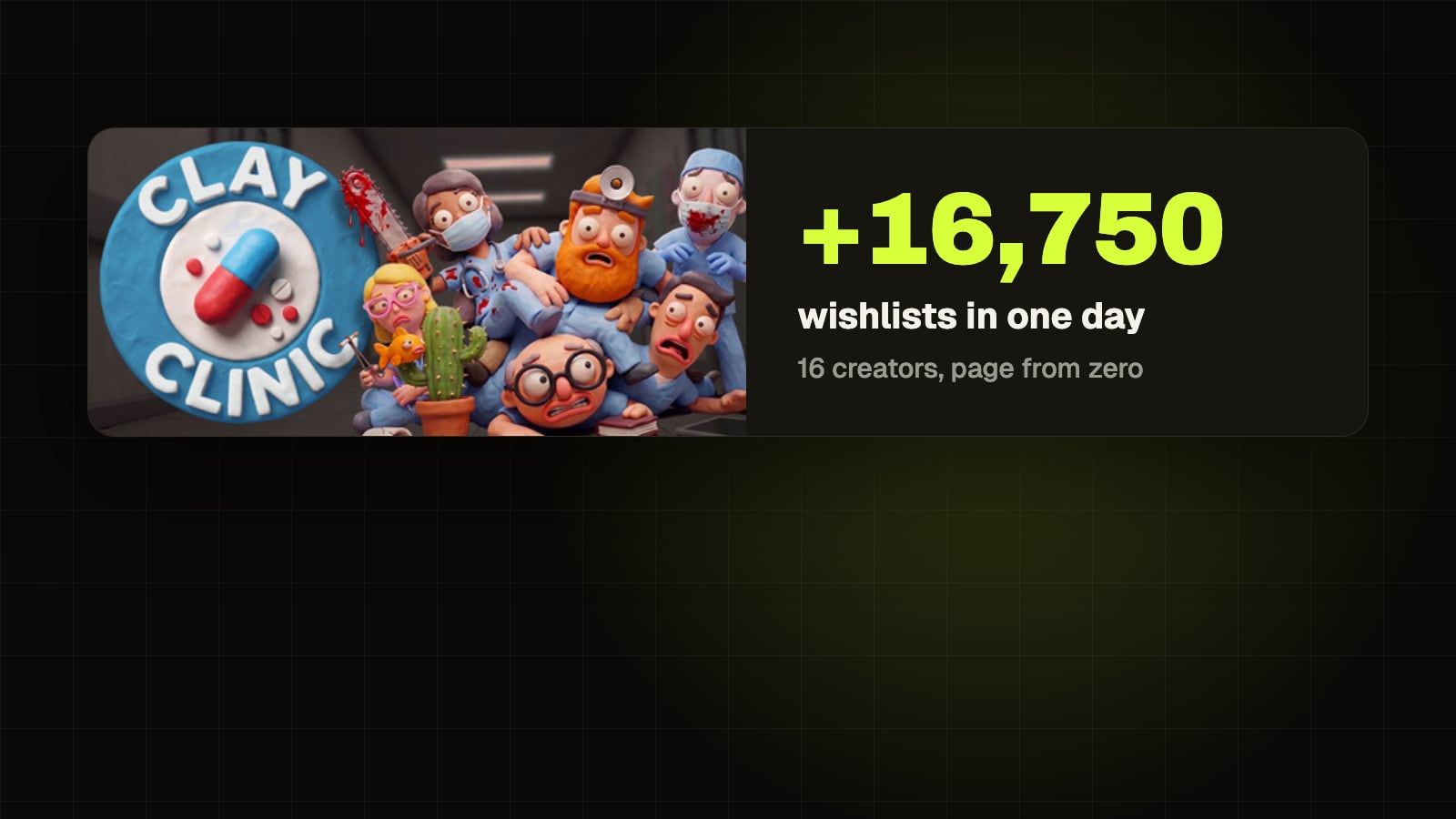
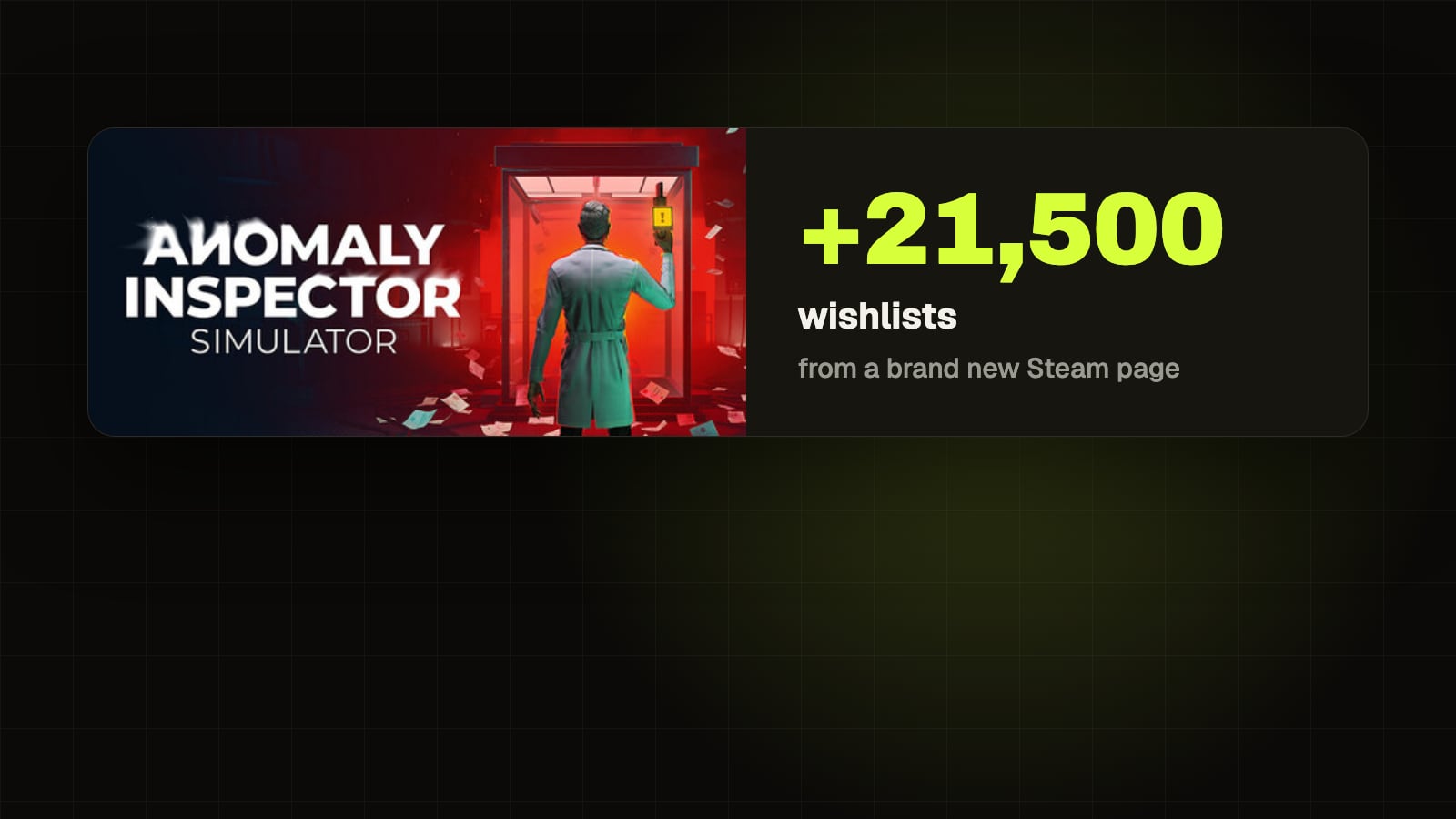
For reference, three public results: Clay Clinic added 16,750 wishlists at $0.16, Catch Meow If You Can 11,961 at $0.20, Anomaly Control Simulator went from a brand new page to 21,500 wishlists at $0.18.
Ask how fake views are handled
Bought views and bot traffic are a real problem in pay-per-view creator marketing. Before you pay anyone, ask how views are checked and what happens to suspicious ones. On Trapster every submission is checked on our side, and you never pay for views that fail the check.
FAQ
Do I need a big creator to get results?
No. Most of our strongest results came from rosters of 15 to 60 mid-size creators, where one or two videos broke out.
Should I give creators a script?
Give them rules and ideas, not a script. Scripted videos read like ads, and viewers scroll past ads.
How fast do creators post?
On more than half of Trapster campaigns the first video is live within 3 hours of launch, and on two thirds within 24 hours.
How do I know a campaign worked?
Compare wishlists per day during the campaign to your baseline before it, then divide creator spend by the extra wishlists.
Run your first campaign
Start with one campaign, one clear hook and a wishlist goal. Learn what works for your game, then scale it. Every studio on Trapster gets an account manager who helps with the brief and the timing. See how it works or book a call.
Sources: campaign figures come from Trapster case studies. Cost per wishlist is the creator budget divided by wishlists added, platform fee excluded.
Get a wishlist forecast for your game
Send us your Steam page. We estimate views, creators and cost per wishlist before you spend anything.
Keep reading
How to Get More Steam Wishlists Before Launch
Seven ways to grow Steam wishlists before launch: store page fixes, demos…
How Much Does Game Influencer Marketing Cost? CPM Explained
Flat fee vs pay per view, how CPM and effective CPM work…
How to Market Your Steam Next Fest Demo
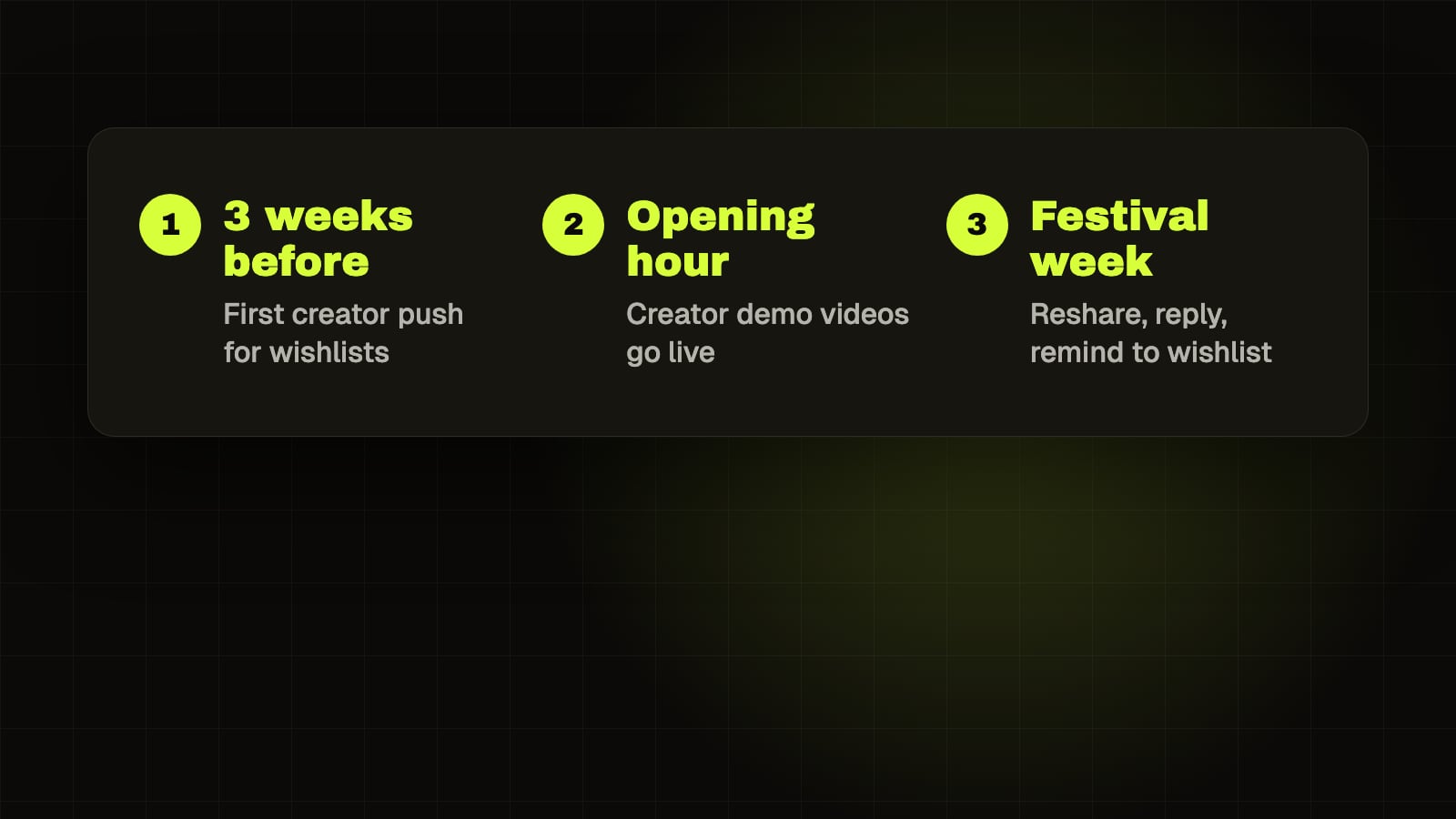
A two wave plan for Steam Next Fest: build wishlists weeks before…