How to Get Press Coverage for an Indie Game (2026 Guide)
How to email game journalists: build a target list, write the pitch, time embargoes, follow up, and what press really does for Steam wishlists.
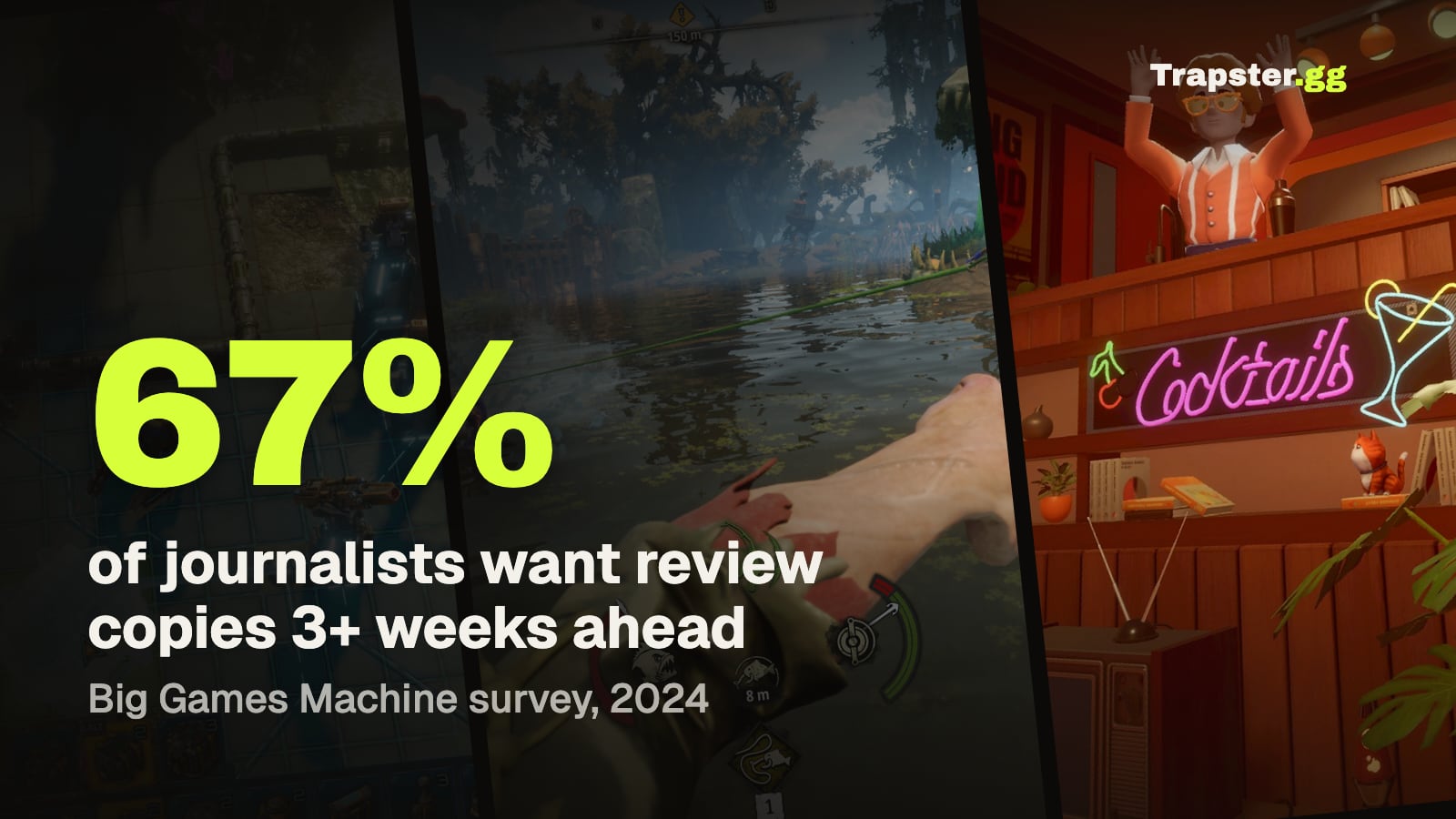
Short answer: You get press coverage for an indie game by pitching a short, specific email to the individual writers who already cover games like yours, with a clear hook, a link to your press kit, and a key or build ready to go. Journalists receive a lot of pitches: in a 2022 Big Games Machine survey of over 160 games journalists, 42% said they get 11 to 30 pitches a day and 21% get more than 30. Start several months before launch, give reviewers about three weeks with a build, follow up once or twice, then stop. Keep expectations honest: Chris Zukowski of How To Market A Game summarized a year of developer postmortems with "Press doesn't do much" for wishlists on its own, so treat press as one channel in a wider plan.
What press coverage actually does for wishlists
Public case studies show a consistent pattern: a single article rarely moves wishlists much, but a big-outlet trailer premiere or preview can, especially when the game already has momentum.
| Game | Press moment | Public outcome | Source |
|---|---|---|---|
| The Riftbreaker | 2019 press for the reveal trailer; 2020 PC Gamer 24-hour trailer exclusive and a Eurogamer preview | 2019 press brought "minimal wishlist gains"; the 2020 PC Gamer exclusive sent "a lot of high-quality traffic" | GameDiscoverCo |
| Blight: Survival | IGN exclusive gameplay reveal trailer (2022) | Trailer hit 2.7 million views in six days; the pitch already cited 105,000+ wishlists | How To Market A Game |
| Jump Ship | IGN studio visit and first-preview video; PC Gamer preview from the GDC build | IGN video at 414k views; 293,828 wishlists by late May 2024 | GameDiscoverCo |
| DREADMOOR | IGN preview after a journalist visited the PAX East booth (2026) | Part of a 13,000-wishlist week, credited jointly with TikTok and Reels videos | Game World Observer |
| Mortal Glory | Coverage on one of the bigger press sites | About 50 sales from that article | How To Market A Game |
| Escape Simulator | No press coverage | Still sold about 400,000 copies | How To Market A Game |
The Riftbreaker story is the most useful one because the same studio, EXOR, tried press twice. In 2019 the reveal trailer went to the PlayStation Blog, Xbox Wire and traditional press, and the team told GameDiscoverCo the result was "minimal wishlist gains." In 2020, with influencer videos and a demo already working, a 24-hour gameplay trailer exclusive on PC Gamer paid off.
First, press is better at amplifying momentum than creating it. Second, the big wins in these examples came from video (IGN's YouTube channel) and previews, not from a news post rewriting a press release. Zukowski said it plainly on the GDC podcast: "I don't think the press matters as much as it used to."
Press still earns its place. Articles give you quotes for your Steam page and trailer, credibility when you pitch publishers or showcases, and social proof for the next pitch. Zukowski's IGN guide shows Paranormal Tales' marketer citing its IGN trailer as proof when he then pitched other outlets.
Step 1: Build a target list of outlets and writers
A press list is a spreadsheet of people, not a list of generic tips@ addresses. Shannon Drake's PR guide on Game Developer calls a masthead "the ideal find" because it lists staff with titles and beats.
- Filter by platform and genre. A PC-only game rules out console-only sites. A cozy farming game rules out writers who only cover shooters.
- Find who covered similar games. Search Google for your comparable titles on each outlet, for example
site:pcgamer.complus a comparable game's name. In Zukowski's IGN guide, Paranormal Tales' marketer searched "ign horror game" to find the editors who recently covered similar games. - Write down the person, not the site. Name, outlet, the article they wrote about a similar game, date, email or contact form, and social handle.
- Rank in tiers. Drake suggests putting writers who covered your previous game first, then those who covered it less, then everyone else on your platform.
- Refresh it. Thomas Faust's IndieGamesPlus guide warns that "any list that's older than a year needs a lot of work." Writers change outlets and beats often.
- Track everything. Add columns for date pitched, follow-up date, key sent, reply and coverage link.
Which outlets to include
| Tier | Examples from the case studies above | What they're good for |
|---|---|---|
| Large outlets with video channels | IGN, PC Gamer, Eurogamer | Trailer premieres, previews, big reach |
| Indie-focused sites and regional outlets | IndieGamesPlus, MobileSyrup (its gaming editor focuses on Canadian indies) | Realistic coverage for small games, quotes for your store page |
| Newsletters and niche writers | Playing This Week, genre blogs | Engaged readers who match your audience |
Drake argues that working with "100 smaller sites rather than 10 big ones" can outperform a few prestige placements, and warns that a well-placed article on a major site can bring "only a handful of clicks" if its readers don't care about your genre. Mortal Glory's 50 sales from a big site is that warning in practice.
Step 2: Find your angle before you write anything
Lewis Denby, a former journalist who now runs a PR consultancy, wrote on Game Developer that "Game X released/announced today" is "never a compelling story." He estimated that about 90% of the indie emails he received as a journalist were hard to act on.
A newsworthy angle answers "why would readers care this week?" Options that work:
- A clear comparison. Writer Kate Gray, who has written for Kotaku, Rock Paper Shotgun and NintendoLife, told Simon Carless she prefers "this game is X meets Y" to a vague genre label.
- A human story. Dean Takahashi of GamesBeat writes that "sometimes the real story isn't the game itself" and that founder background can be the hook.
- A real milestone. Blight: Survival's pitch to IGN cited over 105,000 wishlists earned without media or influencer coverage, per How To Market A Game. Proof of traction is an angle.
- New footage. A gameplay trailer, a demo or a new feature is a reason to write again.
What's no longer an angle: Kate Gray told Carless that Kickstarter launches and ordinary sales aren't hooks anymore unless the deal is extreme.
Step 3: Write the pitch email
Bradly Shankar, Gaming Editor at MobileSyrup, put it this way in a 2026 interview: "don't dump seventeen paragraphs into the body of an email." He also says to state directly whether you want a review, a preview or general coverage.
The structure
- Subject line. Short, with the game name, the hook and the news. Kate Gray: "please, short subject lines." She described 30-word subject lines that get cut off in the inbox.
- Greeting by name. Spell it right. Gray notes that misspelling your own game's name tells a writer you "didn't care enough to check."
- One line on why them. Reference a real article they wrote about a similar game. Only claim to be a fan if it's true; Gray says writers "can tell if you're not actually a fan."
- The hook in one or two sentences. What the game is, the comparison, what's new.
- The ask. Review, preview, interview or trailer premiere, with dates.
- Links. Steam page, trailer, press kit. Faust at IndieGamesPlus says "We have never encountered an email that had too many links." No zip attachments.
- Offer access. A key, a build or a 20-minute guided demo.
- Sign-off with your name and role. A person, not "The team at."
A real pitch, broken down
Adam, who runs the Punchboard review newsletter, published a real pitch he received from Tom at Upstart Interactive for Fiendish Genius. It's a card game, but the structure carries straight over to video games. Tom opened with a specific compliment on a review Adam had written, asked directly for a review of the prototype, summarized the game in one paragraph (player count, playtime, audience), gave exact campaign dates, and offered a review copy with a ready date. Adam noted it probably took about ten minutes to write and made it easy for him to judge fit.
A template you can adapt
Here is that same structure applied to a Steam game. Replace everything in brackets.
Subject: [Game]: [X] meets [Y], new gameplay trailer + demo key
Hi [first name],
I liked your piece on [similar game] last month, especially [one specific point]. I think [Game] might fit what you cover.
[Game] is a [genre] where [one-sentence hook]. Think [X] meets [Y]. We just released a [length] gameplay trailer and our Steam demo goes live on [date].
Would you be interested in a preview? I can send a key today, or walk you through a build on a 20-minute call.
Trailer: [link]
Steam: [link]
Press kit: [link]Thanks,
[Name], [role] at [studio]
Put everything else (team bios, feature lists, screenshots) in your press kit. If you're announcing hard news, attach a link to a proper press release rather than pasting it into the email.
Step 4: Timing, embargoes and exclusives
How early to start
Denby wrote that successful developers typically "start publicising their games in earnest at least six months before launch." For launch coverage, the IndieGamesPlus editor's note suggests emailing "a month out, a week out, launch day, and a week after launch."
For reviews, give time. In Big Games Machine's 2022 survey, 54% of journalists said they'd prefer three weeks with a build and 18% preferred four. In its 2024 survey of over 150 journalists, 67% wanted review copies three weeks or more in advance. Shankar's advice is to "give way more lead time than you think you need."
Embargoes
An embargo is a date and time before which a writer agrees not to publish. You can't force one, which is why Faust advises asking for compliance rather than demanding it.
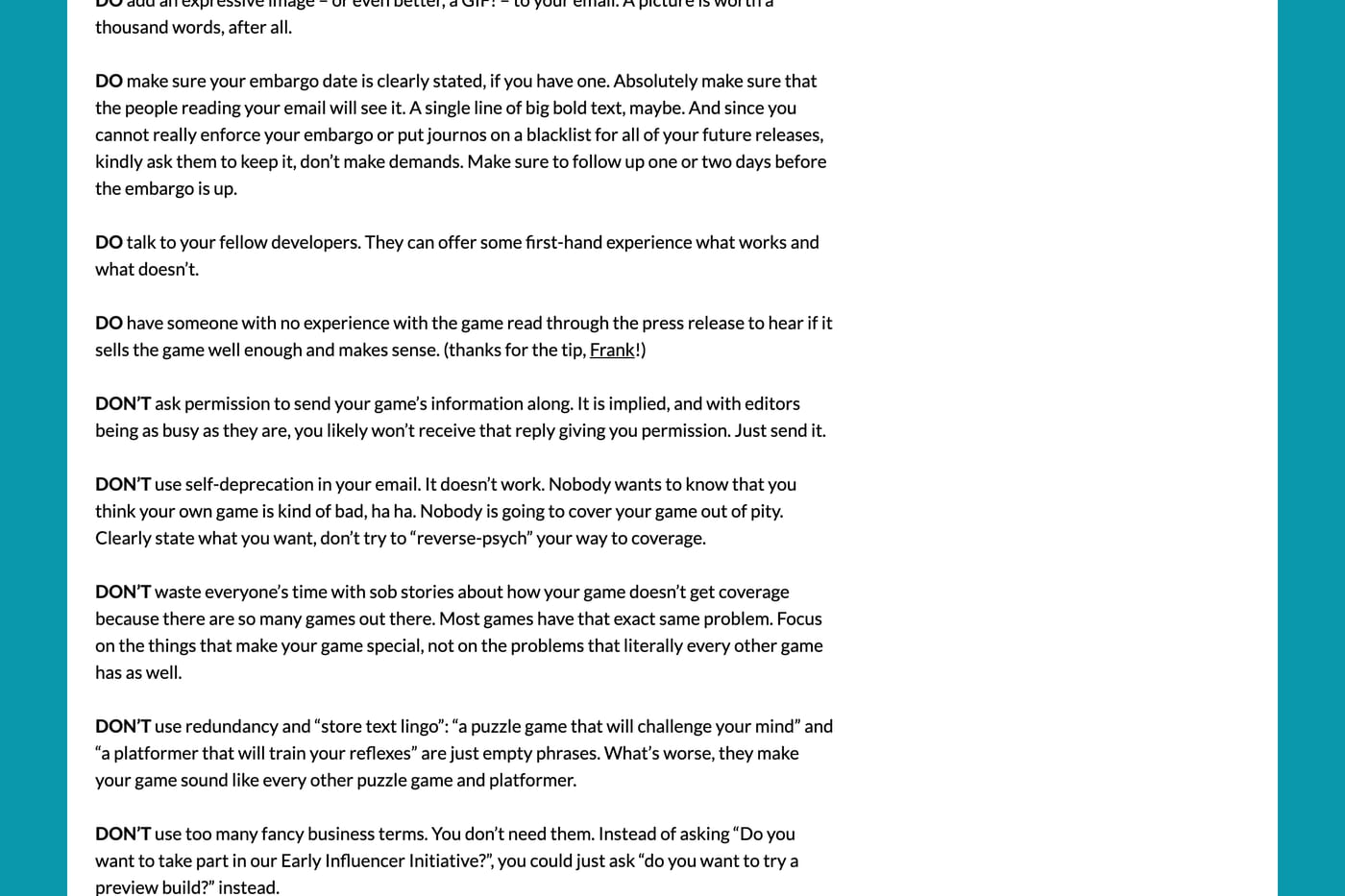
- State the embargo date, time and time zone in the subject line or first line of the email. Faust: "make sure your embargo date is clearly stated."
- Send review keys well before it. Shankar described a big release whose codes went out on a Friday for a Tuesday embargo, which left reviewers a few days for a roughly 20-hour game.
- Follow up "one or two days before the embargo is up," per IndieGamesPlus.
- Match the embargo to your Steam plan. If reviews go live at launch, make sure your store page and launch checklist are ready for that traffic.
Exclusives and premieres
An exclusive gives one outlet the first look, usually a trailer, for a set window. Zukowski's IGN guide describes how Vicarious PR secured an IGN exclusive for Blight: Survival; other sites could not host the trailer until the day after. The Riftbreaker ran a 24-hour exclusive with PC Gamer. Paranormal Tales' marketer gave IGN permission to use and edit the trailer without asking, which makes yes easier.
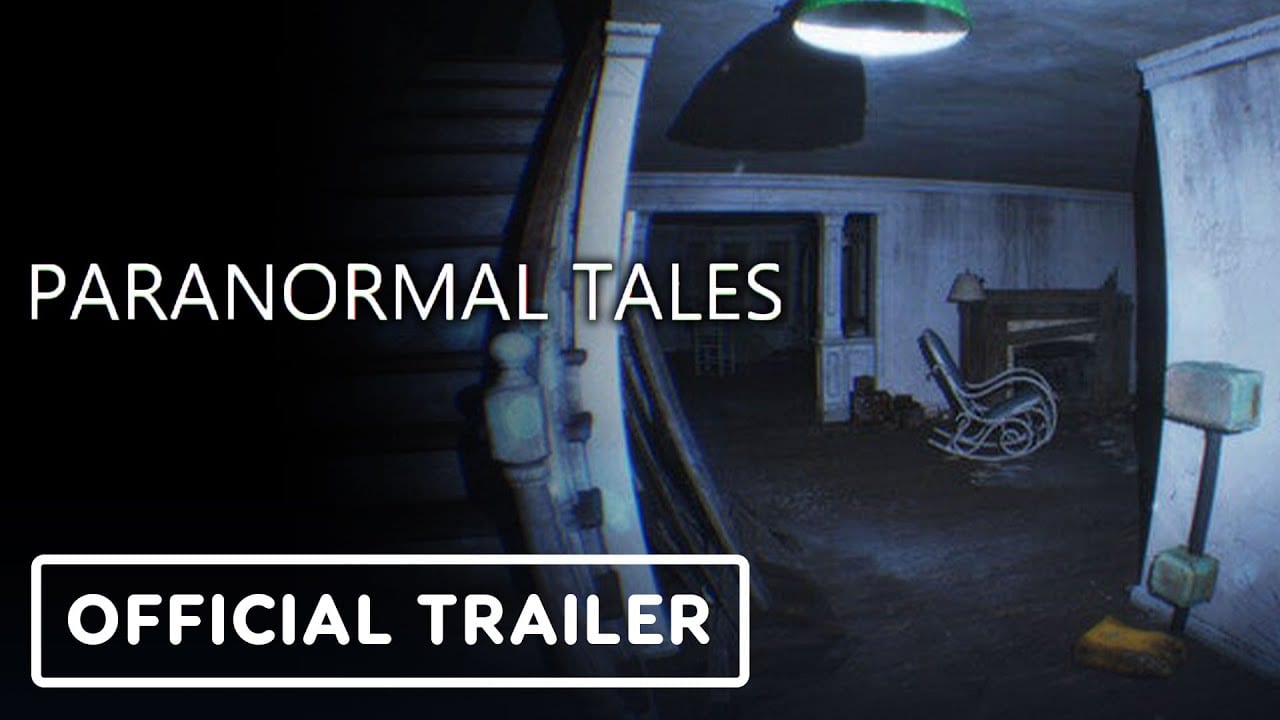
Paranormal Tales followed the same path. Its announce tweet got 3,740 likes and 821 retweets, and the IGN-hosted trailer that followed passed 400K views, per How To Market A Game. The viral post came first, and the premiere followed.
Showcases are the other way to get a premiere. GameDiscoverCo measured a median of 56,068 extra wishlists in five days for games in Summer Game Fest 2025, but those slots are hard to get. Our guide on getting into game showcases covers the application side.
Step 5: Keys and builds
Valve's Steamworks keys documentation says Release State Override keys "are intended for small beta tests and press/influencer access," generally limited to 2,500 in total. The same page warns about "fraudsters impersonating journalists or storefronts to acquire keys."
Practical rules from the sources:
- Big, known outlets: Faust says "definitely add a Steam key right away."
- Small or unknown sites: "Offer them a key instead of sending one over right away," then check the outlet is real before sending.
- Never require downloads from locked zip files or cloud drives. Yohann Miniere's tips on Game Developer put it simply: "Every second and every click counts."
For tracking who got which key and spotting resellers, see our guide on game key distribution.
Step 6: Follow up, then let it go
Silence is normal. Faust notes that many editors only reply after they've covered the game, if at all.
- Wait a few business days. Denby says at least three days; Shankar says a few business days.
- Follow up once, maybe twice. Faust: "once or maybe twice," because more "feels more like harassment."
- Reply in the same thread so the writer sees the original pitch.
- Add something new if you can: a demo date, a new trailer, a milestone.
- No guilt. Shankar warns against passive-aggressive wording. Lines like "moving this to the top of your inbox" read that way.
Timing within the day matters too. Shankar notes that West Coast pitches landing at 7pm his time often get buried under the next day's inbox.
What journalists say they want
| Journalist | Outlet or role | What they ask for |
|---|---|---|
| Kate Gray | Writer for Kotaku, RPS, NintendoLife | Short subject lines, "X meets Y" comparisons, layered key art without the logo, correct spelling (source) |
| Katya Ryabova | Playing This Week newsletter | Specifics about setting and mechanics, a distinctive subject line, no "I hope this email finds you well" (source) |
| Bradly Shankar | Gaming Editor, MobileSyrup | Short emails, a direct ask, clearly stated embargoes with long lead times (source) |
| Dean Takahashi | GamesBeat | A story explainable in 15 seconds, the human angle; "You can pitch me directly if you wish" (source) |
| Lewis Denby | Former journalist, PR consultant | A real news angle, all assets in the first email, no hunting for keys (source) |
Ryabova's May 2026 post is a good reminder of inbox reality. She says she deletes "a couple of dozen per day" and estimates larger outlets get about a hundred. A genre string like "a roguelike deckbuilding something something" is, in her words, what prompts deletion.
Where press fits next to creators
If you only have time for one outreach channel, the data above suggests press alone is a weak bet for wishlists. DREADMOOR's case study shows the mix: an IGN preview landed in a 13,000-wishlist week alongside short-form videos, while a single unprompted Indie Games Hub upload was tied to 17,000 wishlists in a week.
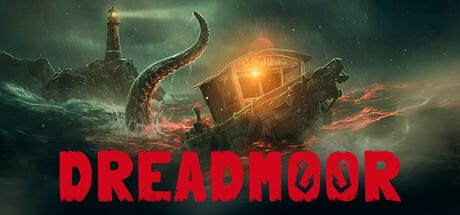
Escape Simulator is the reverse proof: "The press never covered them," per How To Market A Game, and it still sold about 400,000 copies, mostly through Steam's own promotion.

So run press and creator outreach in parallel. The same rules apply to both: target people who already cover your genre, keep it short, and make access easy. Our guide to influencer marketing for indie games covers the creator side, including paid short-form campaigns if you want guaranteed views rather than hoping for a reply.
FAQ
How do I email game journalists?
Find the individual writer who covered games like yours, then send a short email with the game name and hook in the subject, one line on why you chose them, a direct ask, and links to your Steam page, trailer and press kit. Follow up once or twice after a few business days.
How far before launch should I contact press?
Start general publicity about six months out, per former journalist Lewis Denby. For reviews, send builds at least three weeks before the embargo; in Big Games Machine's 2024 survey, 67% of journalists wanted review copies three weeks or more ahead.
Does press coverage increase Steam wishlists?
Sometimes, but usually less than developers hope. The Riftbreaker saw "minimal wishlist gains" from 2019 press, and Mortal Glory got about 50 sales from a big site, while IGN trailer premieres for games with existing momentum drew millions of views.
Should I send a Steam key in the first email?
To established outlets, yes. To small or unknown sites, offer a key and verify the outlet first, since Valve warns about scammers impersonating journalists.
What is an embargo in game PR?
It's a date and time before which a writer agrees not to publish. You can't enforce it, so state it clearly, ask politely, and remind writers a day or two before it lifts.
Should I hire a PR agency?
Only if the budget fits. Dean Takahashi cites $5,000 to $20,000 or more a month for good PR, and Zukowski notes PR firms can't force coverage. Many indies get better returns doing targeted outreach themselves.
Do press releases still work for indie games?
Not on their own. Mortal Glory's developer reported no effect from posting releases on wire sites. A personal pitch with the release linked works better.
Sources: GameDiscoverCo; How To Market A Game; Game Developer (Big Games Machine survey, Lewis Denby, Simon Carless with Kate Gray, Shannon Drake, Yohann Miniere, GDC podcast); Big Games Machine; IndieGamesPlus; GamesBeat; Freaking Cool Indies; Playing This Week; Punchboard; Game World Observer; Kakuchopurei; Steamworks documentation; checked November 2026.
Get a wishlist forecast for your game
Send us your Steam page. We estimate views, creators and cost per wishlist before you spend anything.
Keep reading
Twitter for Game Developers: Is X Still Worth It in 2026?
Is X still worth it for indie devs? Link penalty facts, Bluesky…
How to Market a Strategy Game: 4X, RTS and City Builders
How to market a strategy game on Steam: who buys it, demos…
Instagram Reels for Game Developers: Ranking, Formats, Steam Links
How Instagram ranks Reels, which game formats work, how to send viewers…