Game Marketing Hook: How to Find, Test and Show Yours
What a game marketing hook is, how to test one cheaply with GIFs and short videos, and real indie examples with the wishlists and sales they drove.
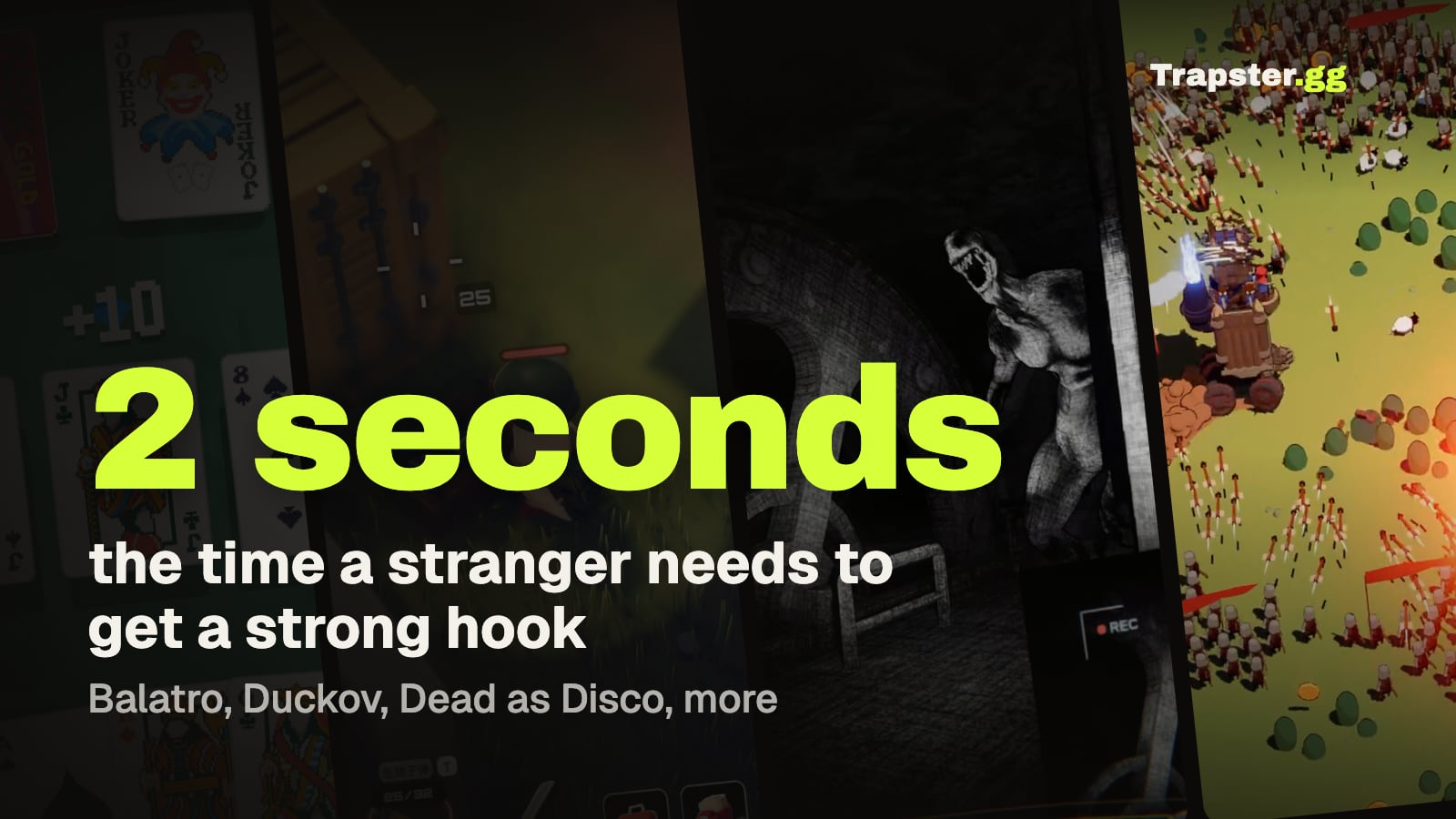
Short answer: A game marketing hook is the one thing that makes your game different from everything else in its genre, said in a sentence a stranger understands in about two seconds. Chris Zukowski puts it simply: "A hook is what distinguishes your game from the rest" (How To Market A Game), and Simon Carless calls the best ones "instant hooks" that pass a two second reaction test (GameDiscoverCo). You test a hook cheaply by posting short GIFs and vertical videos and watching which ones people share, before you spend money on a trailer or capsule (How To Market A Game). Once you have one, it should lead your Steam capsule and short description and open every trailer and short video.
What a hook is (and what it is not)
Chris Zukowski (How To Market A Game). A hook is what separates your game from the rest of its field. His examples are short: Superhot is "an FPS where time moves when you move," This War of Mine is "not everyone is a soldier," and Untitled Goose Game is "you are a goose" (Know your game's anchor). In a later post he describes the hook as "the razor-thin edge that pushes the boundaries on what players find acceptable," and warns that stacking several hooks can push a game past what players will accept (How to make your game acceptable).
Simon Carless (GameDiscoverCo). Carless splits it in two. The "instant hook" is the premise people get in a couple of seconds, like the children's book title Dragons Love Tacos, which pairs two things you never see together. The "delayed hook" is the depth that shows up after some play time, which he credits to games like Noita. He also warns that too much novelty and absurdity can make people think the game lacks depth (What Dragons Love Tacos taught me).
David Logan (Game Developer). "The Hook is the novel, the new, and the innovative," and it can be a mechanic, an art style or a story. His example is Shadow of Mordor: the Nemesis System is the hook, while the combat borrowed from Assassin's Creed and the Arkham games is the familiar part (Indie Insights: Hooks and Anchors).
All three pair the hook with an anchor: the familiar genre or mechanic that tells a shopper what kind of game this is. Zukowski's most quoted line on this is the one to remember: "The hook gets them to your store page but the anchor is what makes them push the buy button." In his research, "People rarely cite the hook as the reason why they bought the game or wishlisted it." They said they liked the genre, or a friend recommended it (How To Market A Game).
So a hook is not a feature list or "beautiful hand drawn art" on its own. It is the specific twist on a genre people already like.
| Hook | Anchor | |
|---|---|---|
| Job | Stops the scroll, earns the click | Tells the shopper what they are buying |
| Example (Balatro) | Poker hands as the combat system | Roguelike deckbuilder |
| Example (Escape from Duckov) | Everyone is a duck | Single player PvE extraction shooter |
| Where it lives | First second of a video, capsule art, first line of the short description | Tags, genre words, the trailer's opening shots |
| Risk if overdone | Reads as a joke with no depth | Reads as a clone of a bigger game |
What makes a game marketable
When people search "what makes a game marketable," the honest answer from the sources above is a strong hook on top of an anchor in a genre with buyers. You need both. A hook in a genre nobody plays gets curious clicks and few wishlists. A perfect anchor with no hook looks like the 40th game of its type that week.
Bramble Royale: A Meteorfall Story is the clearest recent case of the second problem. It was a well reviewed roguelike deckbuilder, but it had 4,117 wishlists the day before its March 2025 launch and grossed $8,049 from 703 units in week one. The developer's own verdict, quoted by GameDiscoverCo: "The game lacked a marketable hook" (GameDiscoverCo).
A quick self check before you market anything:
- Can you say it in one sentence with a genre word in it? "A roguelike claw machine deckbuilder" works. "A heartfelt journey of discovery" does not.
- Does it describe something you can see? If the hook only exists in a design document, nobody can show it in a GIF.
- Would a fan of the genre still recognize their genre? If not, your hook ate your anchor.
- Is there a reason to keep playing after the joke lands? That is the delayed hook.
The team behind How Many Dudes went further and picked the hook before the gameplay. GameDiscoverCo describes it as a "hook-first" project built on the old internet argument about whether 100 men could beat a gorilla (GameDiscoverCo). If you are still in preproduction, that order is worth copying.
Real examples: hooks and what they did
These are recent indie games where the one line premise did visible work. Numbers come from the linked sources; where a number is the developer's own report, it says so.
| Game | The hook in one line | Public outcome |
|---|---|---|
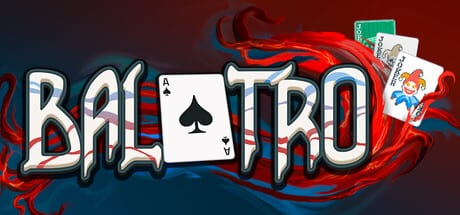
| Balatro (2024) | "The poker roguelike" (the first words of its Steam description) | 1 million units across PC and console in under a month (GameDiscoverCo, Game Informer) |
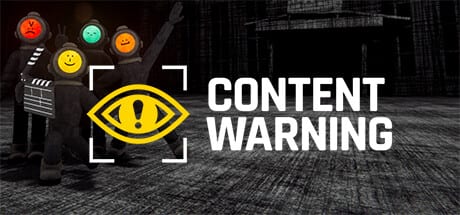
| Content Warning (2024) | "Film your friends doing scary things to become SpöökTube famous" | 6.2 million free claims in its first 24 hours, then 1 million paid copies in about two weeks (Game Developer) |
| A Game About Digging A Hole (2025) | The title is the whole pitch | 250,000 Steam copies in its first week (publisher press release), 1 million sales reported in August 2025 (PCGamesN) |
| Escape from Duckov (2025) | An extraction shooter where everyone is a duck | About 200,000 copies in 24 hours and over 1 million in five days (Insider Gaming) |
| Dungeon Clawler (2024 Early Access) | "A Roguelike Claw Machine Deckbuilder" | 165,000 Steam units plus 80,000 mobile from its November 2024 Early Access launch to late January 2025, per GameDiscoverCo (GameDiscoverCo) |
| Dead as Disco (demo, 2025) | Beat 'em up where you fight to any song you load | From under 50,000 to over 250,000 wishlists in less than a month (GameDiscoverCo) |
| Wanderburg (reveal, 2025) | You drive a castle on wheels that devours villages and crushes other strongholds | Nearly 150,000 wishlist additions from two trailer versions and Steam events, per GameDiscoverCo (GameDiscoverCo) |
| How Many Dudes (demo, 2025) | Could 100 guys beat a gorilla? You are the mob | From 6,400 wishlists at the end of November 2025 to more than 100,000 added in about a month after its December demo (GameDiscoverCo) |
A few patterns stand out:
- Two familiar things, one unfamiliar pairing. Poker plus roguelike, or a claw machine plus a deckbuilder. Each is two nouns a stranger already understands, and the surprise is that they are together. That is Carless's Dragons Love Tacos test in practice. GameDiscoverCo called Dungeon Clawler's upfront "X meets Y" pitch incredibly strong for this reason.
- The hook is visible in one frame. A castle on wheels crushing a village needs no voiceover.
- Short descriptions say it first. Look at the Steam short descriptions: "The poker roguelike." "It's a lovely morning in the village and you are a horrible goose." (Untitled Goose Game). Neither opens with the studio name or the story's backstory.
How to test a hook cheaply
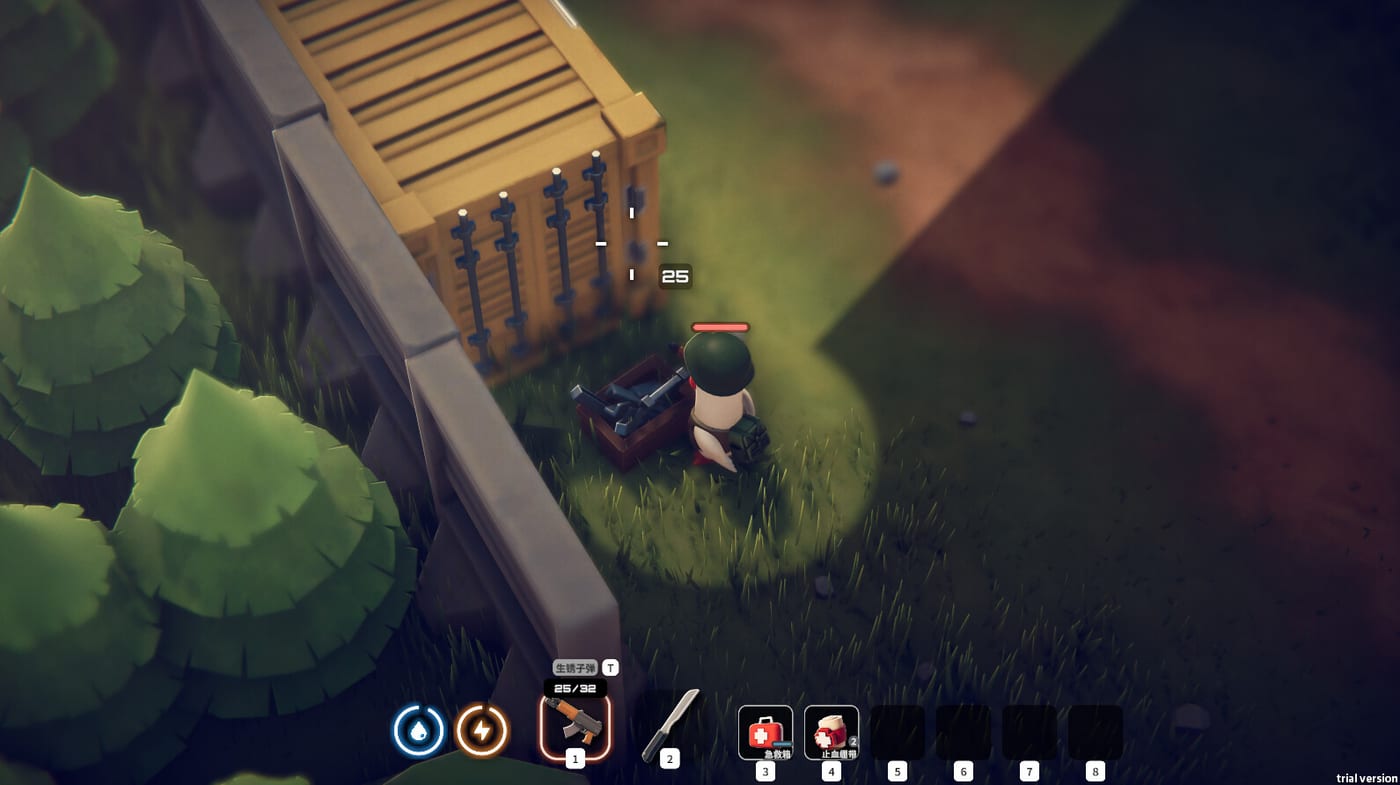
You do not need a finished trailer to find out whether a hook works. You need footage of the hook and a few places to post it.
1. Write five one liners, then cut to two
Write the pitch five different ways, each built on a different candidate hook. Show them to people who play your genre, with no context and no art. Ask them to repeat the game back to you. If they cannot, the line is too clever. Keep the two that people repeat correctly and seem to want to hear more about.
2. Make a GIF or 10 second clip for each
Each clip should show the hook in the first second, with no menus, logos or setup. Zukowski's interview with the developer of I Just Want to be Single!! put the window bluntly: you have "1 second to hook people" on TikTok, and "No Tiktok video should ever require context" (How To Market A Game).
3. Post on lenient channels first, restrictive ones second
Zukowski's method is to "beta test your marketing": post often on channels that tolerate frequent posting (he names Twitter and TikTok), find the GIF and headline pair that gets traction, then reuse only the proven winner on stricter channels like Reddit and Imgur, and in your trailer (Beta test your marketing).
Example: Zukowski's own case study is Neon Cyber Desert. A GIF of a playtesting accident got 308 retweets and 2,260 likes before the game had a Steam page. A month later the same GIF, with almost the same headline, became one of Imgur's most viral posts and drove about 400 wishlists. In the same post he notes a Screenshot Saturday tweet with 891 likes produced only about 25 wishlists, which is a reminder that likes alone are not the result you want (How To Market A Game).
4. Measure wishlists, not just views
Once your Steam page is live, put a tracked link on every test so you can see which clip sent the wishlists. Views tell you a hook stops the scroll. Wishlists tell you the anchor behind it closed the deal.
Example: The I Just Want to be Single!! developer reported going from 3,000 to 6,000 wishlists after a run of TikToks. One video of the main menu passed 571,000 views and drove over 2,900 wishlists, figures from Zukowski's interview with the developer (How To Market A Game).
5. Test the capsule and the line together
Your capsule and short description are a hook test that runs every time someone scrolls a Steam list. Before you commission final art, mock up two or three capsule sketches, each built around a different hook, and show them at small size next to real capsules from your genre. Ask which one people would click and what they think the game is. If the answer to the second question is wrong, the art is not carrying the hook. Our capsule art guide covers sizes and Valve's rules.
6. Let a demo test the delayed hook
GIFs only test the instant hook. A demo tests whether the game holds people after the joke lands. Balatro's developer said of the hook, "you never really know until players get it into their hands," and he said he used one hour retention as a rubric for the hook, a number that improved after the first public demo (GameDiscoverCo). Guildrun's 2026 demo is another example: its autochess plus roguelike mash drew over 275,000 demo players in about 10 days with a median playtime of 3 hours 55 minutes, and GameDiscoverCo's Simon Carless wrote that short-form video was not a big driver of interest (GameDiscoverCo). A hook can spread through play as well as clips. See our demo marketing guide for how to set one up.
Where the hook shows up
Once you have a hook that tests well, it has to appear in the same form everywhere a new person meets your game. Most failures here are not bad hooks. They are good hooks that show up too late.
The Steam capsule and short description
Valve's own rule for the header capsule is that the art "should immediately tell the customer something important about the game," with no quotes or text beyond the title (Steamworks: Graphical Assets). For most indie games the important thing is the hook, drawn so a shopper can read it at thumbnail size, like a castle on wheels.
The short description is where you state hook and anchor in words. Shoppers skim it to learn the genre and what they actually do in the game, so lead with that, not lore.
The first seconds of the trailer
Trailer editor Derek Lieu, quoted by GameDiscoverCo, recommends the order Genre, Hook, Content: show what kind of game it is, then why it is different, then how much there is. He says many trailers spend too long on what the game shares with others, which makes them "really boring to watch." His examples include Ooblets, where the first thing you harvest is a creature rather than a plant, and Nobody Saves the World, where the first two shots set the genre and the third shows the form changing hook (GameDiscoverCo).
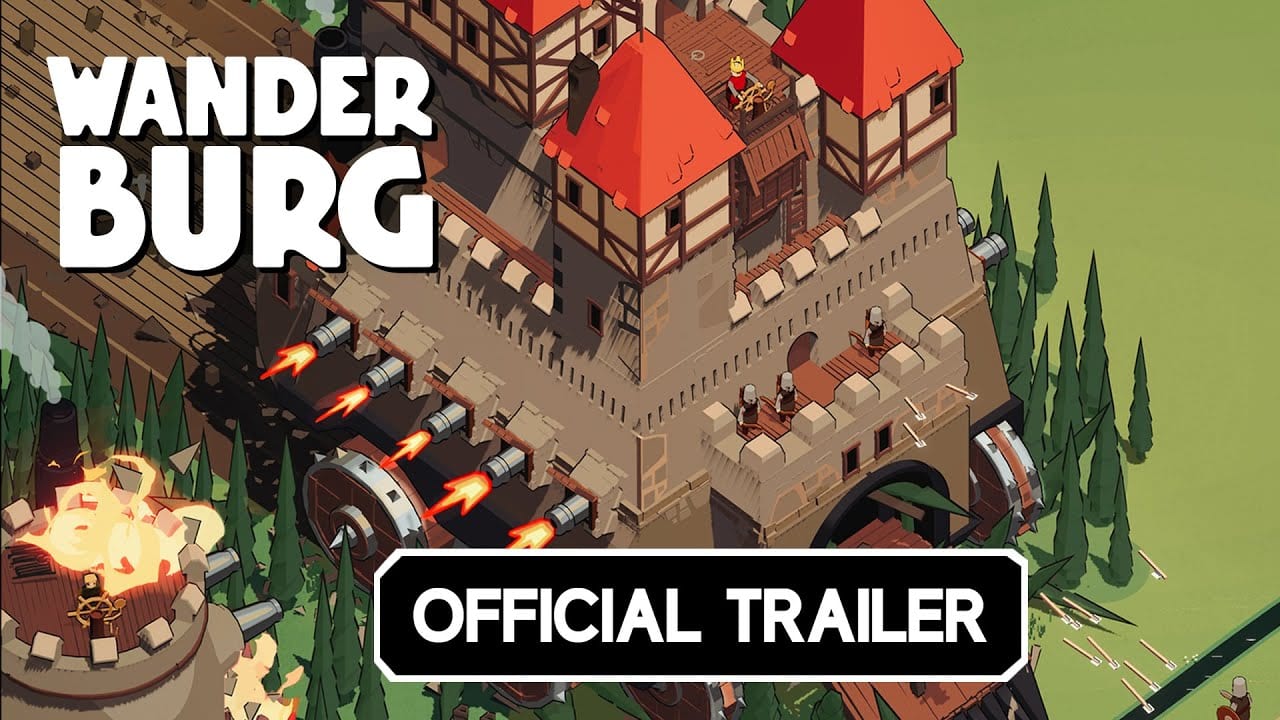
Example: Wanderburg's pitch, a castle on wheels that devours what it rolls over, is visual by nature, and Randwerk built its reveal trailer on it. Johannes Knop of Randwerk told GameDiscoverCo the two trailers drew 460,000 and 220,000 views, and GameDiscoverCo reports nearly 150,000 wishlist additions from the trailers and Steam events, driven by organic sharing rather than paid promotion (GameDiscoverCo). More in our trailer guide.
The first second of short videos
TikTok's own ad guidance says to "Introduce your content proposition in the first 3 seconds" and "Prioritize your hook in the first 6 seconds" (TikTok Ads Help). For organic game clips, the I Just Want to be Single!! developer's one second rule is the stricter and safer target. Practical rules that follow:
- Open on the hook happening, not on your logo.
- Put the one liner on screen as text, so the clip works with sound off.
- Frame it as a question when you can: "Could 100 guys beat a gorilla?" invites a comment.
- Cut every second that is not the hook or its payoff.
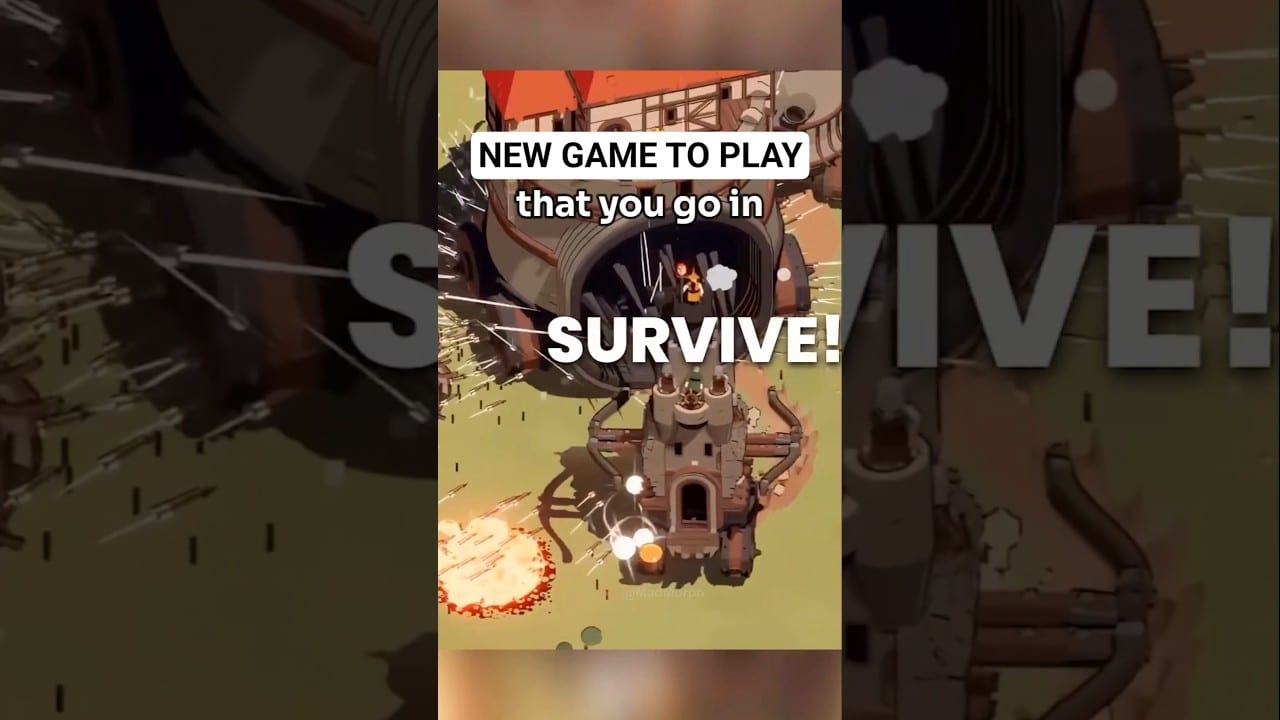
The clearest proof that the short video opening is a hook test is when someone else recuts your footage and it does better. YouTuber MadMorph recut Wanderburg into a Short titled "Play as a castle on legs (that EATS OTHER CASTLES)," which GameDiscoverCo used as an example of a recut that puts the hook first (GameDiscoverCo). How Many Dudes had a similar moment: one November Short reached 941,000 views in its first week and drove over 2,000 wishlists (GameDiscoverCo).
When other people show your hook for you
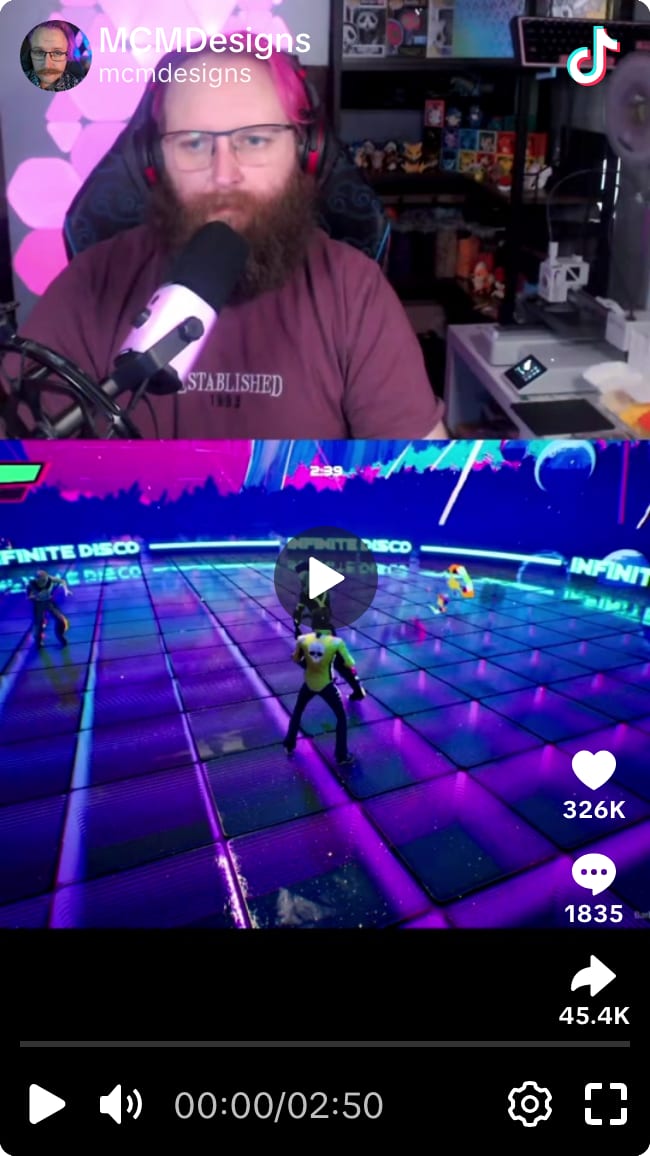
Dead as Disco is the strongest recent case of a hook built to be shown by players. The demo let you import any song to fight to, and 87% of demo players did. A TikTok by @moxierhythm, a creator with under 1,000 followers, fighting to Hatsune Miku songs passed 2 million plays. Ten viral creator posts together passed 17 million plays, and wishlists went from under 50,000 to over 250,000 in less than a month (GameDiscoverCo). The hook made every clip different, so every clip was worth posting.
If you plan to pay creators to post about your game, the hook is what they will lead with, so give it to them in one sentence and one clip. We wrote about how those views turn into wishlists in creator views to Steam wishlists.
Common hook mistakes
- The hook is the setting. "A cyberpunk city" or "a post apocalyptic world" describes a backdrop, not a twist. Ask what the player does there that no other game lets them do.
- The hook needs a tutorial. If a viewer needs 30 seconds of explanation, it fails the two second test. Find the moment where it explains itself.
- Too many hooks. Zukowski's warning: each extra unusual element makes the game harder to accept. If your hook makes the game strange, keep the rest familiar (How To Market A Game).
- A joke with no depth. Carless's point about delayed hooks applies here. A meme premise can sell a $5 game, as A Game About Digging A Hole showed, but at higher prices players expect the depth to be there.
- Different hooks on different channels. If your capsule says horror and your trailer opens on crafting, nobody connects them. Pick one and repeat it.
If you are early and have no audience yet, finding the hook comes before almost anything else in marketing a game with no audience.
FAQ
What is a hook in game marketing?
It is the one feature or premise that makes your game different from others in its genre, short enough to say in a sentence. Chris Zukowski defines it as "what distinguishes your game from the rest."
What is the difference between a hook and an anchor?
The hook is the new part that gets attention. The anchor is the familiar genre or mechanic that tells players what they are buying. Zukowski's research found buyers usually cite the anchor, such as the genre, as their reason to buy.
How do I find my game's hook?
Write several one line pitches, each built on a different feature, and show them to genre fans with no context. Keep the one people can repeat back correctly, then test it with short GIFs or clips and compare shares and wishlists.
How long should a hook take to land in a video?
Aim for the first second in organic short videos. TikTok's own ad guidance asks for your proposition in the first 3 seconds and your hook in the first 6.
Can a game succeed without a strong hook?
It can, through word of mouth or a very strong genre fit, but it is harder. Bramble Royale's developer blamed a weak launch of 703 units in week one on the fact that the game "lacked a marketable hook."
Should the hook be in my Steam capsule?
Yes. Valve says capsule art should immediately tell the customer something important about the game, and for most indie games the most important thing is the hook.
Sources: How To Market A Game: Know your game's anchor, How to make your game acceptable, Beta test your marketing, Seven tips for TikTok; GameDiscoverCo on instant and delayed hooks, trailer hooks, Balatro, Dead as Disco, Wanderburg, How Many Dudes, Dungeon Clawler, Guildrun, Bramble Royale; Game Developer: Hooks and Anchors; Steamworks: Graphical Assets; TikTok Ads: Creative best practices; checked November 2026.
Get a wishlist forecast for your game
Send us your Steam page. We estimate views, creators and cost per wishlist before you spend anything.
Keep reading
How Many Copies Do Indie Games Sell? Real Steam Numbers by Tier
Most Steam indie games sell under 1,000 copies. Real numbers by tier…
How to Name Your Game: Searchable, Memorable and Legally Safe
How to name your game: pass the Steam, Google and trademark checks…
How to Get Your Game Into a Showcase (2027 Guide)
How to get your game into Wholesome Direct, Day of the Devs…