How to Market a Puzzle Game on Steam: Hooks, Demos and Cases
How to market a puzzle game on Steam: the 3 second aha clip, demos, pricing short games, and puzzle events, with real cases like Blue Prince and Baba Is You.
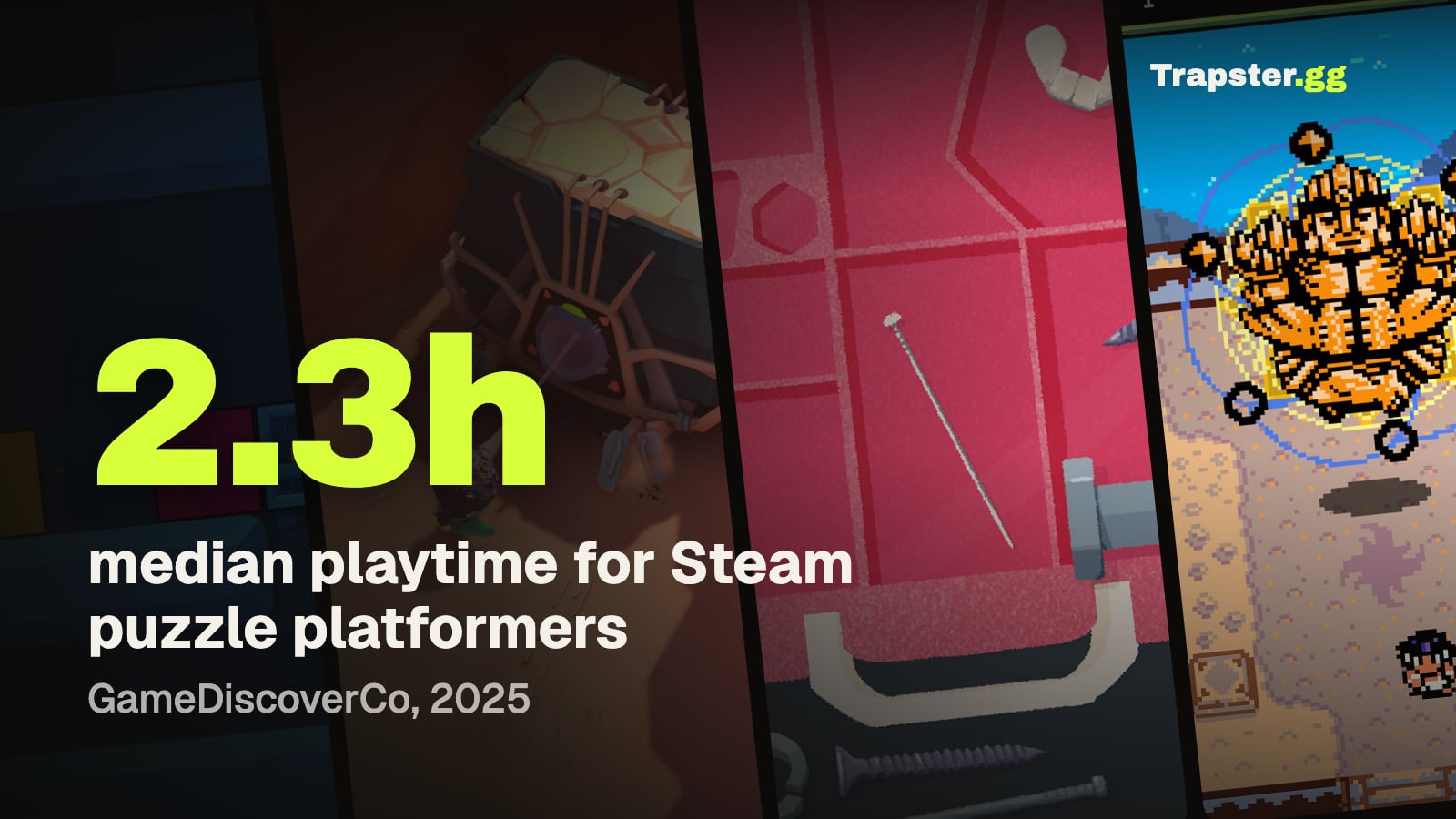
Short answer: To market a puzzle game on Steam, sell the "aha" moment, not the puzzle count. Puzzle games are a crowded, low-playtime genre (GameDiscoverCo puts Puzzle Platformer near the bottom of Steam genres at a 2.3 hour median lifetime playtime), so you need a 3 second clip that makes a viewer think "wait, how does that work?", a free demo that holds the best early rules, and a price that fits a short game. Then plug into the events the puzzle audience already follows, like Steam Next Fest and the Cerebral Puzzle Showcase. Games like The Roottrees are Dead and A Little to the Left show the ceiling is high when the hook is instantly readable.
Why puzzle games are hard to sell on Steam
Puzzle games have three problems that most other genres don't have at the same time.
Supply is high and demand is narrow. Chris Zukowski's 2022 analysis of Steam genres found that indie developers keep making genres that "don't do that well on Steam", and he named puzzle games in that group alongside platformers (How To Market A Game). Puzzles are cheap to prototype, so a lot of them ship. The audience that actively hunts for new puzzle games is loyal but small.
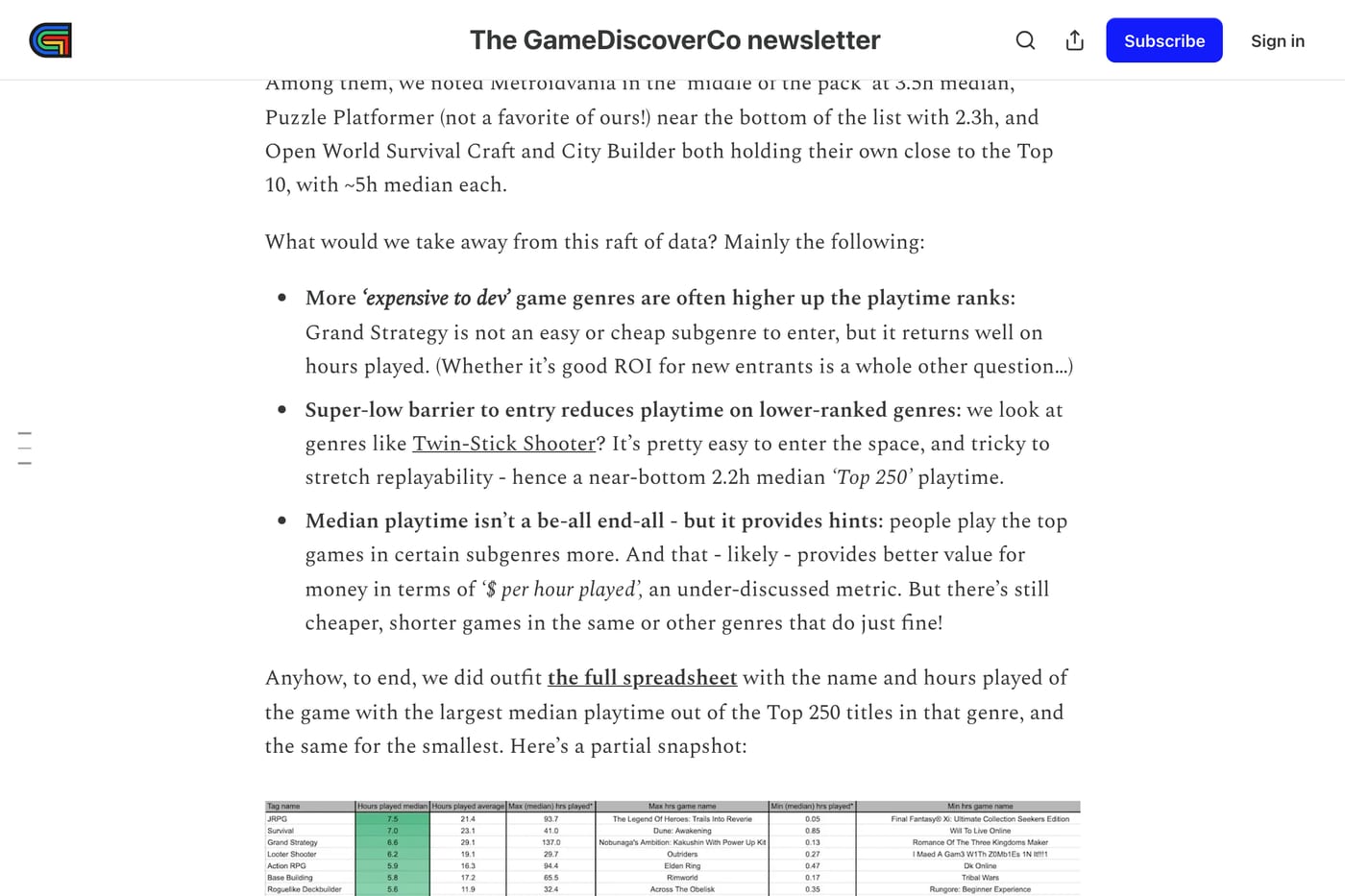
Playtime is short. GameDiscoverCo's August 2025 look at median lifetime playtime by Steam genre tag, based on the 250 most-played games in each tag, put Puzzle Platformer "near the bottom of the list with 2.3h", against 7.5 hours for JRPGs (GameDiscoverCo). Short playtime limits what players will pay, and it collides with Steam's refund rule: players can refund any game within 14 days if they played less than two hours (Steam Refunds).
The fun is hard to show. A shooter sells itself in a GIF. A puzzle game's best moment is a realization inside the player's head, and a trailer full of block pushing looks like homework. Most weak puzzle trailers fail at exactly this: the realization never makes it onto the screen.
None of this means puzzle games can't sell. A Little to the Left passed 500,000 copies in six months and hit 999,999 copies one year after launch. It means the marketing has to do more work per view than it would for a survival game.
Show the puzzle in 3 seconds: the "aha" clip
Short-form viewers decide almost instantly. A guide on How To Market A Game puts it bluntly: "You have 1 second to hook people", and suggests challenge hooks like "can you beat this challenge?" (How To Market A Game). For a puzzle game, that challenge hook is native. You are literally asking the viewer to solve something.
The clip that works is almost always one rule, shown once, with a twist:
- Open on the board, already moving. No logo, no title card. The first frame should be the puzzle.
- Show the rule in one action. One push, one swap, one word changed. The viewer has to understand the mechanic without text.
- Break their expectation. The box contains itself. The orb holds a whole world. The "rule" text gets pushed and the wall stops being a wall.
- Stop before the solution or end on the payoff. "Can you see the solve?" works as a caption, and the comments do the rest.
Patrick's Parabox is the textbook case. Its whole pitch is a box you can walk into, which contains a full level, which can contain itself. Patrick Traynor told Game Developer that the smooth shrink and grow animation when entering boxes was "a nightmare" to program but "makes it easier to understand the core system" (Game Developer). That animation is also the marketing: anyone can read it in a second.
Cocoon works the same way. Its core idea, carrying whole worlds inside orbs and placing orbs inside other worlds, is visible in one shot. Designer Jeppe Carlsen told Game Developer that everything from jumping in and out of worlds to bringing orbs into other worlds "is all left for the player to discover" (Game Developer). No tutorial text means no tutorial text in the trailer either.
A practical test: mute your clip, show it to someone who has never seen the game, and ask them to describe the rule. If they can't in one sentence, cut more. Our guide to finding your game's marketing hook goes deeper on writing that sentence.
Demos: let the puzzle sell itself
For most genres a demo is a nice extra. For puzzle games it is often the main marketing asset, because the "aha" is something players need to feel, not watch.
Steam treats a demo as a separate App ID tied to your game. You can give it its own store page where players can leave reviews, and Steam links that page back to the full game for wishlisting. When the demo first goes live you can trigger wishlist notification emails, an option that stays available for two weeks after launch (Steamworks: Demos).
What we see working for puzzle demos:
- Ship the opening, not a slice. Puzzle games teach rules in order. A mid-game slice breaks the teaching curve and makes the game feel unfair.
- End on a rule the player hasn't mastered. The best demos stop right after introducing a new mechanic, so the player leaves wanting the next ten levels.
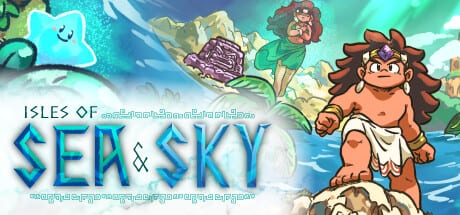
- Keep it public for a long time. Isles of Sea and Sky, released in May 2024, ran a public demo under its old name Akurra for years, updating it repeatedly (v4.0 demo update, July 2022). A community member was even scheduled to do a 100% speedrun of the demo at the Games Done Quick Frost Fatales charity event in 2022 (Steam post).
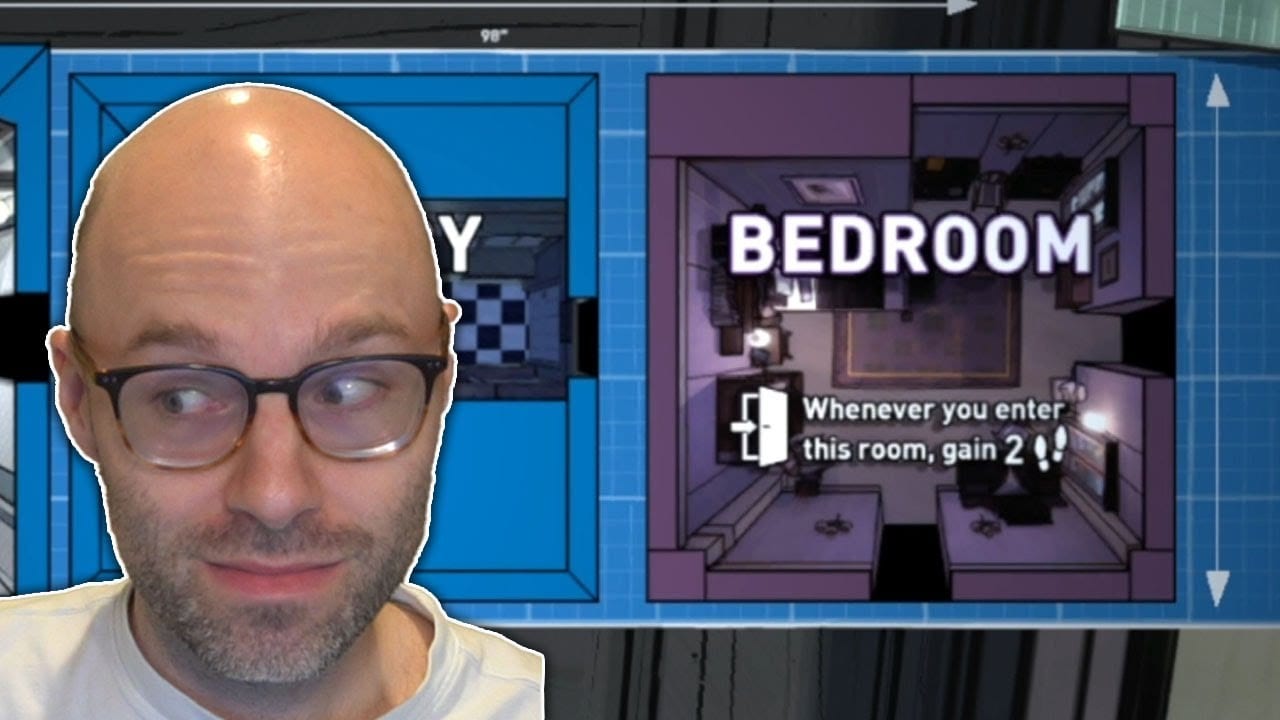
Blue Prince is the strongest recent example. Its demo went into Steam Next Fest in June 2024, paired with a gameplay trailer in the PC Game Show, after 8 years of development. The developer later thanked creators like Northernlion for covering the demo (Steam post), then brought the demo back during Gamescom week in August 2024 (Steam post) and again from late October 2024 until March 10, 2025, a month before the April 10 launch (Steam post). By September 2025, Raw Fury and Dogubomb said the game had passed 2 million players worldwide; it is also in the Game Pass and PlayStation Plus catalogs (VGChartz).
Note the hook in that creator video title: Northernlion framed it as a roguelite. Blue Prince is a puzzle game with room drafting and runs that reset each in-game day, and that blend gave it a way into the much bigger roguelite audience.
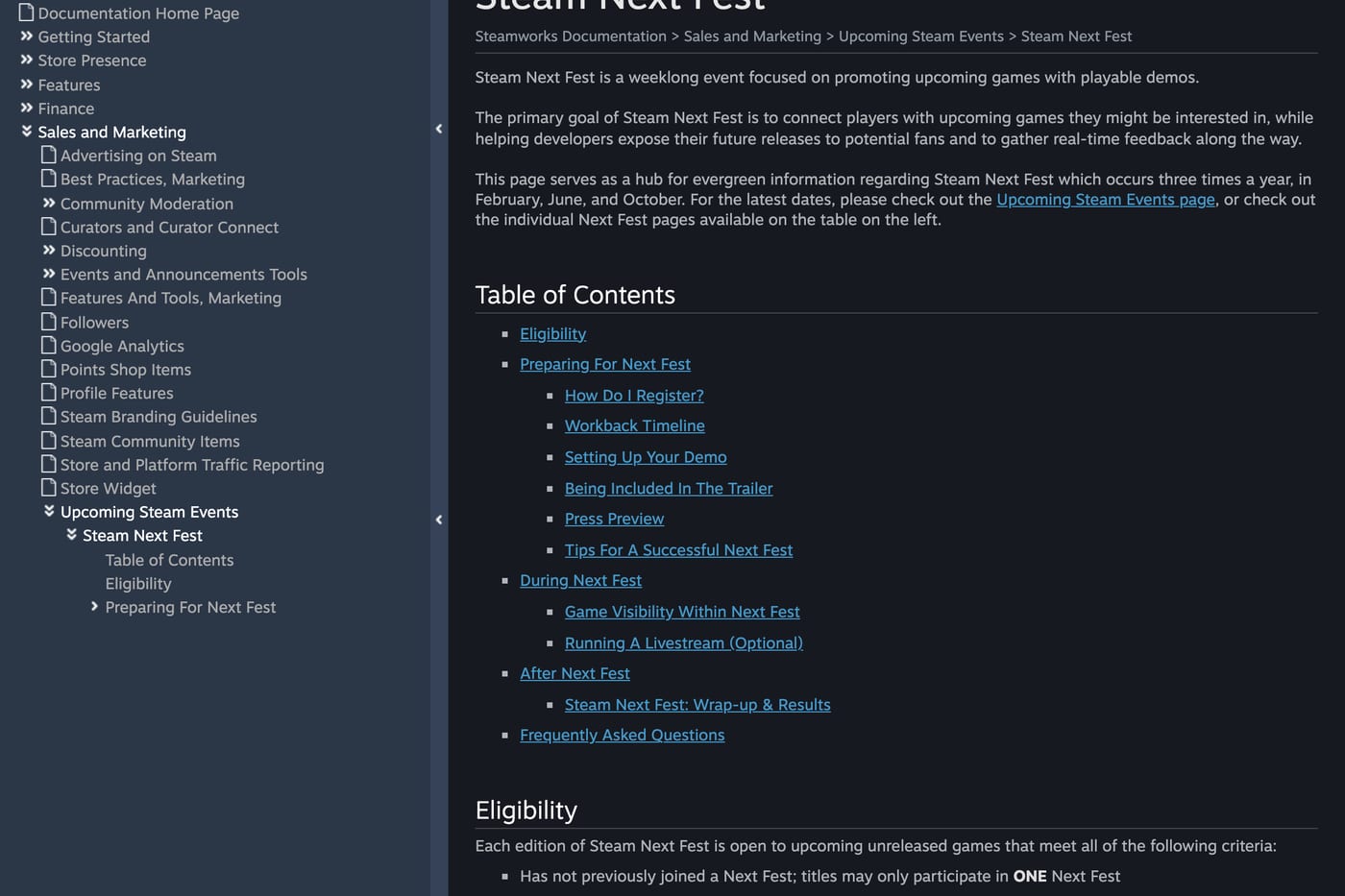
Next Fest runs three times a year, in February, June and October, and a game can only join once, so pick the edition where your demo is at its best (Steamworks: Next Fest). See our Steam demo marketing guide and Next Fest playbook for the timing.
When to skip the demo
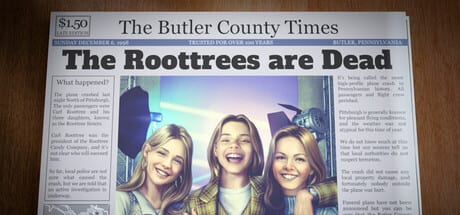
The Roottrees are Dead launched with no demo and no Next Fest. Developer Robin Ward said he was "the only programmer" and "didn't want to split my focus on making a demo" (How To Market A Game). It worked because the free browser version on itch.io already did the demo's job: people could play the original jam game for free, and word of mouth grew from there. If your game started as a free jam game, that original can serve as your demo.
Pricing a short puzzle game
Price is where short playtime bites hardest. GameDiscoverCo found the median price of the Top 50 new Steam games by copies sold fell from $19.50 in February 2023 to $15.64 in October 2025, a 20% drop, driven by cheap hits (GameDiscoverCo). Players now compare your game against a lot of strong $10 to $15 indies.
Here is where well-known puzzle games sit on Steam (US list prices, checked November 2026):
| Game | Steam release | US list price | What players get |
|---|---|---|---|
| Baba Is You | Mar 2019 | $14.99 | Large rule-based puzzle set |
| A Little to the Left | Nov 2022 | $14.99 | Tidy-up puzzles plus a Daily Tidy mode |
| Patrick's Parabox | Mar 2022 | $19.99 | Recursive box puzzles |
| The Roottrees are Dead | Jan 2025 | $19.99 | About 8 hours of mystery deduction |
| Cocoon | Sep 2023 | $24.99 | Puzzle adventure with worlds inside orbs |
| Islands of Insight | Feb 2024 | $29.99 | Shared-world open puzzle game |
Prices from each game's Steam store page.
Three practical rules for pricing a puzzle game:
- Price for the hours a median player gets, not your completionist count. If most players finish in four hours, a $25 price will draw comparisons with longer games.
- Watch the two hour refund line. If your first two hours feel like a tutorial, refunds will spike. Front-load the first real "aha".
- Use daily or replayable content to stretch value. A Little to the Left has a Daily Tidy mode, and players had played over 173 million Daily Tidy puzzles in six months, per Secret Mode.
Our indie game pricing guide has the full method.
Press, awards and festivals that favor puzzles
Puzzle games have something most genres lack: a dedicated ecosystem of events and outlets that love them. Use it.
Puzzle-specific Steam events. The Cerebral Puzzle Showcase is a recurring Steam event for puzzle games. In 2025 it ran alongside the Thinky Direct, an hour-long showcase of puzzle and problem-solving games, on May 29 (GamingOnLinux). Patrick Traynor joined it in 2022, calling it "a high-quality curation of puzzle games" (Steam post), and again in 2023 with 25% off (Steam post). Isles of Sea and Sky has taken part repeatedly, including 80% off in the May 2026 edition, and it also joined the narrower Box-Pushing Fest in April 2025. Even niche sub-genre events exist, so search before you assume there isn't one for you.
Design awards. Juries reward clever mechanics, and puzzle games collect awards out of proportion to their sales. Baba Is You won Excellence in Design and Best Student Game at the 2018 IGF a full year before its 2019 release (PC Gamer). Patrick's Parabox was an IGF 2020 Excellence in Design nominee two years before launch (Game Developer). Isles of Sea and Sky was announced as an IGF Excellence in Design finalist and won the Thinky Awards' Most Anticipated Game (Steam post) in the months before its launch. Each award gives you a laurel for the store page and a reason for press to write about you again.
Curated showcases and festivals. Blue Prince was an official selection of Tribeca Festival 2024. A Little to the Left joined the Yogscast Games Tiny Teams event and announced its release date with a new trailer at the Future Games Show at Gamescom, with a little help from the developers' cat, Rookie.
Press that covers puzzles. Mystery and deduction puzzlers get unusual press attention. For The Roottrees are Dead, Ward and an investor started contacting press about two weeks before launch, and his pitch to Jason Schreier used a personal subject line comparing it to The Case of the Golden Idol, a game the journalist had loved (How To Market A Game). Reference the puzzle game a writer already loves. See how to get press coverage for an indie game for templates.
Two cases worth studying closely
The Roottrees are Dead: free first, paid later
The Roottrees are Dead started as a free jam game on itch.io, which earned about $3,000 in tips in its first month. How To Market A Game reports that the Steam version, rebuilt with a second chapter, had about 8,000 wishlists before launch and over 13,000 at launch after it entered Steam's Popular Upcoming list. It launched at $19.99 on January 15, 2025, crossed 1,000 reviews within three weeks, and passed $1 million in revenue (How To Market A Game). Thirteen thousand wishlists is modest. What carried it was a niche that keeps asking for "more games like Obra Dinn" and a free version that let people prove the fun to each other.
Islands of Insight: when the pitch fights the audience
Islands of Insight, from Lunarch Studios and publisher Behaviour Interactive, did many things right on paper: an open Steam Playtest in September 2023, a Next Fest demo, and a February 2024 launch. But it was built as a shared online world. Three days after launch the team removed the "Online Co-op" tag from its store page because players said it set the wrong expectation (Steam post). In May 2024 it announced an offline mode because players "asked for an offline experience" (Steam post), which shipped that July (Steam post).
The lesson for puzzle studios: the core puzzle audience tends to want to think alone, at their own pace. If your game adds an online or social layer, test early whether it widens your audience or scares off the one you already have. Store tags are part of that promise, so pick them carefully.
A 90-day plan for a puzzle game launch
- Week 1 to 2: Write the one-sentence rule of your game. Record 10 muted clips of single "aha" moments, each under 10 seconds.
- Week 2 to 4: Post those clips on TikTok, Shorts and Reels with a "can you solve this?" caption. Keep the 2 or 3 that get comments with attempted solutions. Those become your trailer opening and capsule screenshots.
- Week 4 to 6: Build the demo from your opening levels. Stop it right after a new rule appears.
- Week 6 to 8: Submit to the IGF and puzzle-focused showcases, and register for the next Cerebral Puzzle Showcase and Next Fest.
- Week 8 to 10: Send your demo to creators who play puzzle and mystery games. Puzzle viewers love watching someone else get stuck, so creators whose audience enjoys "solve along" videos are a natural fit. Our guide to influencer marketing for indie games covers outreach and budgets.
- Week 10 to 12: Pitch press with a personal hook: name the puzzle game the writer already loved, and send a key.
- Launch and after: Join puzzle sales events every year. Isles of Sea and Sky still runs discounts in them two years after release.
FAQ
Are puzzle games profitable on Steam?
Some are very profitable, but the genre is crowded and short on playtime. A Little to the Left sold 999,999 copies in its first year and The Roottrees are Dead passed $1 million, while many puzzle games sell little.
What price should I set for a puzzle game?
Base it on median completion time, not total content. Many well-known puzzle indies sit between $14.99 and $19.99, and GameDiscoverCo found the median price of top-selling new Steam games fell to $15.64 by October 2025.
Should a puzzle game have a demo?
Usually yes, because players need to feel the "aha" rather than watch it. Exception: if a free jam version already exists, as with The Roottrees are Dead, it can do the demo's job.
How do you make a trailer for a puzzle game?
Open on gameplay, show one rule in one action, then break the viewer's expectation of that rule. Cut anything that needs text to explain.
What events are good for puzzle games?
Steam Next Fest, the Cerebral Puzzle Showcase on Steam (paired with the Thinky Direct in 2025), and design awards like the IGF. Narrow sub-genre Steam events such as Box-Pushing Fest also exist.
Does TikTok work for puzzle games?
It can, because "can you solve this?" is a natural hook. Keep clips short and muted-friendly, and show the rule in the first second.
Sources: GameDiscoverCo; How To Market A Game; Steamworks documentation (Demos, Steam Next Fest); Steam Refunds; Steam store pages and developer announcements for Patrick's Parabox, Blue Prince, Isles of Sea and Sky, A Little to the Left and Islands of Insight; Secret Mode; Game Developer; PC Gamer; VGChartz; GamingOnLinux; checked November 2026.
Get a wishlist forecast for your game
Send us your Steam page. We estimate views, creators and cost per wishlist before you spend anything.
Keep reading
Twitter for Game Developers: Is X Still Worth It in 2026?
Is X still worth it for indie devs? Link penalty facts, Bluesky…
How to Market a Strategy Game: 4X, RTS and City Builders
How to market a strategy game on Steam: who buys it, demos…
Instagram Reels for Game Developers: Ranking, Formats, Steam Links
How Instagram ranks Reels, which game formats work, how to send viewers…