Cross Promotion for Indie Games: 6 Ways Devs Help Each Other on Steam
How indie studios promote each other on Steam in 2026: cross-developer bundles, in-game links, joint sales, crossovers, and Valve's rules, with real results.
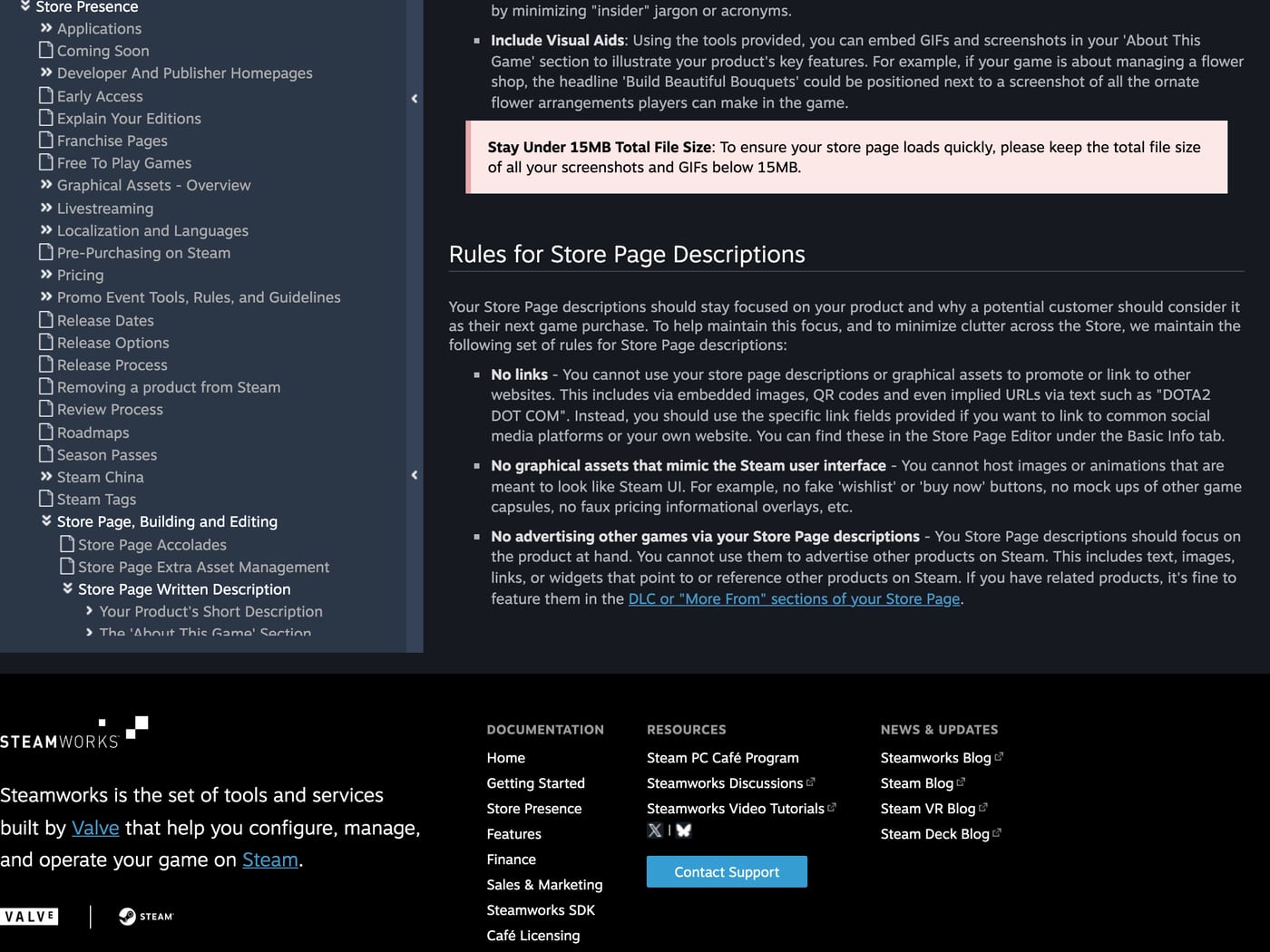
Short answer: Cross promotion means two or more indie studios pointing their players at each other's games. On Steam in 2026 the tools that work are collaborative bundles across developers, links from inside your own released games, events tagged as Cross Promotion, and joint themed sales run through Valve's third-party sale event process. What no longer works is advertising other games in your store page description: Valve's description rules ban "text, images, links, or widgets that point to or reference other products on Steam." Pick partners whose players overlap with yours, and treat it as a trade where both sides get something measurable.
Why indies cross promote at all
A player who wishlisted a cozy farming game is a better prospect for your cozy farming game than anyone an ad can find. Cross promotion is how small studios borrow that audience without paying for it.
It is also normal behavior. In her GDC 2021 talk on the subject, Stray Fawn co-founder Philomena Schwab cited a figure that 65% of developers had done some form of cross promotion multiple times in their career (How To Market A Game summary).
Steam's rules changed in 2024, though, and a lot of older advice now points at tactics Valve removes.
What Valve allows in 2026
In August 2024 Valve announced stricter store page rules that took effect that September. Game Developer reported that Valve wanted to stop games "using the written description area for linking to other games on Steam" and pointed developers to bundles, franchises and developer homepages instead. The current Steamworks description doc says related products can go in the "DLC or 'More From' sections of your Store Page."
| Tactic | Allowed on Steam? | Where it shows | Rule source |
|---|---|---|---|
| Images, links or widgets for other games in "About This Game" | No | Removed | Store page description rules |
| Bundle with another developer's game | Yes | Bundle box on each game's store page, max 3 bundles per page | Bundles, Collaborative bundles |
| Developer or publisher homepage with followers | Yes | Your homepage, follower emails on launch | Developer and Publisher Homepages |
| Event or announcement about another game | Yes, if tagged Cross Promotion | Community hub and followers' activity feed only | Event visibility |
| Joint themed sale with its own Steam page | Yes, after Steam Events Team approval | Sale events hub, store page banner if approved | Hosting Third-Party Sales Events |
| Links inside your own game's menus | Not covered by the store page rules | Your players, inside the game | Store rules apply to store page descriptions and assets |
1. Bundle with another developer's game
Steam has supported bundles across developers since Valve added collaborative bundles. This is the cleanest cross promotion left on Steam because the bundle box sits right on both store pages and Valve handles the money. We cover the bundle mechanics in our guide to Steam bundles; here is what matters when the other game belongs to someone else.
How collaborative bundles work, according to Valve's doc:
- The owner creates the bundle, turns on collaboration mode and shares a secret URL with the other studios.
- Each partner adds their own game. They need the "Manage Pricing & Discounts" permission for it.
- Every participant has to approve any change to the game list, bundle name or discount. The bundle cannot go live while an approval is pending, and Steam does not email anyone about it, so agree on a chat channel.
- Any partner can remove their game at any time, instantly, without approval.
- Only the owner controls the description, artwork and visibility.
- Revenue goes "per package directly," each sale counts toward each game's own sales numbers, and the split cannot be adjusted.
Valve "strongly" suggests the "Complete the set" type for collaborative bundles, so buyers who already own one game only pay for the rest. A store page shows at most three bundles, per the main bundle doc, so pick partners carefully instead of joining every offer.
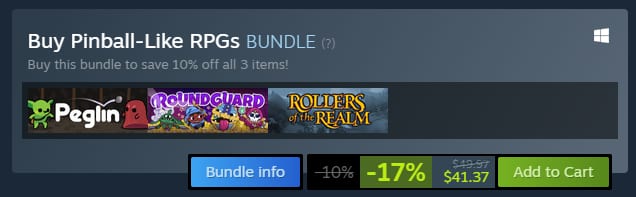
Example: Peglin. Peglin's developer Dylan Gedig told Chris Zukowski that bundling had earned his team $150,000 since launch in 2022, counting only Peglin's share (How To Market A Game, Dec 2022). Partners included Roundguard and Backpack Hero. That is one developer's report. The Peglin store page links to 14 bundles in November 2026, including "The 'One More Run'" with Rune Dice, a game from Smart Raven Studio.
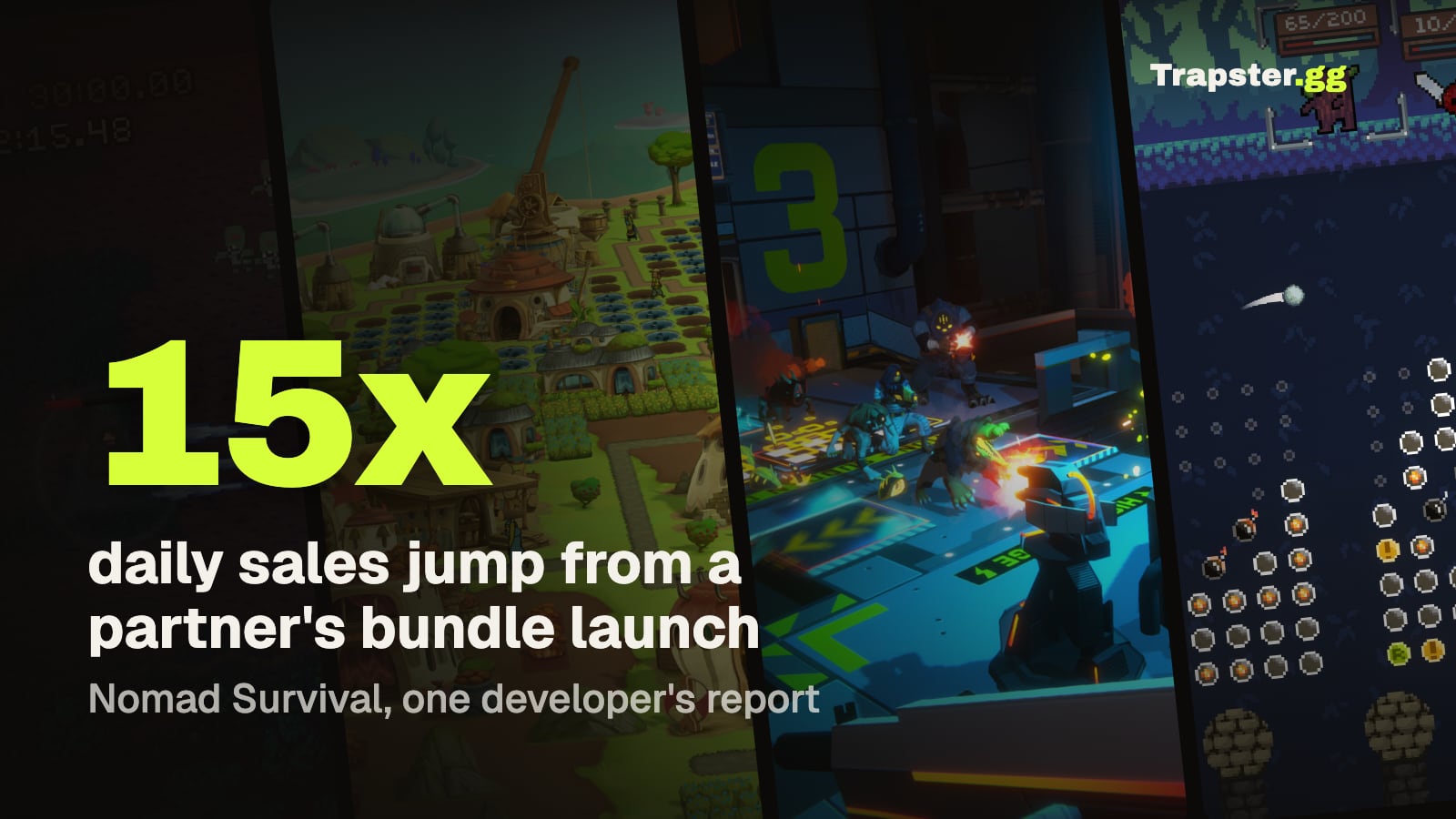
Example: Nomad Survival. The Fox Knocks, the developer of Nomad Survival, bundled with Spellbook Demonslayers and Bounty of One. When Spellbook Demonslayers launched, the developer wrote: "I have seen my daily sales increase over 15x. Not 1.5x. Fifteen times." The spike faded, and 30 days after the bundle went up daily sales sat at about 2x the old baseline (How To Market A Game). Again one developer's numbers, but the mechanic is clear: a partner's launch traffic sees your capsule.
2. Promote your other games from inside your games
The 2024 rules cover what you write on the store page. Your own game's menus are a separate channel, and for studios with a back catalog it is often the biggest one.
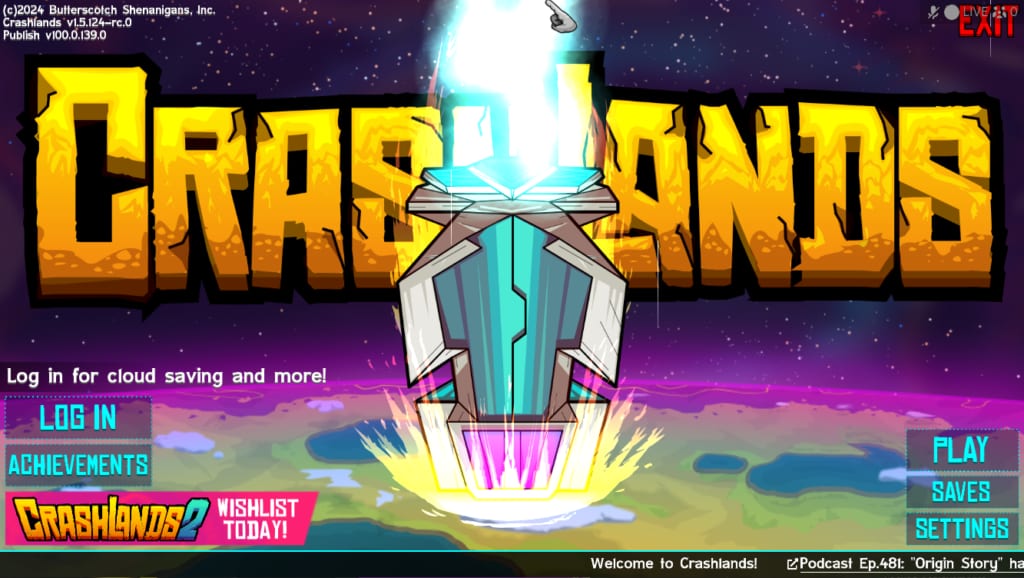
Example: Crashlands to Crashlands 2. Before the rule change, Butterscotch Shenanigans told Zukowski that the link from the Crashlands store page to Crashlands 2 accounted for "~40% of all of our UTM-tracked traffic, and 75% of our UTM-tracked wishlists" (How To Market A Game, Aug 2024). After the store page widget went away, the studio still had a "Crashlands 2 Wishlist Today!" button on Crashlands 1's main menu. A developer at the studio said the cross links were "more effective than all of our other (trackable) efforts combined" (How To Market A Game).
Example: Ancient Enemy. Grey Alien Games tested three placements in Ancient Enemy: a one-time popup, a small icon on the main menu and a "More Games" button. In the same How To Market A Game post, the popup performed best and the "More Games" button much worse. Similar games converted better, and the largest source of traffic was players of an earlier game learning about its sequel.
How to set this up:
- Put a clear call to action on the main menu that opens the Steam store page of the game you are promoting. One game, one button.
- Tag the link with UTM parameters so you can see it in Steam traffic stats. Our guide to Steam UTM tracking shows how.
- If you ship several games, load the promo slot from a small remote file so you can swap targets without patching old builds. The publisher Playway does this with a remotely updated list of upcoming games (same source).
- Ask partner studios to do the same in their games, and offer your menu slot in return. This is the in-game version of a bundle.
Do not forget the Steam side of your catalog. A developer or publisher homepage collects followers, and Valve says they "will receive an email when your game launches or enters early access or exits early access." Link every game to it, and new coming-soon pages "automatically appear on the linked homepages."
3. Use Steam events and announcements, tagged correctly
Steam events are still allowed to talk about other games, but Valve controls where those posts show. Its visibility doc says events "primarily about other games or other stores/platforms" must be tagged Cross Promotion, and they "do not appear on the library homepage or on your store page." They reach your community hub and the activity feed of followers only. So a cross promotion event reaches your most engaged fans, not new players. Our guide to Steam events and announcements covers the event types in detail.
Practical uses:
- A post when a partner launches, with their store link. Valve's event tools doc says a link to "another game's Steam store page" becomes an automatic preview widget.
- A bundle launch post on both games, which is about your own game too, so you can choose a normal event type.
What changed: before 2024 the "Special Announcement" area on store pages carried widgets for other games. In her GDC talk Schwab estimated that about a third of "their wishlists" came from such a widget linking another game (How To Market A Game). GameDiscoverCo estimated that the "CHECK OUT OUR UPCOMING GAME" widget on Niche's page brought The Wandering Village "at least 50" wishlists a day even when broken and "more like 100+" when working (GameDiscoverCo, March 2021). Those placements are gone since September 2024.
4. Run or join a joint sale
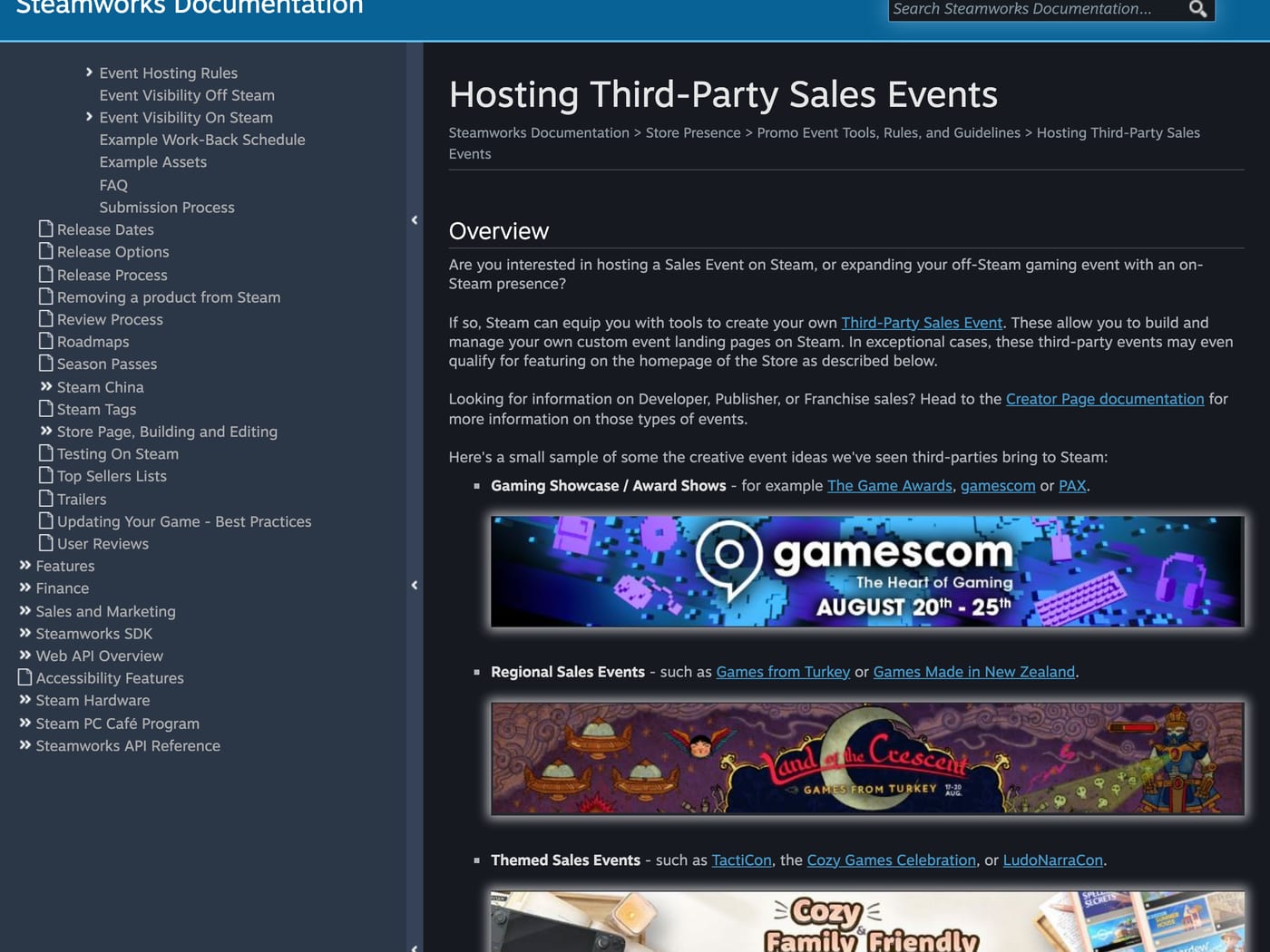
A themed sale where a group of developers discount together is the biggest cross promotion format on Steam, and Valve has a formal process for it. Its third-party sale events doc sets eight hosting rules. The ones that trip up indie organizers:
- No off-topic games. Every game must fit the theme.
- Sales require discounts. If you call it a sale, "a majority of the participating titles should be on discount."
- No promoting off-Steam content. No outbound links, stores or newsletters on the sale page.
- No selling placement and no preferential treatment for your own or partners' games.
- Secure third-party approval for every game and asset you include.
Valve says sale page reviews typically take 2 to 3 business days. Approved events usually appear in the Sale Events News Hub, participating games can get a store page banner for up to 2 weeks, and wishlisters get a notification when a game is discounted by at least 20%. Events in their first year "will not be eligible for featuring," so the first edition runs on your own promotion.
Example: Guildford Games Festival. Gary Burchell of Fireblade Software ran a Steam sale for the Guildford Games Festival in December 2021 with 26 games at the start, growing to 32. His upcoming game SENTRY gained over 2,300 net wishlists, about 50% more than the year before. Fireblade's Abandon Ship sold 51% more copies than in the 2020 edition at a deeper discount, with gross revenue about 20% lower. Burchell's conclusion was that Valve's front page featuring made the difference (GameDiscoverCo). Those are one organizer's numbers.
Example: Pixelated Adventures. Brave At Night, the studio behind Yes, Your Grace, hosted its own Steam event in July 2024 and recruited other indies through relevant subreddits, and the call was shared on the HTMAG Discord. A marketing case study reports the event brought over 20,000 wishlists for Yes, Your Grace: Snowfall. That figure comes from a third-party newsletter (which names the game "Shadowfall" in that sentence, apparently a typo), not from the studio or Valve.
Example: Stray Fawn. Zukowski counted 470 virtual third-party Steam festivals in Steam's history and found that 31% of games released since 2020 appeared in at least one (How To Market A Game, Aug 2026). Stray Fawn's The Wandering Village appeared in 59, the most of any game. The Stray Fawn team's explanation: "We do it for all the released games where it makes sense." Zukowski's own advice: "you can just make your own festival." See our list of indie game festivals for 2027 for events you can apply to.
5. Do an in-game crossover
Crossovers swap content instead of links: a costume or a weapon from a partner game. They give players of both games a reason to talk about the other one.
Example: Dead Cells "Everyone is Here". In November 2021 Motion Twin and Evil Empire shipped a free update to Dead Cells with a weapon and an outfit each from Hollow Knight, Blasphemous, Curse of the Dead Gods, Guacamelee, Hyper Light Drifter and Skul: The Hero Slayer (Shacknews). Vol. II in November 2022 added Terraria, Hotline Miami, Shovel Knight, Slay the Spire, Risk of Rain and Katana ZERO, and the team paired it with a one week "complete-the-set" bundle of most of the featured games (Steam announcement). That is the strongest version of the format: content inside the game, plus a bundle on the store. No sales figures were published, so treat it as an example of format, not of results.
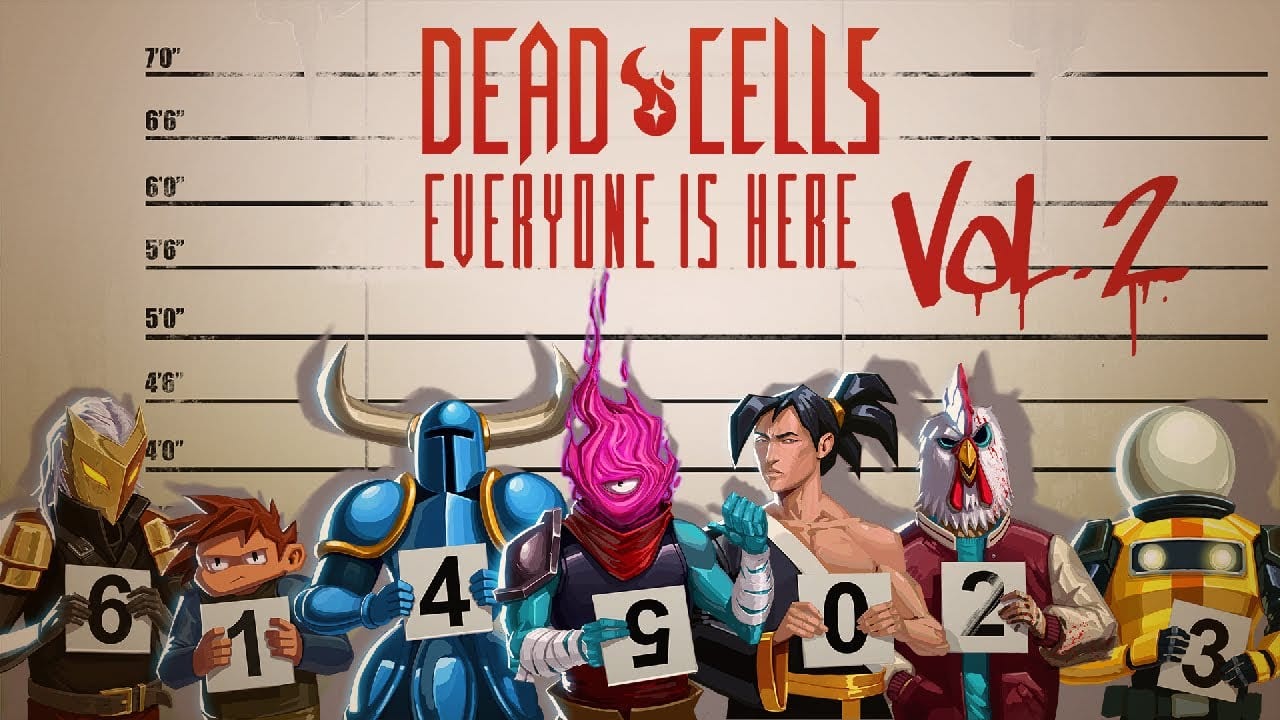
Crossovers cost development time and need IP sign off from both sides, so they suit live games that already ship regular updates.
6. Share communities: Discord events and newsletter swaps
These happen off the store page, where Valve's store rules do not apply.
Shout outs. Schwab's best known example is a Reddit post she made for a friend's game, Omno, titled "A friend of mine is creating this beautiful adventure game all by himself!" It received 80K upvotes (How To Market A Game).
Shared Discord events. Two studios in the same genre can run a joint dev Q&A or a shared playtest night and announce it in both servers. Schwab described a nature games community, PlayfulOasis, that did not move wishlists much on its own but led to a World Environment Day sale that "brought in a lot of wishlists and sales." Our Discord guide for game developers covers how to set up the server side.
Newsletter swaps. If both studios have mailing lists, each sends a short feature about the other game to its list, ideally timed to the partner's launch or demo. Two notes: keep the feature honest about why your readers would like the game, and do not put the swap on a third-party Steam sale page, which Valve's rule 4 forbids.
Examples at a glance
| Game or studio | What they did | Public outcome | Source |
|---|---|---|---|
| Peglin | Collaborative bundles with Roundguard, Backpack Hero and others | $150,000 for Peglin from bundles by Dec 2022 (developer report) | HTMAG |
| Nomad Survival | Bundle with Spellbook Demonslayers and Bounty of One | Daily sales over 15x during partner launch, then about 2x baseline | HTMAG |
| Crashlands 2 | Links from Crashlands 1 store page and main menu | ~40% of UTM traffic and 75% of UTM wishlists from the store page link | HTMAG |
| Ancient Enemy | Popup, menu icon and "More Games" button tested | Popup best, "More Games" button much worse | HTMAG |
| The Wandering Village | Widget on Niche's store page (pre 2024) | Estimated at least 50, more like 100+ wishlists a day | GameDiscoverCo |
| SENTRY / Abandon Ship | Organized the Guildford Games Festival Steam sale | 2,300+ net wishlists for SENTRY; 51% more Abandon Ship copies than 2020 | GameDiscoverCo |
| Yes, Your Grace: Snowfall | Hosted the Pixelated Adventures Steam event, July 2024 | Over 20,000 wishlists (third-party report) | OP Game Marketing |
| Omno | Friend's Reddit shout out | 80K upvotes | HTMAG |
| Dead Cells | Free crossover items from 12 indie games, plus a one week bundle | No figures published | Steam |
How to find partners and pitch them
- List 20 games your players also play. Look at the "More Like This" section on your store page and at games with the same top tags. Prefer games within a year of your launch window, before or after.
- Check the fit. Same genre and a similar art style, so a bundle looks natural. For bundles, Zukowski's advice is one or two partner games unless the discount is deep (HTMAG).
- Look at their calendar. A partner with a launch, a big update or a Next Fest demo coming up is worth more than one that is quiet.
- Offer something specific. "Want to do a Complete the set bundle at 10% off, live the week of your launch, and I will add your game to my main menu?" gets answers. "Let's cross promote sometime" does not.
- Agree on the details in writing. Discount, dates, who owns the bundle art, which events each side posts, and what happens if one side wants out. Remember that with collaborative bundles any partner can pull their game instantly.
- Track it. Use UTM links for off-Steam promotion and check bundle sales in your Steamworks reports, then tell the partner what you saw. Studios that share numbers get invited back.
Mistakes that waste the effort
- Following pre 2024 advice. Widgets and "check out our other game" links in the store description get removed under Valve's rules.
- Mismatched audiences. Zukowski's festival research found Lost Twins 2 appeared in 35+ festivals but had only 53 reviews. His read: "The limiting factor is not visibility, it is finding a match with the Steam audience."
- One-sided deals. If only you benefit, the partner stops answering. Give first.
FAQ
What is cross promotion for indie games?
It is when two or more studios promote each other's games to their own players, through bundles, in-game links, joint sales, shared events or social shout outs. Neither side pays the other for the exposure.
Can I link to another game on my Steam store page?
Not in the description. Since September 2024 Valve's rules ban text, images, links or widgets that reference other Steam products there. Use bundles, the "More From" section, a franchise or a developer homepage instead.
How do I make a Steam bundle with another developer?
Create a bundle, turn on collaboration mode and send the partner the secret URL from the collaborative bundles page. Each studio adds its own game, everyone approves the discount, and each studio is paid for its own package.
Do cross promotion events show on my Steam store page?
No. Valve says events tagged Cross Promotion appear on your community hub and in followers' activity feeds, but "do not appear on the library homepage or on your store page."
Can a group of indie developers run their own Steam sale?
Yes. Submit the idea through Valve's third-party sale events process, follow the eight hosting rules, and expect a 2 to 3 business day page review. First-year events are not eligible for Valve featuring.
Is in-game cross promotion allowed on Steam?
Valve's store page rules cover store page descriptions and assets, not your game's menus. Studios such as Butterscotch Shenanigans and Grey Alien Games promote their other games from inside their games.
Sources: Steamworks: Bundles, Steamworks: Collaborative Bundles, Steamworks: Store Page Descriptions, Steamworks: Event Visibility, Steamworks: Hosting Third-Party Sales Events, Steamworks: Developer and Publisher Homepages, Game Developer, How To Market A Game, GameDiscoverCo; checked November 2026.
Get a wishlist forecast for your game
Send us your Steam page. We estimate views, creators and cost per wishlist before you spend anything.
Keep reading
How Many Copies Do Indie Games Sell? Real Steam Numbers by Tier
Most Steam indie games sell under 1,000 copies. Real numbers by tier…
Game Marketing Hook: How to Find, Test and Show Yours
What a game marketing hook is, how to test one cheaply with…
How to Name Your Game: Searchable, Memorable and Legally Safe
How to name your game: pass the Steam, Google and trademark checks…