Indie Game Grants 2027: Open Funds, Amounts and Deadlines
Indie game grants open for 2027: Creative Europe, UK Games Fund, NFI, CMF, German games fund, Epic MegaGrants, with amounts, rules and deadlines.
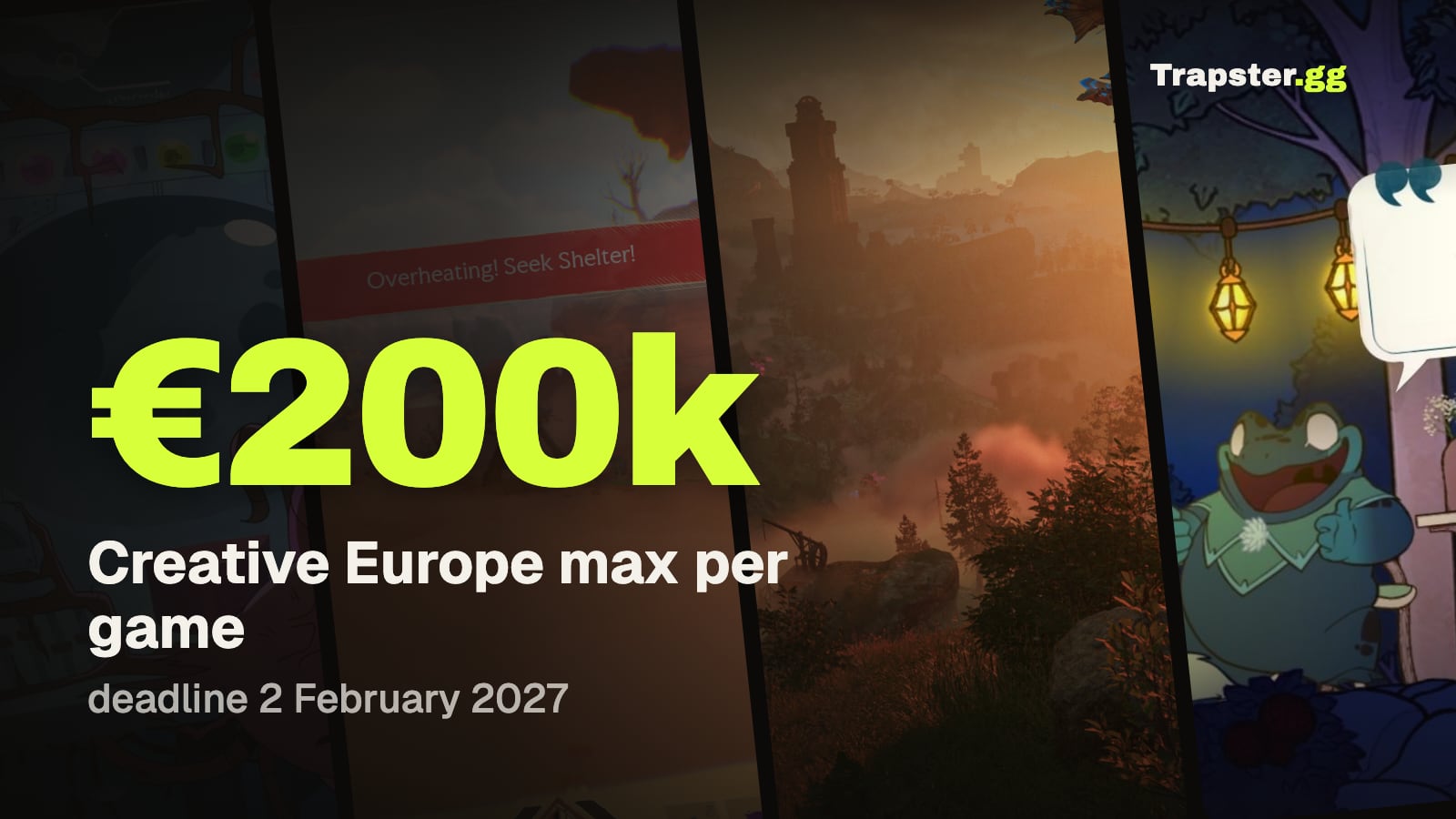
Short answer: As of November 2026, the indie game grants you can apply to right now include the EU's Creative Europe MEDIA video games call (up to EUR 200,000 per game, deadline 2 February 2027), the UK Games Fund Content Fund (GBP 100,000 to 250,000, open for expressions of interest), and Norway's NFI development grant (next deadlines 6 January and 13 April 2027). Canada's CMF Commercial Projects Program pays up to CAD 1.5 million but runs on spring and fall windows, and Germany's federal games funding only starts at EUR 300,000 project budgets. Epic MegaGrants closed both 2026 cycles in September. Private funds like Indie Fund and Kowloon Nights take pitches year round, but they are investors, not grant givers.
Below is the full list with amounts, eligibility rules and deadlines taken from each fund's own documents, what reviewers actually score, and named games each one has backed.
The list: game development funding for 2027
Status is as of 17 November 2026. "Grant" means non repayable. Anything marked investment expects to recoup from sales.
| Fund | Type | Amount | Who can apply | Status and deadline |
|---|---|---|---|---|
| Creative Europe MEDIA: Video games and immersive content development | Grant (lump sum, 60% of budget) | Up to EUR 200,000 per project | Studios in Creative Europe MEDIA countries that shipped a commercially distributed game since 1 Jan 2024 | Open. Deadline 2 Feb 2027, 17:00 Brussels |
| UK Games Fund: Content Fund | Grant | GBP 100,000 to 250,000 | UK registered SMEs with PAYE staff, prototype in place | Open for EOIs, funded until 31 Mar 2029 |
| Norwegian Film Institute: game development (artistic assessment) | Grant | Up to 50% of approved costs (75% for "narrow" works) | Production companies in Norway or the EEA, registered in Norway | Open. Deadlines 6 Jan 2027 and 13 Apr 2027, 12:00 |
| NFI: game development (market assessment) | Grant | Up to NOK 5M (50% of budget) or NOK 10M (30%) | Same, plus a publisher funding 50% of the phase | No dated deadline listed; annual budget cap |
| Canada Media Fund: Commercial Projects, Main Stream | Production funding | Lesser of 75% of eligible costs or CAD 1.5M | Canadian applicants that have released a similar game before | Spring and fall deadline periods |
| German federal games funding (BMFTR / DLR) | Grant | 25% to 50% of costs, max EUR 8M | Companies in Germany (foreign studios via a German entity), projects from EUR 300,000 | Mandatory draft consultation with DLR first; confirm the intake window at games@dlr.de |
| Epic MegaGrants | Grant | Not fixed publicly | Unreal Engine projects, solo devs to studios | Closed. 2026 Cycle 2 closed 4 Sep 2026; 2027 dates not yet published |
| Indie Fund | Investment | Mostly USD 10,000 to 50,000 | Anyone with a playable prototype | Rolling |
| Kowloon Nights (Kepler) | Investment | Project based | Premium PC and console teams | Rolling, pitch form |
Two things that trip people up. First, almost every public grant pays a share of your budget, not the whole thing. The EU covers 60%, the UK Content Fund needs total project costs of at least double the grant, and NFI caps public money at 50%. Second, most public grants want a released game on your record. If this is your first project, Indie Fund, the NFI artistic scheme and regional programs are more realistic than the EU or CMF.
Creative Europe MEDIA: up to EUR 200,000, deadline 2 February 2027
This is the biggest open call for European indies right now. The 2027 call document (published 30 September 2026) sets a EUR 13.5 million budget, a maximum of EUR 200,000 per project, and a lump sum at a 60% funding rate. Results are expected in July 2027 and grant agreements in October 2027.
What it funds: development only, up to the first prototype. The call says production, from testing the first prototype to Gold Master, is ineligible, and production must start at least 10 months after the deadline. Projects can run up to 36 months.
The eligibility rules that cut most applicants:
- Track record. The coordinator must have developed a game or immersive work that was commercially distributed between 1 January 2024 and the deadline, with a sales report to prove it. Work for hire, personal credits and Early Access titles do not count.
- Genre exclusions. The call lists puzzle, sports, racing, rhythm, party, quiz, versus fighting and similar games as ineligible "even if they have a narrative element". It wants interactive narrative storytelling or quality gameplay with "a high level of commercial ambition".
- Ownership. The company must be majority owned by nationals of MEDIA countries. Publishers cannot apply.
What reviewers score (100 points, pass mark 70): relevance 35 (originality 10, innovation 15), quality of content 25, project management and financing 20, and dissemination 20. Note the last block. The marketing strategy alone is 10 points, judged on "reaching audiences at an early stage", USPs and audience engagement tools. A Steam page with real wishlist numbers and a plan for how you will get more wishlists gives evaluators something concrete to score.
Examples: The 2025 results list published by Creative Europe Desk Germany shows 42 funded projects totalling EUR 6.98 million. Charles Games (Czech Republic) got EUR 199,997.76 for 1969: The Final Cut. Pendulo Studios (Spain) got EUR 173,554.67 for JADE: Shattered Realities. Level Up Game Studios (Codiwans S.L., Spain) got EUR 146,690 for Dream Bandits and wrote that it was one of 42 proposals picked from more than 320 applications. That is a hit rate under 13%, so treat it as one bet, not your plan.
UK Games Fund Content Fund: GBP 100,000 to 250,000
The Content Fund is open for expressions of interest and says it is funded until 31 March 2029, with a warning that high demand "could lead us to closing for applications much earlier".
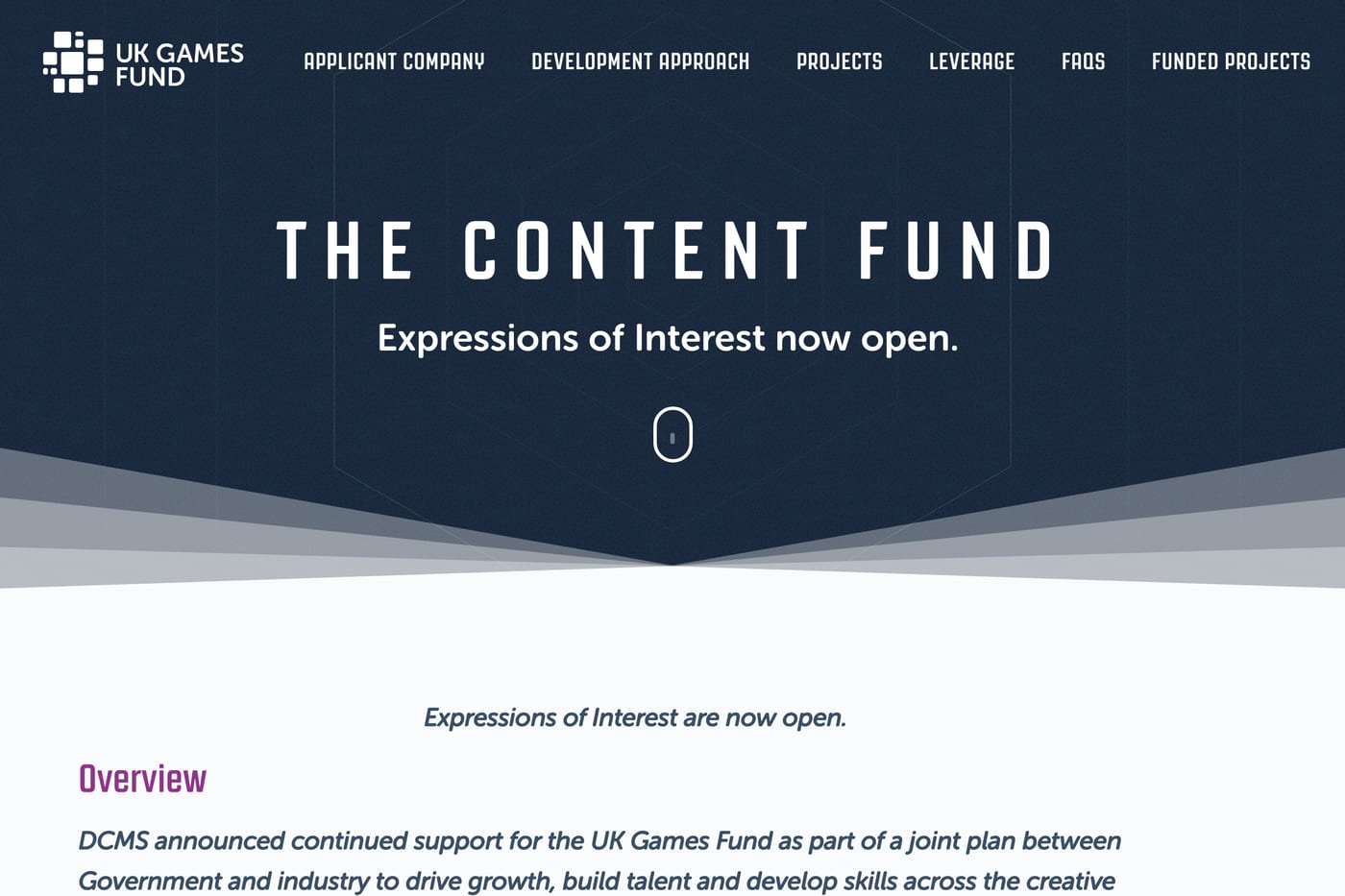
Key terms from the fund's page:
- UK registered SME with PAYE employees doing games work in the UK, with UK based founder directors as significant shareholders.
- A prototype in place, IP owned or properly licensed, and a commercial entertainment game that can get a PEGI rating.
- Overall project costs at least double the grant. A publisher advance is the preferred kind of match money.
- 70% paid upfront, usually within four weeks of contract. The other 30% is held until the match funding is contracted in the same financial year.
- The funded work should run 6 to 12 months. Shipped founders are preferred, and new start ups are only considered with "an immediate publishing opportunity".
In practice the Content Fund rewards studios that already have a publisher conversation going. If you are still pitching, get your publisher pitch deck ready in parallel, because the grant and the deal support each other.
Examples: UKGF's own Content Fund announcement (September 2025) names Size Five Games (Earth Must Die), ReadGraves (Task Time) and Psytec Games (Titan Isles) as portfolio companies. Size Five's Dan Marshall is quoted saying "The UKGF grant is absolutely game-changing for Size Five."
Norway: NFI development grants, next deadlines January and April 2027
The Norwegian Film Institute runs two schemes. The artistic assessment scheme covers development "from early development to completion of the game". Public money is capped at 50% of approved costs (75% for a "narrow" audiovisual work). Applicants must be production companies established in Norway or the EEA and registered in the Norwegian business register. Reviewers weigh artistic quality and market potential together with the team's ability to deliver. The deadline page lists 6 January 2027 and 13 April 2027 at 12:00, and the form opens four weeks before each deadline. Processing takes 6 to 8 weeks.
The market assessment scheme is for bigger, publisher backed projects: up to NOK 5 million at 50% of budget or NOK 10 million at 30%, and the publisher must finance 50% of the phase. Projects also need to pass at least three of four points in a cultural test, and the language point (Norwegian or Sami) is mandatory.
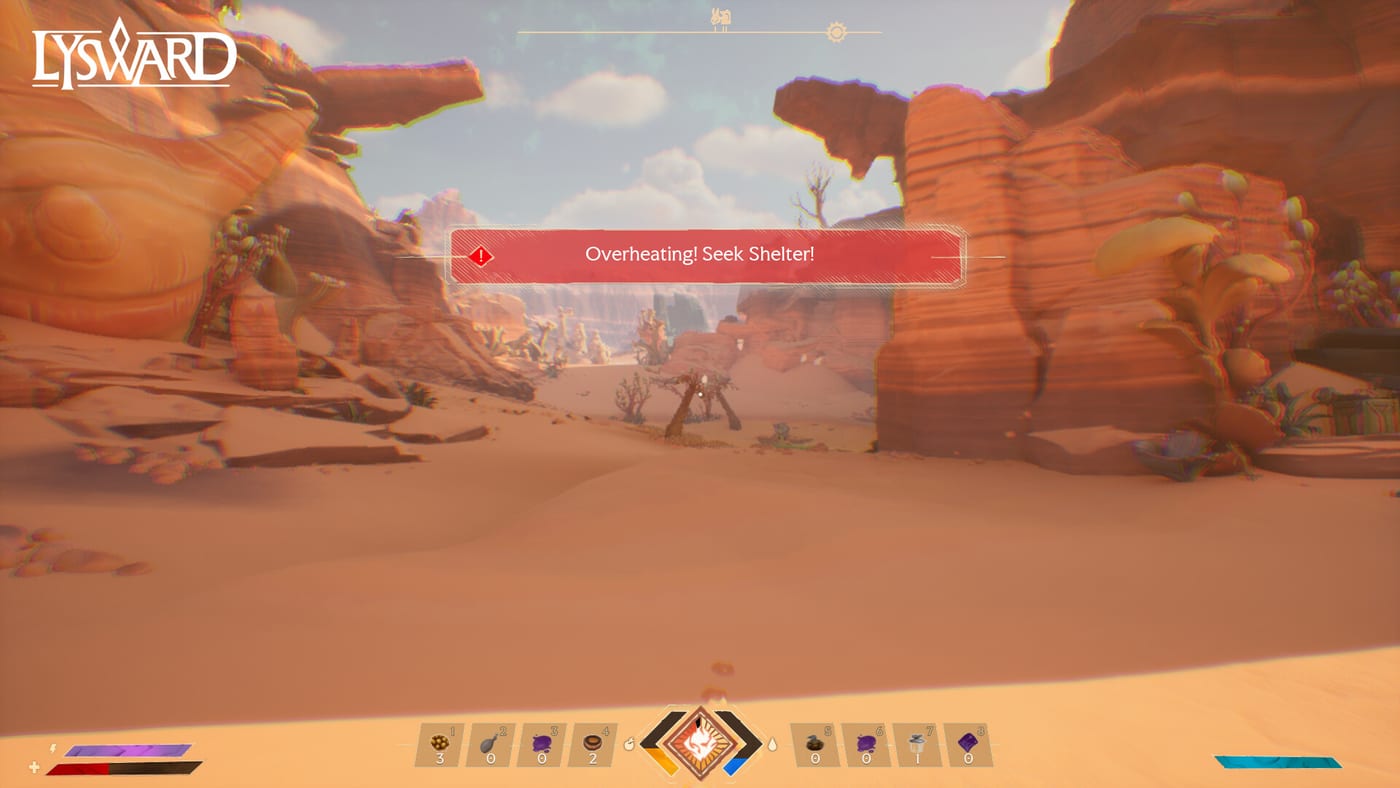
Examples: NFI's February 2026 round gave NOK 18.6 million to 12 games. Snowcastle Games got NOK 4 million for Lysward, Krillbite Studio got NOK 3.94 million for Indognito, and Megapop got NOK 2.3 million for Golemancer. The smallest award was NOK 400,000, so small teams do get through.
Canada Media Fund: up to CAD 1.5 million, and it asks for wishlists
The CMF's Commercial Projects Program Main Stream guidelines for 2026 to 2027 fund the final, market ready version of a game, including localization and marketing. The maximum is the lesser of 75% of eligible costs or CAD 1.5 million. The program accepts one project per spring or fall deadline period. The CMF can commit up to 50% of the allocation at the first closing date, so applying early matters.
Eligibility: you (or your majority shareholders) must have publicly released a similar project before. The guidelines say prototypes, demos and game jams do not count. First time CMF applicants must do a pre-application consultation. A new Third-Party Investment Stream is first come, first served for projects with at least 25% third party money already locked.
The scoring grid is unusually commercial. Team is worth 13 points, commercial potential 44 (content 19, financial viability 25), and market study plus marketing strategy 33. Self publishing is allowed if you show audience traction. For video games, the guidelines name "wish list numbers, demo / prototype / playtest results, community server numbers" as evidence. That makes your wishlist conversion math part of the application, not just your launch plan.
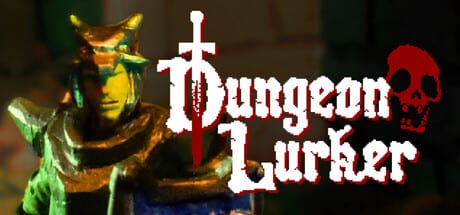
Examples: The CMF's second 2025 to 2026 Commercial Projects round includes 13AM Games with CAD 609,205 for Dungeon Lurker and Wild Blueberry Games with the full CAD 1.5 million for Blooming Business Arcade. In the spring 2026 round the program funded 10 video games for a total of CAD 8.85 million.
Germany: federal games funding from EUR 300,000 project budgets
Germany's program is now run by the research ministry (BMFTR) with DLR as project agency. DLR's August 2026 overview lists the current terms: non repayable grants, eligible projects from EUR 300,000, a maximum of EUR 8 million per project, and a base rate up to 25%, rising to 45% for SMEs and 50% for start ups. New games, major DLC, season passes and substantial ports qualify, including prototypes. Foreign companies can only take part through a German subsidiary or branch.
Before you apply you need a mandatory draft consultation (Entwurfsberatung) with DLR, as Berlin's Projekt Zukunft explains. The program has stopped intake several times when money ran out. A consultancy summary counts application windows open in only 31 of 54 months between September 2020 and April 2025. So email games@dlr.de and confirm the window before you build a budget around it.
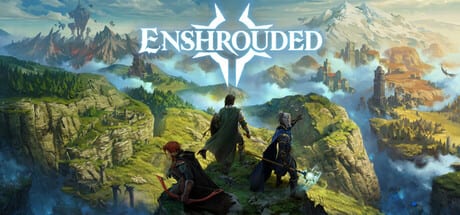
Examples: A PC Games Hardware report (October 2026), based on the government's answer to a Bundestag inquiry, says 714 applications worth about EUR 237.9 million were approved from 2019 to 2025. It also cites just under EUR 5.7 million for Anno 117: Pax Romana (from a DLR news item) and just over EUR 2 million for Keen Games' Enshrouded.
Epic MegaGrants: closed until the 2027 cycle
Epic moved MegaGrants to fixed cycles. Per Epic's MegaGrants timeline and Unreal Source (a fan site, not Epic), 2026 Cycle 1 closed 20 March with notices on 15 to 19 June. Cycle 2 ran 29 June to 4 September, with notices due 7 to 11 December 2026. Both are closed. Watch the official page for 2027 dates. We could not load Epic's page to verify grant sizes, and third party listings quote ranges that disagree, so we leave the amount open.
Your project needs to use Unreal Engine. Epic has not published a scoring grid, so the best guide is what past recipients shipped.
Examples: Moving Pieces Interactive, a three person Brooklyn studio, told 80 Level in February 2026 that it "received an Epic Mega grant" for Shoulders of Giants, which later became a timed Epic Games Store exclusive. German studio Alchemical Works announced a MegaGrant for the deck building action RPG BattleJuice Alchemist while its alpha playtest was running on Steam.
Indie Fund and Kowloon Nights: investment, not grants
These take pitches all year, but they recoup from your revenue, so read the agreement.
Indie Fund works "like a syndicate" of developer investors. Most deals are USD 10,000 to 50,000, with 50,000 to 100,000 less common. It states plainly: "We will not fund games without a playable prototype." The form asks for a 1 to 2 minute gameplay video, screenshots, a budget that includes PR and marketing, a ship year and your team history. If you hear nothing in a week, assume there wasn't enough interest.
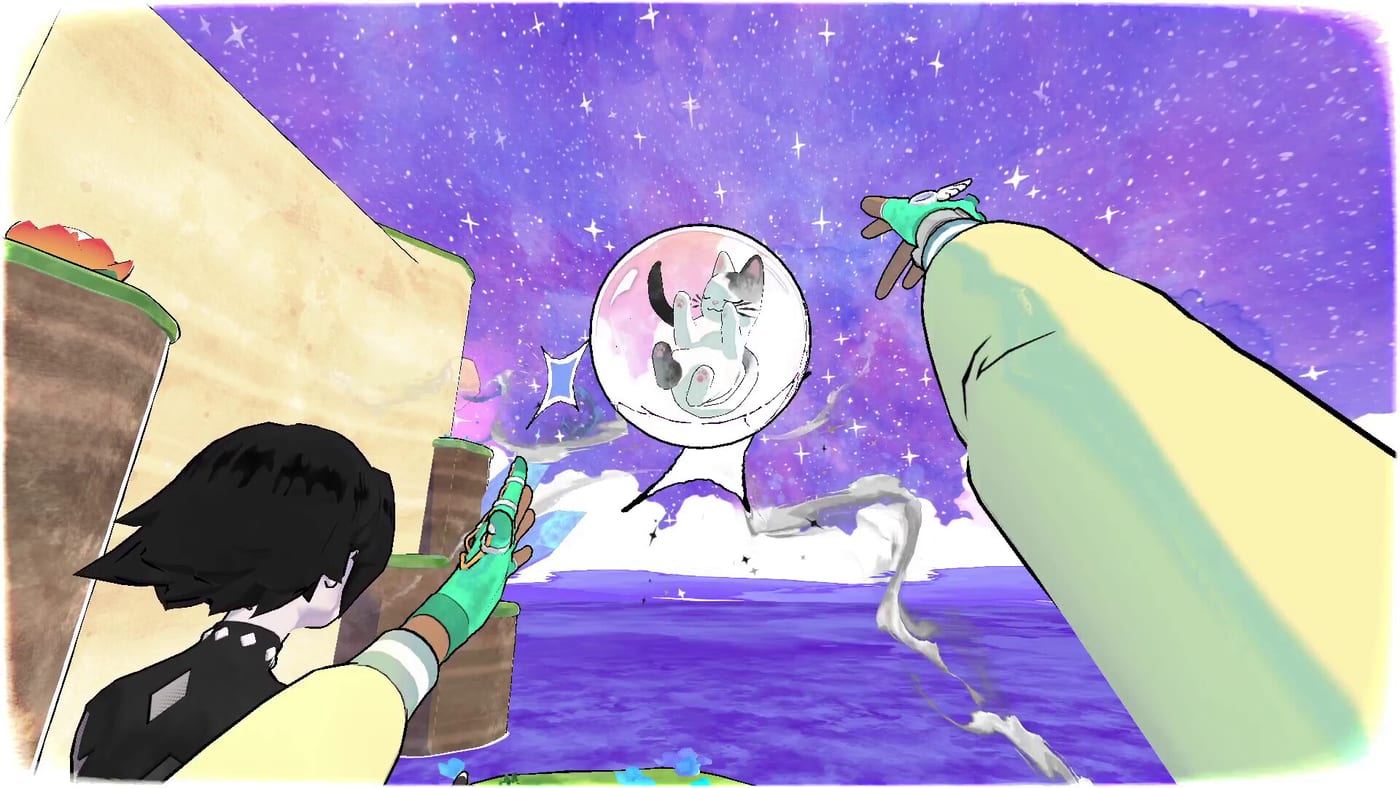
Example: In 2026 Indie Fund backed Whisk!, a two player watercolor platformer from Double Dusk, with a final round of funding to finish the game for PC, Switch, PlayStation and Xbox. It also announced Slime in the Ice Machine in August 2026.
Kowloon Nights now sits on Kepler Interactive's site, which says "Kepler and Kowloon specialise in funding premium PC and Console projects", plus AR/VR and mobile first titles, with no blockchain or advergames. Its pitch advice ranks materials "Demo > Video > Concept Art > Words" and asks you to explain how you will manage the project through release.
Examples: When Kowloon announced 23 deals in 2021, partners included Thunder Lotus (Spiritfarer), Night School (Oxenfree) and Kaizen Game Works (Paradise Killer), and developers keep their IP and sequel rights. Its 2022 update reported USD 150 million in portfolio revenue and quoted Fire Hose Games keeping "all creative control + IP ownership" on Techtonica.
How to apply without wasting a quarter
Grant writing eats weeks. Here is the order that works for most small studios.
- Check the hard filters first. Released game in the window? Company in the right country and ownership? Genre allowed? Budget above the minimum?
- Build the budget the fund expects. Every public fund above pays a share, so show where the rest comes from: savings, a publisher, a Kickstarter, or a second grant. Include marketing. CMF requires 25% to 50% of certain production costs to go to marketing.
- Have something playable. UKGF, Indie Fund and Kowloon require or strongly prefer a prototype. The EU and NFI accept earlier work, but a vertical slice still scores better on quality.
- Prove an audience exists. CMF lists wishlists and playtest data as evidence, and the EU gives 10 points to early audience building. A live Steam page counts here, so get one live early.
- Write to the scoring grid. Use the fund's own headings in your document, in the same order. Evaluators score against a sheet. Make their job easy.
- Apply to more than one. Many funds allow stacking. The UK Content Fund literally wants other money attached, and the EU call is built around co-financing.
What reviewers actually look for
Reading the scoring grids side by side, a pattern shows up.
- Commercial realism beats ambition. CMF puts 44 of 100 points on commercial potential and financial viability. UKGF wants a publisher or other private money. NFI weighs market potential next to artistic quality.
- Marketing is scored, not assumed. The EU, CMF and Indie Fund all ask for a marketing plan or marketing budget. A one line "we will do social media" loses points. Show channels, timing and cost. Our game marketing plan template covers the level of detail funds expect.
- Team track record. The EU and CMF make a shipped game a hard requirement. UKGF and NFI prefer it.
- Originality where the money is cultural. The EU gives 25 points to originality and innovation, and NFI's artistic scheme is assessed on artistic quality first.
If you plan to spend part of a grant on audience building, short form creator videos are one channel funds understand because the results come with view counts and measurable wishlist lift.
FAQ
Are there grants for indie game developers with no released game?
Yes, but fewer. Indie Fund only needs a playable prototype, and NFI's artistic scheme has no shipped game requirement. The Creative Europe call and CMF's Commercial Projects Main Stream both require a previously released game.
Is Epic MegaGrants still open in 2026?
No. Both 2026 cycles have closed, the second on 4 September 2026. Epic has not published 2027 dates yet, so check the official MegaGrants page.
How much is the Creative Europe video game grant?
Up to EUR 200,000 per project, paid as a lump sum based on a 60% funding rate. The 2027 call closes on 2 February 2027 at 17:00 Brussels time.
Do I have to pay back a game development grant?
Public grants from Creative Europe, UK Games Fund, NFI and the German federal program are non repayable if you deliver what you contracted. Indie Fund and Kowloon Nights are investments and recoup from game revenue.
Can a non German studio get German games funding?
Only through an eligible German subsidiary, branch or legal entity acting as lead partner, according to DLR.
Do wishlists help a grant application?
For some funds, directly. The CMF guidelines list wishlist numbers as evidence of audience interest for self published games, and the EU scores early audience engagement in its marketing criterion.
Can I combine several grants for one game?
Usually yes, within each fund's cap on total public money. NFI caps total public funding at 50% of approved costs, and the UK Content Fund requires the project to cost at least double its grant.
Sources: Creative Europe CREA-MEDIA-2027-DEVVGIM call document; Creative Europe 2025 games results; UK Games Fund Content Fund; NFI deadlines; NFI February 2026 awards; CMF Commercial Projects guidelines 2026 to 2027; CMF funded projects; DLR games funding overview; Indie Fund; Kepler and Kowloon; Game Developer; checked November 2026.
Get a wishlist forecast for your game
Send us your Steam page. We estimate views, creators and cost per wishlist before you spend anything.
Keep reading
How Many Copies Do Indie Games Sell? Real Steam Numbers by Tier
Most Steam indie games sell under 1,000 copies. Real numbers by tier…
Game Marketing Hook: How to Find, Test and Show Yours
What a game marketing hook is, how to test one cheaply with…
How to Name Your Game: Searchable, Memorable and Legally Safe
How to name your game: pass the Steam, Google and trademark checks…