Game Marketing Plan Template: Month by Month From Steam Page to Launch
A month by month indie game marketing plan: wishlist goals, channels, owners, budget lines and KPIs per phase, plus a copyable template table.
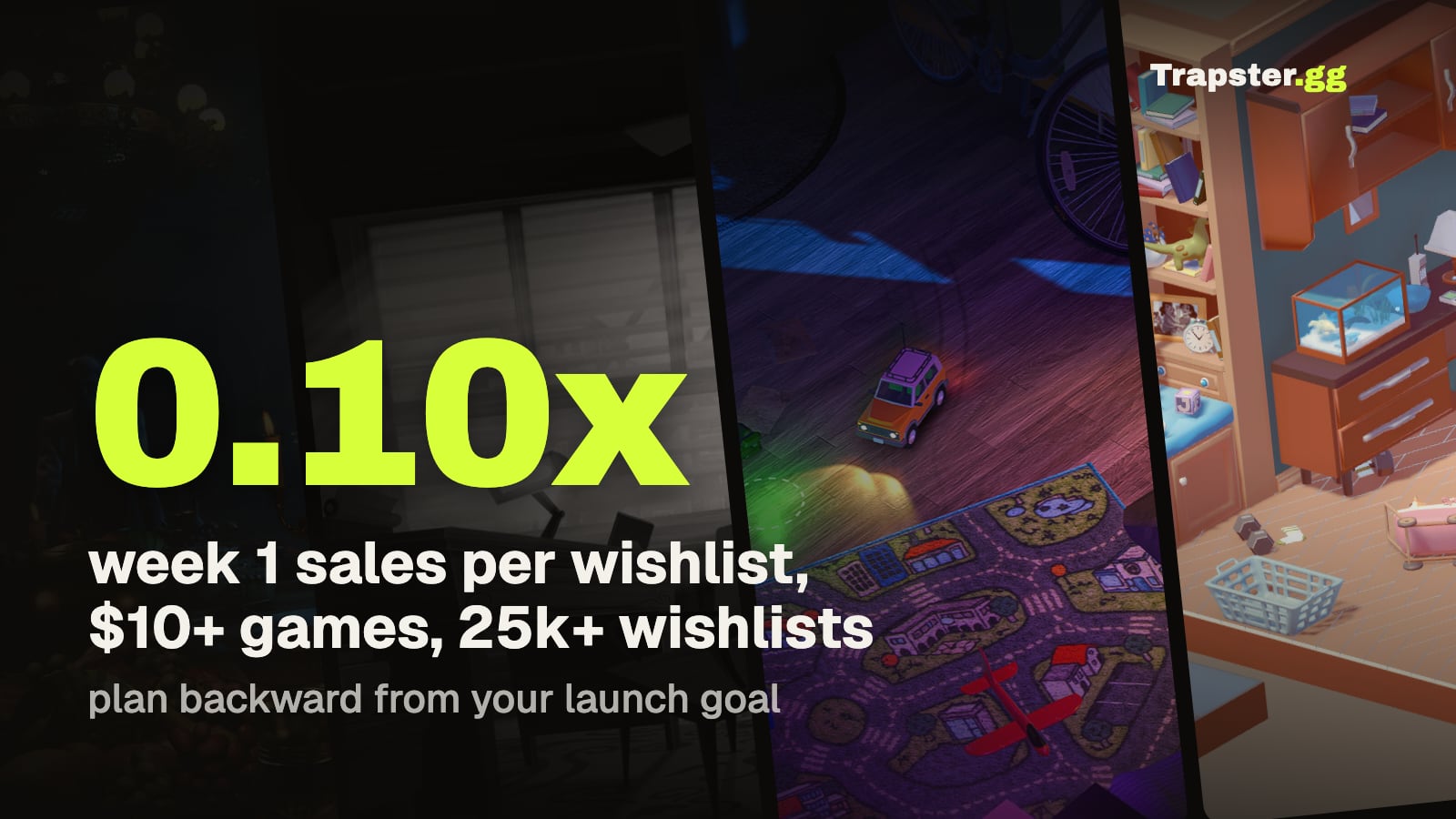
Short answer: a game marketing plan is a one-page document that turns your launch goal into monthly checkpoints, each with a wishlist target, the channels you will use, one owner, a budget line and a KPI you can read in Steamworks. Build it backward: pick the first-week sales you need, divide by a realistic conversion rate (among games launching with 25,000+ wishlists, GameDiscoverCo puts the median for those priced above $10 at 0.10x wishlists in Week 1), and that gives you the wishlist count to plan for. Then split the months from your Steam page to three months after launch into phases, anchored on fixed Steam dates like Next Fest and the 30 day discount rules. Below is the method, a filled example and a blank template you can copy.
What this plan is (and what it is not)
Two other guides cover the neighbouring ground. How to market a game explains what each stage of Steam marketing is for. The Steam launch checklist lists Valve's process steps: reviews, paperwork, build approval, release buttons. This page is the layer in between: the planning sheet a small team uses to decide who does what each month, what it costs and how you know it worked.
A usable plan has five columns per phase:
- Goal. A wishlist number by the end of the phase, plus one secondary goal (demo players, press pieces, reviews).
- Channels. Two or three at most. A plan that lists every channel gets none of them done.
- Owner. One name per line. "The team" is not an owner.
- Budget line. What you will spend, even if it is zero and paid in hours.
- KPI. A number you can check weekly, with the place you read it.
Step 1: set the launch goal backward
Start from the end, not from the channels.
- Pick a Week 1 sales target. Use what you need to fund the next stretch of development, not what you hope for.
- Divide by a conversion rate. GameDiscoverCo's October 2025 analysis found a median of 0.15x Week 1 sales to launch wishlists for games with more than 25,000 wishlists, dropping to 0.10x when it kept only the games priced above $10. Its earlier developer poll gave 0.17x for games launching with more than 10,000 wishlists. The same piece warns that Week 1 results vary "by 10-20x, not 10-20%", so treat the median as a planning number, not a promise.
- Check the result against visibility thresholds. Chris Zukowski's June 2026 benchmarks estimate that placement in the default Top 100 of Steam's Personal Calendar takes roughly 8,000 to 60,000 wishlists, and placement on Popular Upcoming about a month before launch roughly 10,000 to 20,000. He wrote it when the calendar was less than a month old and calls the data early, so revisit it before you lock your date.
Worked example: you need 2,000 copies in Week 1 at $15. At 0.10x (a median from launches above 25,000 wishlists, so only a rough guide at this size), that is 20,000 wishlists at launch. That number becomes the bottom row of your plan and every phase above it gets a share.
Real teams do write the goal down this way. When Butterscotch Shenanigans started full-time work on How Many Dudes in October 2025, their published timeline shows a plan for a six month cycle with a target of 50,000 wishlists at launch, and 20,000 by the end of the year as a go or no-go checkpoint. A hard checkpoint like that tells you in month three whether to keep going, change the hook or move the date.
Small launches show why the conversion step matters. Bramble Royale launched in March 2025 with 4,500 wishlists and sold 621 units for $7,100 in its first week, according to its developer: about 0.14x, close to the median, and still a small launch because the wishlist base was small. Void Miner, a solo project, launched with 8,449 wishlists and sold about 10,000 copies in its first 12 days, a developer-reported figure far above the median. Plan on the median and treat anything above it as upside.
Be careful with how you talk about wishlists internally. Valve's own wording is that "Wishlists can be an important factor in determining where your game appears on Steam", and that Steam is personalized per player. What Valve states without hedging is the email: everyone with your game wishlisted gets notified at launch and when you run a discount of 20% or more. That is the mechanical reason the wishlist count is the core KPI. More on reading it in Steam wishlist conversion rate.
Step 2: anchor the calendar on fixed Steam dates
Marketing beats move. Steam's dates do not. Put these on the plan first, then fill around them.
| Fixed date or rule | What it means for the plan | Source |
|---|---|---|
| Coming Soon page live at least two weeks before release | Absolute minimum. Valve recommends publishing "as soon as you are ready to start talking publicly" | Valve |
| Store page review: submit at least 7 business days before you want it live | Put a buffer week before the reveal | Valve |
| Next Fest: one per game, unreleased only, demo required | Your single biggest pre-launch beat. Next editions: February 22 to March 1, 2027 and June 14 to 21, 2027 | Valve, events |
| Next Fest demo review: 5 weeks before for Press Preview, 3 weeks before the Fest | Demo build deadline sits a month before the event | Valve |
| Launch discount up to 40%, running 7 to 14 days | Decide the launch price and discount together | Valve |
| No other discount for 30 days after release, and 30 days between discounts | First real discount is month two at the earliest | Valve |
| Seasonal sales open to you only once the 30 day release cooldown has passed | Winter Sale 2026 runs December 17 to January 4; Summer Sale 2027 runs June 24 to July 8 | Valve |
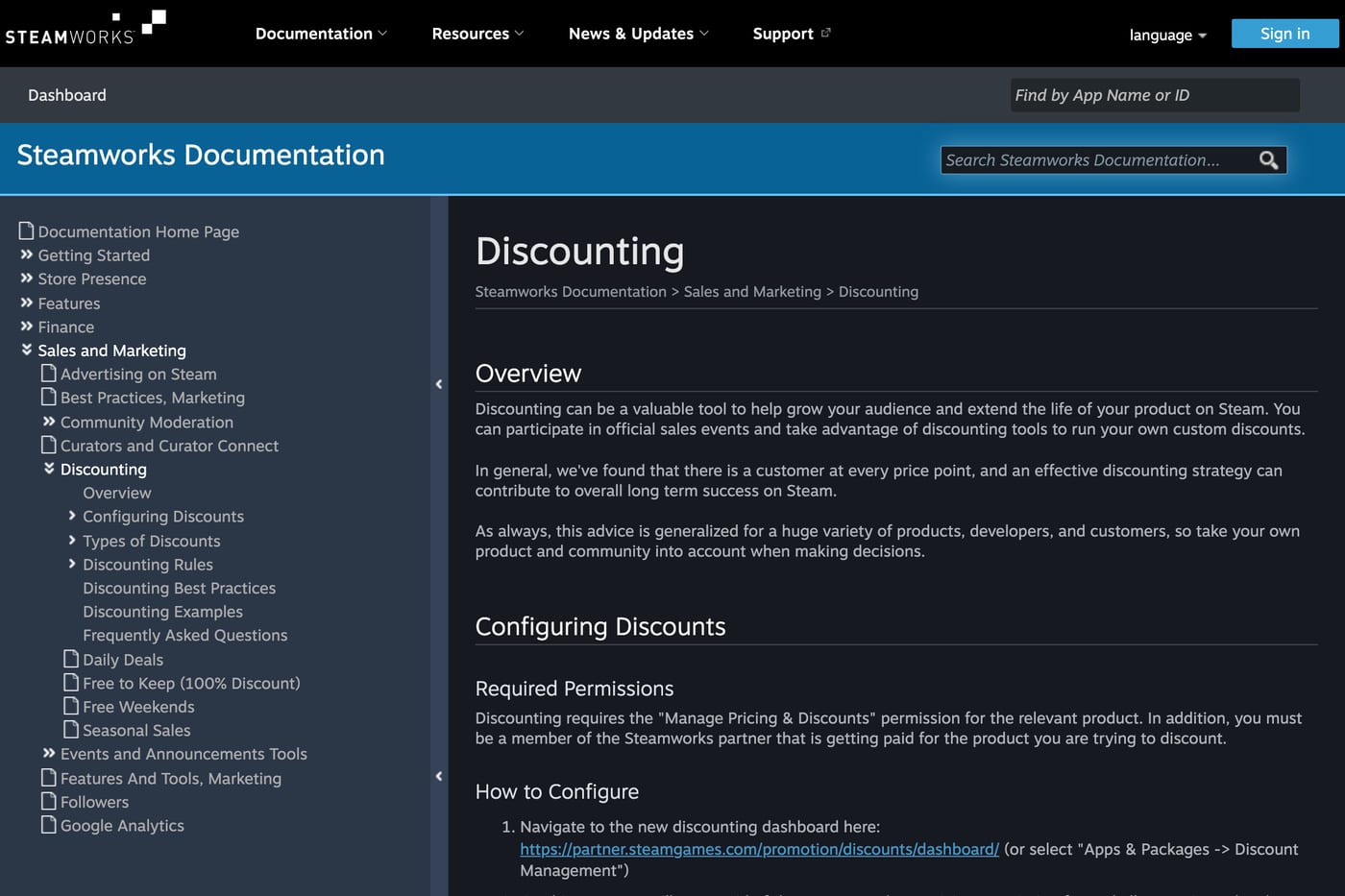
Valve also notes that players who wishlist "two years ahead of release can be just as likely to purchase" as those who wishlist two weeks out. Early wishlists are not wasted, which is why the plan starts with the store page.
The seasonal sale rule has one exception worth putting in the plan. Parcel Simulator launched on June 20, 2025, six days before the Steam Summer Sale, and its solo developer then asked Valve through the support tool to take part. Chris Zukowski reports that the game stayed on sale from June 20 through July 10, about 20 days of discount instead of 7 to 14. If your date sits just before a seasonal sale, add "ask Valve about the sale" as a task with an owner.
Step 3: the phase plan, month by month
Months are counted from launch (M0). The wishlist shares are an example split for the 20,000 goal above, not a benchmark. Replace them with your own.
| Phase | Months | Wishlist goal (cumulative) | Channels | Owner | Budget lines | KPIs to check weekly |
|---|---|---|---|---|---|---|
| 1. Steam page | M-12 to M-10 | 2,000 | Steam page, announcement trailer, one social account | Marketing lead | $100 Steam app fee, capsule art, trailer edit | Wishlists per day, page visits to wishlist rate |
| 2. Find the hook | M-9 to M-6 | 6,000 | Short-form video tests, Reddit posts, devlog | Marketing lead + one dev for clips | Clip editing hours, small ad test | Which clip angle gets saves and comments, wishlists per post |
| 3. Demo and Next Fest | M-6 to M-3 | 12,000 | Steam demo, Next Fest, creators, press preview | Producer (demo build), marketing lead (outreach) | Demo polish sprint, creator keys or campaign, PR list | Demo players, median playtime, wishlists during Fest week |
| 4. Date lock | M-3 to M-1 | 17,000 | Release date trailer, creators, press, Discord | Marketing lead | Trailer, creator campaign, press kit | Wishlists per day, Personal Calendar placement, follower count |
| 5. Launch month | M0 | 20,000 at launch, then sales | Launch trailer, creators, community, launch discount | Whole team, one person on reviews and bugs | Launch discount (lost revenue), ad budget if any | Week 1 units vs plan, review score, refund rate |
| 6. After launch | M+1 to M+3 | Sales, not wishlists | First discount, seasonal sale, content update | Producer (update), marketing lead (sale assets) | Update dev time, sale capsule art | Units per week, wishlist conversion, review count |
A few notes on each phase.
Phase 1. The store page goes up when art direction and the core loop are settled, because Valve warns early wishlisters may be confused if the game changes a lot. The KPI here is page quality: if visits do not turn into wishlists, more traffic will not help. Expect this phase to be slow. Parcel Simulator's page went live in May 2023 and reached about 7,000 wishlists by February 2025, roughly 11 a day, mostly from festivals (How To Market A Game).
Phase 2. This is the cheapest time to be wrong. Post short clips of different angles of the game and keep whichever one people react to. Zukowski reports paid ads in his experience produce about 1 wishlist per $1; that is one marketer's observation, useful as a ceiling check on any ad line in your budget.
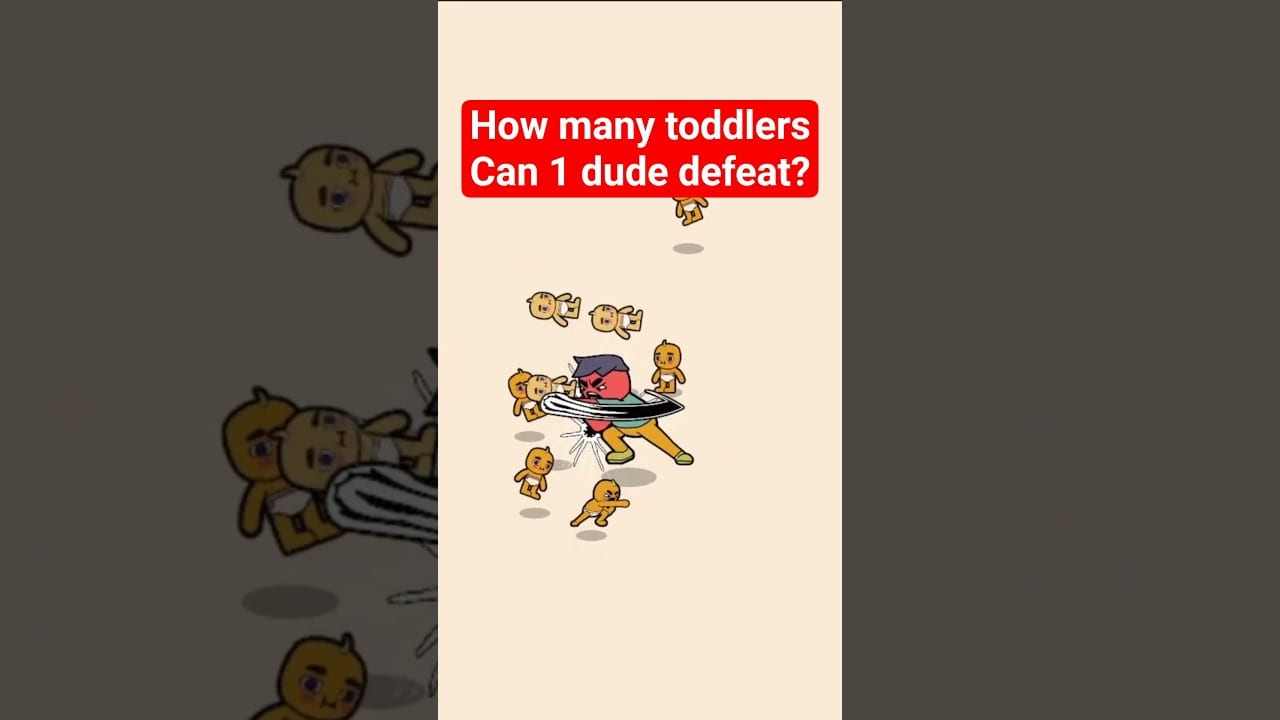
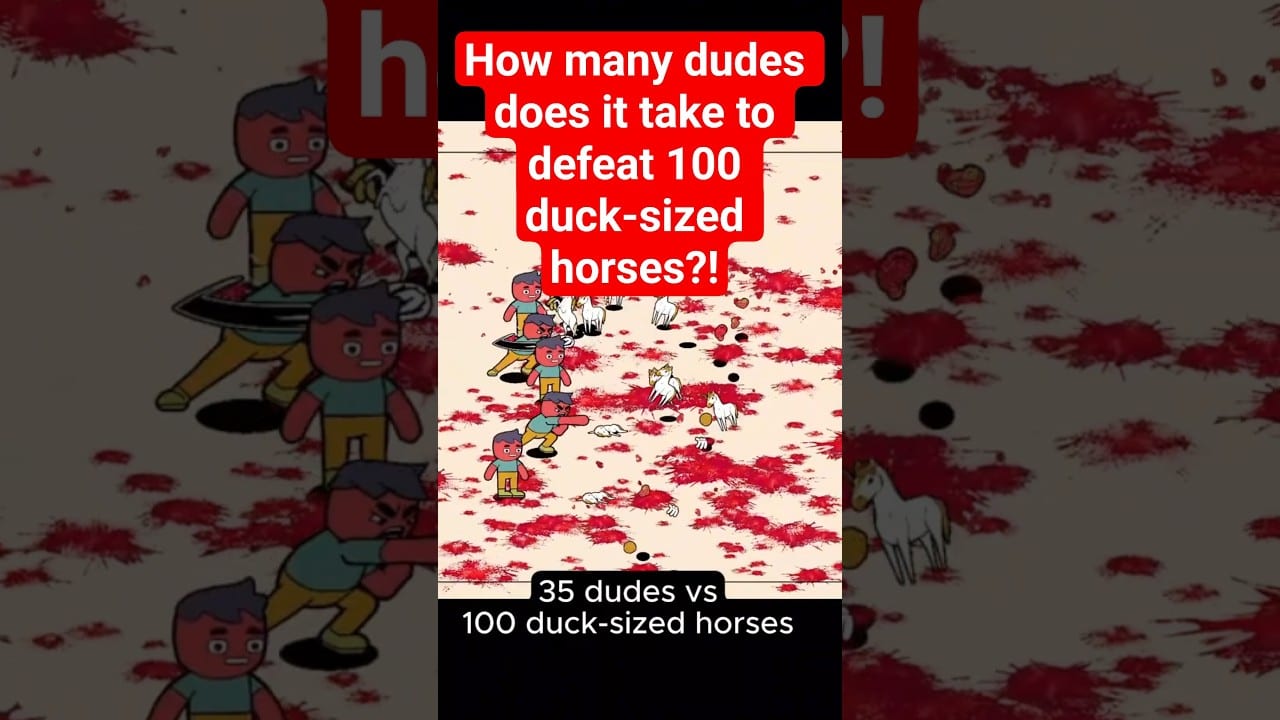
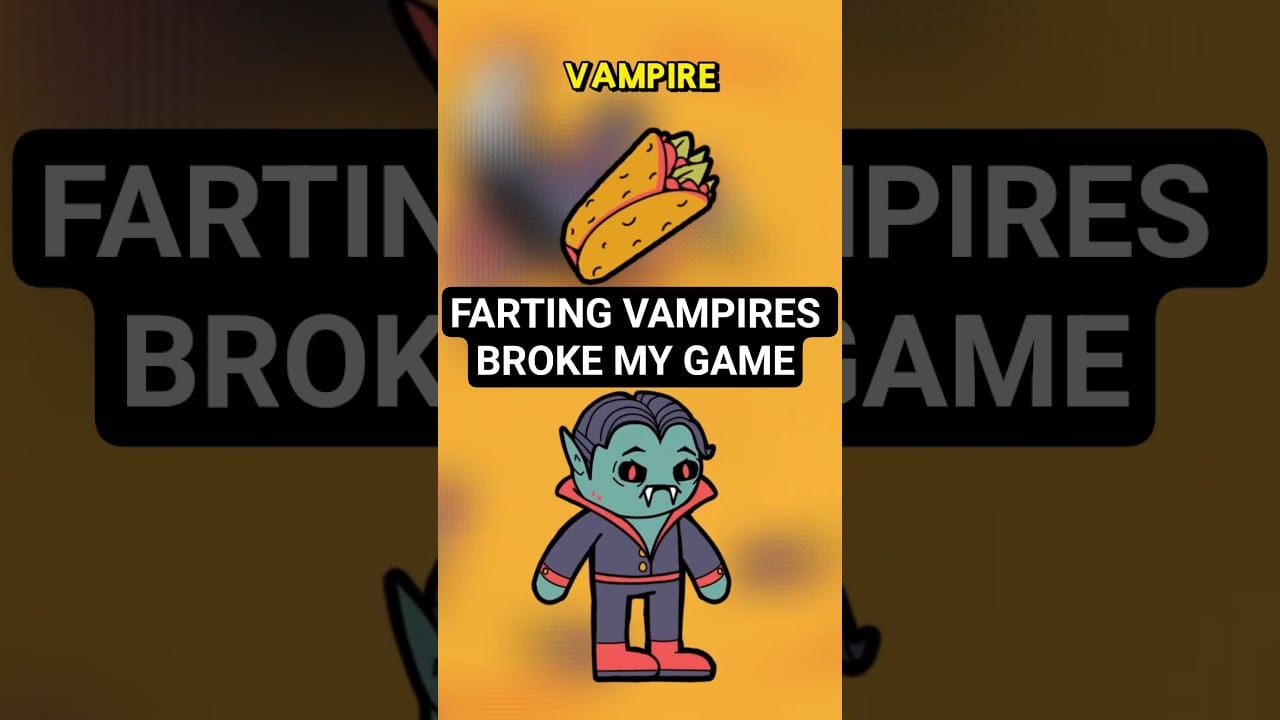
Example: one How Many Dudes Short in November 2025 drew 941,000 views in a week and more than 2,000 wishlists (details in the filled-in example below). Not every channel pays off: Void Miner's developer counted about 100 wishlists from Reddit after posts were pulled and he was banned several times (How To Market A Game). Log the wishlists per post for each channel so you know which line to cut.
Phase 3. Next Fest is the phase. Since a game gets one Next Fest only, schedule it when the demo is your best possible first impression, not the earliest you could ship one. If you are planning from November 2026, the June 2027 edition is the realistic target. Prep details are in Steam Next Fest marketing.
What a Next Fest row looks like in real plans, as reported by the developers:
| Game | Demo timing | Wishlists before | Gained during Next Fest | Source |
|---|---|---|---|---|
| Parcel Simulator (Feb 2025) | Demo launched on the first day of the Fest | Under 10,000 | About 10,000 (he had planned for about 1,500) | How To Market A Game |
| LORT (Oct 2025) | Demo two weeks before; +23,000 wishlists before the Fest started | 68,000 | About 17,000 | How To Market A Game |
| Desktop Defender (Oct 2025) | Demo two hours before the Fest, page about 3 months old | About 200 | About 20,000 | How To Market A Game |
| How Many Dudes (Feb 2026) | Demo out since December 2025 | About 150,000 | About 6,000 | Developer timeline |
| Void Miner | Demo released soon after the page | Not stated | About 1,400 | How To Market A Game |
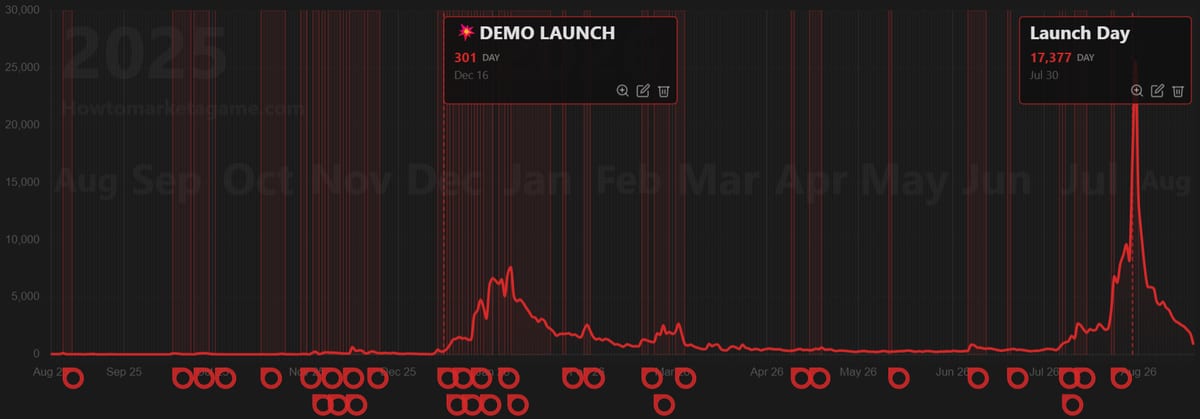
The spread is the lesson: the same event gave 1,400 to one game and 20,000 to another, so put a conservative number in the plan and update it after Fest week. Note too that How Many Dudes got most of its pre-launch wishlists from the demo itself, not from Next Fest: it went from 7,624 wishlists before the December 2025 demo to 150,292 at the end of January 2026, helped by a Trending Free placement during the Winter Sale.
Phase 4. Lock the date only after you know your wishlist pace. If you are far short of the number from Step 1, moving the date is cheaper than launching under it. Zukowski's observations put calendar-listed games more than a month out at roughly 400 to 800 wishlists per day; numbers close to launch (1,000 to 3,000 per day) are early estimates from a single game, so do not build your plan on them. This is also where creator campaigns usually fit, since short-form views turn into wishlists you can measure (how influencer marketing works for indie games).
Date changes are normal in this phase. When Hollow Knight: Silksong was dated for September 4, 2025, Panik Arcade moved CloverPit from September 3 to September 26, and Ysbryd Games moved Demonschool from September 3 to November 19, saying a release next to Silksong would not benefit the game (Aftermath). The developer of The Horror at Highrook writes that he delayed launch by a couple of months to line it up with a Steam festival, and launched with about 40,000 wishlists. For outreach timing, The Game Bakers emailed about 400 creators one week before the October 2025 Next Fest for Cairn, which they described as late enough to avoid the bulk of festival emails and early enough not to be forgotten (How To Market A Game).
Popular Upcoming can show up as a visible step in the wishlist line. Void Miner spent two days on it and gained about 6,000 net wishlists, most of its 8,449 at launch (How To Market A Game).
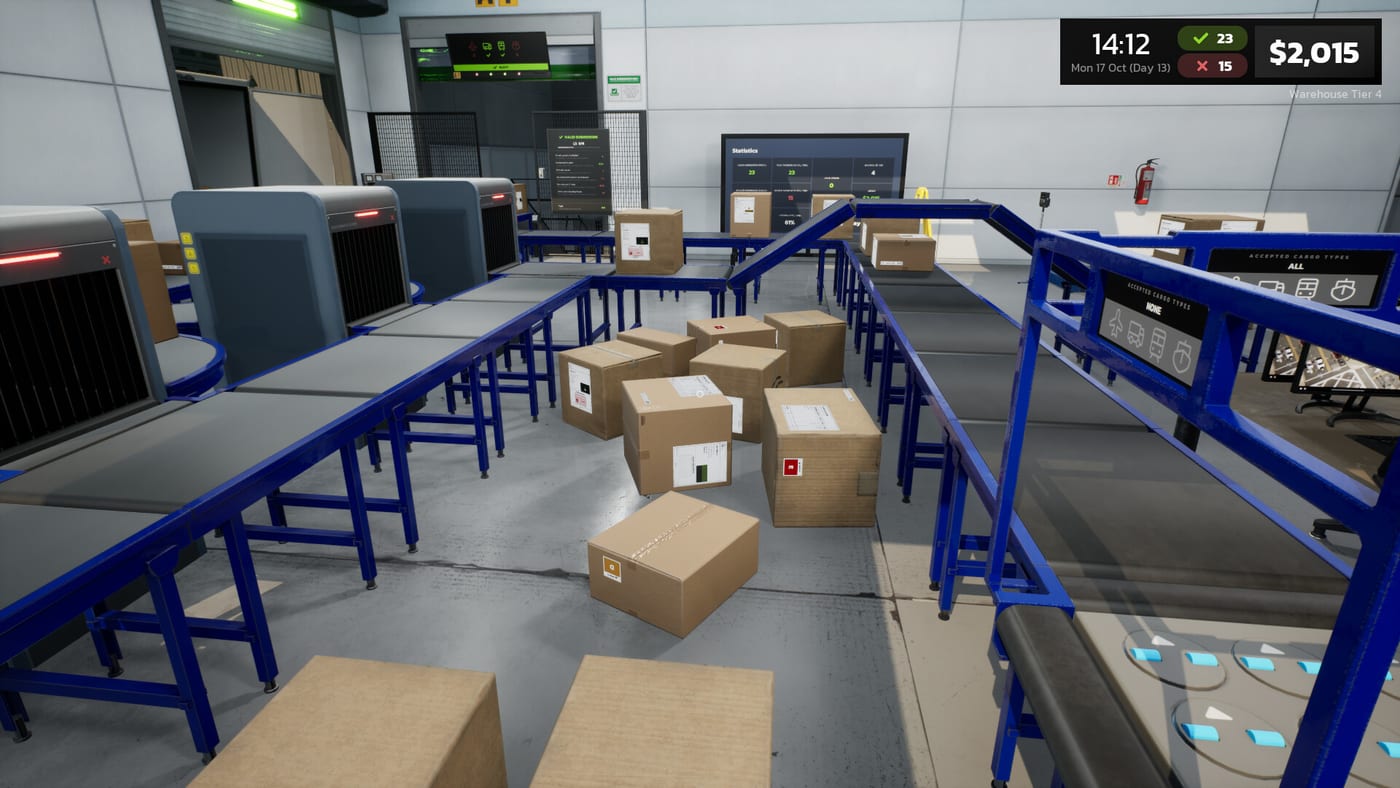
Phase 5. The launch email goes to every wishlister automatically. Your job is to make the store page, trailer and first reviews hold up when that traffic arrives. Compare Week 1 units to the plan by day three, not day seven. For scale: Parcel Simulator, with over 42,000 wishlists, reported 10,000 units in 24 hours and 50,000 in two weeks.
Phase 6. The 30 day cooldown means your first discount lands in month two. A discount of 20% or more triggers another wishlist email, so the first post-launch discount is a second launch for everyone who did not buy. Pair it with a content update so press and creators have something new to show.
Step 4: copy this template
Paste this into a doc or spreadsheet. One row per phase, one sheet per game.
| Phase | Months | Dates (from / to) | Wishlist goal (cumulative) | Secondary goal | Channels (max 3) | Owner | Budget line | Budget ($) | KPI | Where to read it | Status |
|---|---|---|---|---|---|---|---|---|---|---|---|
| 1. Steam page | M-12 to M-10 | | | Page live | | | App fee, capsule, trailer | | Visits to wishlist rate | Steamworks UTM / traffic report | |
| 2. Hook | M-9 to M-6 | | | Winning clip angle | | | Clip editing, ad test | | Wishlists per post | Steamworks wishlist report | |
| 3. Demo + Next Fest | M-6 to M-3 | | | Demo players | | | Demo sprint, outreach | | Wishlists in Fest week | Steamworks wishlist report | |
| 4. Date lock | M-3 to M-1 | | | Press and creator coverage | | | Trailer, creators, PR | | Wishlists per day | Steamworks wishlist report | |
| 5. Launch | M0 | | Launch target | Week 1 units | | | Launch discount, ads | | Units vs plan, review score | Steamworks sales report | |
| 6. Post-launch | M+1 to M+3 | | n/a | Units per week | | | Update, sale assets | | Conversion, review count | Steamworks sales report | |
Two rules keep the sheet honest. First, every KPI must be something you can read without asking anyone, which in practice means a Steamworks report or a UTM link. Second, review the sheet weekly and write the actual number next to the goal. A plan you only look at once a quarter is a wish, not a plan.
Filled-in example: How Many Dudes
Here are the first columns filled with real numbers from Butterscotch Shenanigans' public timeline. The wishlist column is the actual month-end count the developers published, which is exactly what your "actual" column should look like after each weekly review. Their schedule was shorter than the 12 month example above.
| Phase | Dates | Wishlists at end (actual) | What they did | Result they reported |
|---|---|---|---|---|
| 1. Steam page | Aug 8 to Aug 31, 2025 | 515 | Store page live after a game jam prototype | Slow start, as expected |
| 2. Hook | Sep to Nov 2025 | 6,378 | YouTube Shorts from September 17, a Next Indie tweet, keys to about 30 creators | One Short: 941,000 views, 2,000+ wishlists |
| 3. Demo + Next Fest | Dec 2025 to Mar 1, 2026 | 182,199 | Demo on December 17, localization update in January, Next Fest in February | 150,292 by end of January; about 6,000 from Next Fest |
| 4. Date lock | Apr to Jul 29, 2026 | 300,000+ | Date set in April for July 30, new capsule art, launch trailer on July 23 | Capsule CTR up 40.4% on average; Popular Upcoming on July 27 |
| 5. Launch | Jul 30, 2026 | 308,101 at launch | 35% launch discount, under $10 | 173,000 Steam units in Week 1 |
Budget lines: what to put in, what to leave blank
There is no reliable public benchmark for what an indie game "should" spend, because spend depends on genre, team size and what you do in house. List the lines anyway, so nothing is a surprise:
- Fixed platform costs: the $100 Steam app fee, recoupable once the game makes $1,000 in adjusted gross revenue.
- Assets: capsule art, trailers (announcement, demo, release date, launch), screenshots, press kit.
- Paid reach: ads, creator campaigns, sponsored placements. Set a cost per wishlist ceiling before you spend, then compare each channel against it.
- Events: festival fees, travel, booth costs. Only include events with a clear wishlist or press goal.
- Hidden costs: the revenue you give up with the launch discount, and developer hours spent on demos and trailers instead of the game.
Two small real budgets for reference. Parcel Simulator's developer handled creator keys through Keymailer's $25 a month plan with manual approval (How To Market A Game). Void Miner's campaign is described as zero cost apart from contracted music and capsule art, with creators and festivals driving most of its wishlist spikes (How To Market A Game). Both still had every line on the list above: the zero lines were paid in the developer's hours.
FAQ
What should an indie game marketing plan include?
A launch goal in wishlists, phases from Steam page to a few months after launch, and for each phase: channels, one owner, a budget line and a KPI you check weekly. Fixed Steam dates like Next Fest and discount rules should anchor the calendar.
How far before launch should a game marketing plan start?
Most plans start when the Steam page goes up, ideally months before launch. Valve recommends publishing the Coming Soon page as soon as you are ready to talk publicly and requires at least two weeks before release.
How many wishlists do I need at launch?
Divide your Week 1 sales target by a realistic conversion rate. GameDiscoverCo's median is 0.15x for games launching with 25,000+ wishlists and 0.10x for those priced above $10, with a very wide spread around it.
When can I discount my game after launch?
Only the launch discount (up to 40%, 7 to 14 days) is allowed in the first 30 days. After that, you need 30 days between discounts, and you can join seasonal sales once the release cooldown has passed.
What KPIs should I track in a game marketing plan?
Wishlists per day and cumulative wishlists before launch, plus page visits to wishlist rate. After launch, track Week 1 units against plan, review score and wishlist conversion.
Do wishlists boost my game in the Steam algorithm?
Valve says wishlists "can be an important factor" in where a game appears, and that Steam is personalized per player. What is certain is that wishlisters get an email at launch and at discounts of 20% or more.
Sources: Steamworks: Wishlists, Steamworks: Coming Soon, Steamworks: Discounting, Steamworks: Steam Next Fest, Steamworks: Upcoming events, Steamworks: App fee, GameDiscoverCo: The state of Steam wishlist conversions, How To Market A Game: How many wishlists should I have when I launch, Butterscotch Shenanigans: How Many Dudes timeline, How To Market A Game: Parcel Simulator, How To Market A Game: October 2025 Next Fest, How To Market A Game: Void Miner, Bramble Royale launch retro, Highrook postmortem, Aftermath: Silksong delays; checked November 2026.
Get a wishlist forecast for your game
Send us your Steam page. We estimate views, creators and cost per wishlist before you spend anything.
Keep reading
How Many Copies Do Indie Games Sell? Real Steam Numbers by Tier
Most Steam indie games sell under 1,000 copies. Real numbers by tier…
Game Marketing Hook: How to Find, Test and Show Yours
What a game marketing hook is, how to test one cheaply with…
How to Name Your Game: Searchable, Memorable and Legally Safe
How to name your game: pass the Steam, Google and trademark checks…