How to Market a Game on Steam: A Stage by Stage Plan
How to market a game on Steam, from store page to launch week and beyond, with links to a detailed guide for every stage.
Short answer: to market a game on Steam, build a store page that converts, collect wishlists for months before launch, and get your game in front of new players where they already spend time, which today means short-form video from creators. Then time everything around the moments Steam gives you: a demo, a festival, the launch and your first discount. This guide walks through each stage and links to a deeper guide for every step.
Stage 1: a store page worth sending people to
Every post, video and ad you run ends on your Steam page. If it doesn't convert, more traffic only wastes more money.
- Capsule art is the first thing players see in search results, recommendations and wishlist emails. The rules and sizes are in Steam capsule art: sizes, rules and what works.
- Screenshots and trailer should show real gameplay in the first seconds. Valve asks for screenshots that show only gameplay (Steamworks asset docs).
- Tags decide who Steam shows your game to (tagging docs).
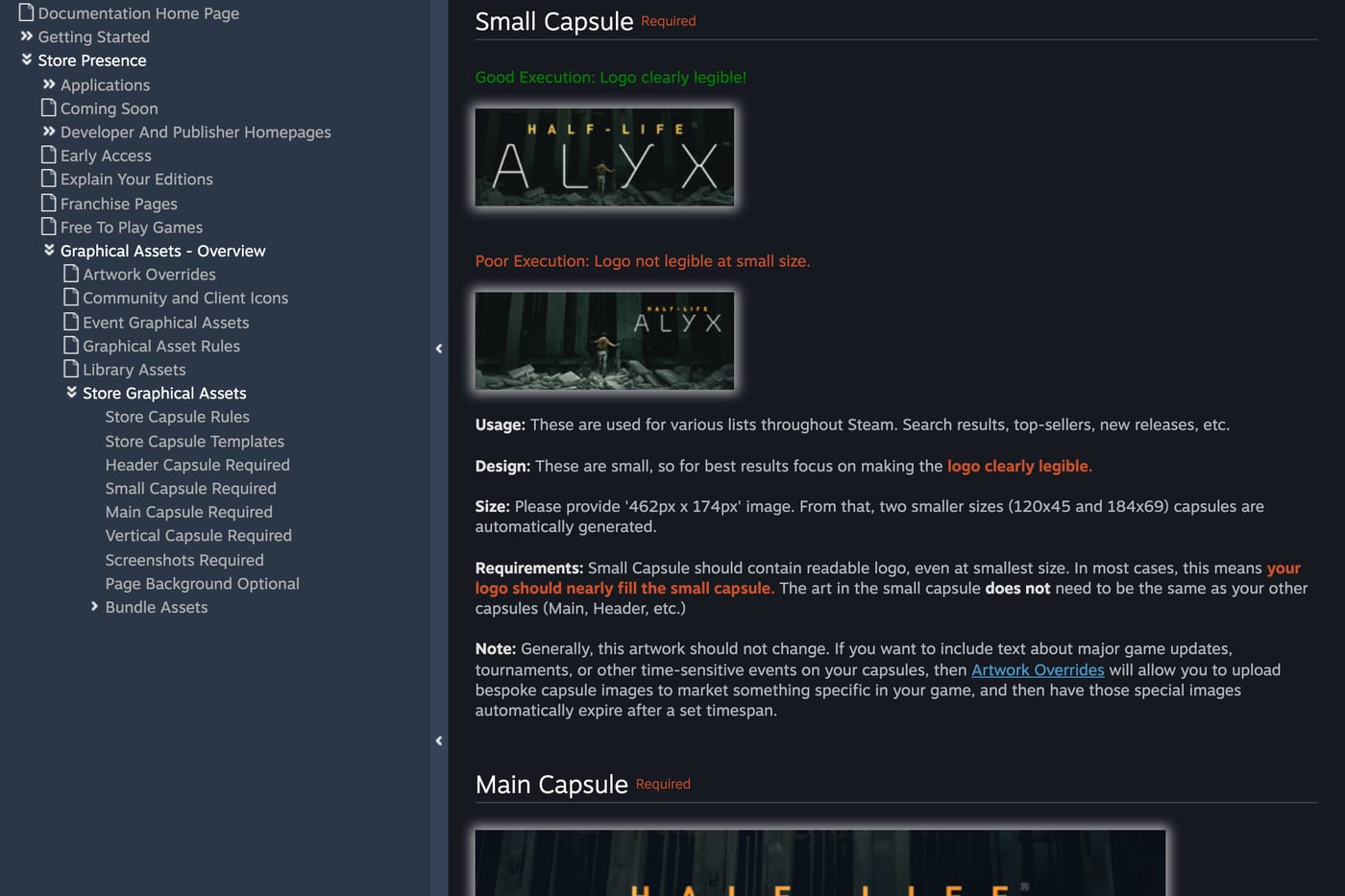
Every requirement, with Valve's limits, is in the Steam store page checklist. Ask someone who has never seen the game to look at the page for five seconds and say what it is. If they can't, fix that before you spend anything on marketing.
Stage 2: wishlists, months before launch
Wishlists are the number that matters before release. On launch day Steam emails or notifies everyone who wishlisted the game, and again on every discount of 20% or more (Steamworks wishlist docs).
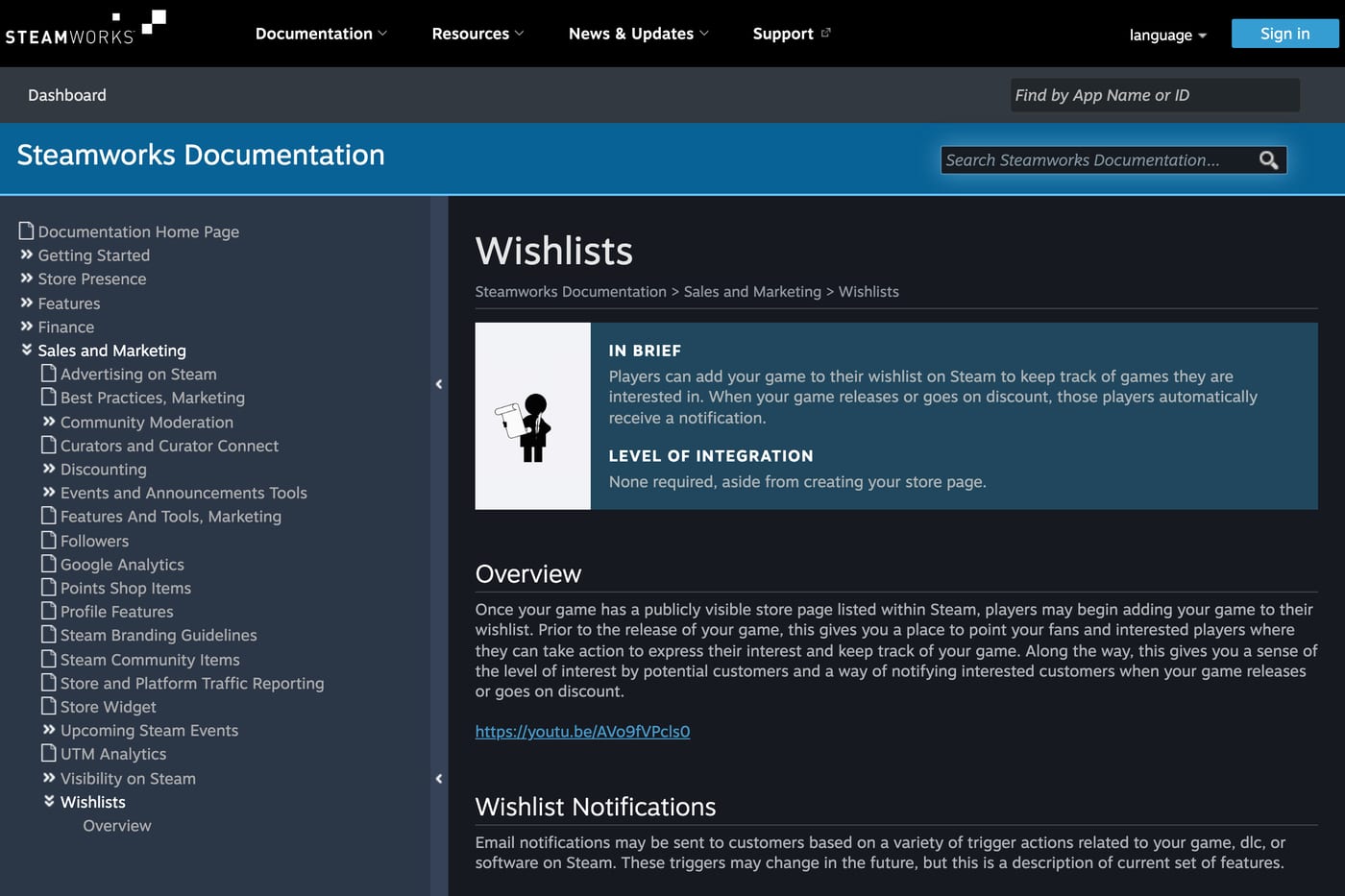
How to grow them is in how to get wishlists on Steam before launch. To know how many you have and how to estimate them for other games, see how to see how many wishlists a game has. To turn a wishlist count into a sales forecast, use the Steam wishlist calculator.
Start early. A release a year away is not too early, and every month gives you more time to learn which hooks work. How to find and test that hook is in game marketing hook.
Stage 3: creators and short-form video
Most players discover new games on TikTok, YouTube Shorts and Instagram Reels now. The fastest way to reach them is through creators who already have their attention.
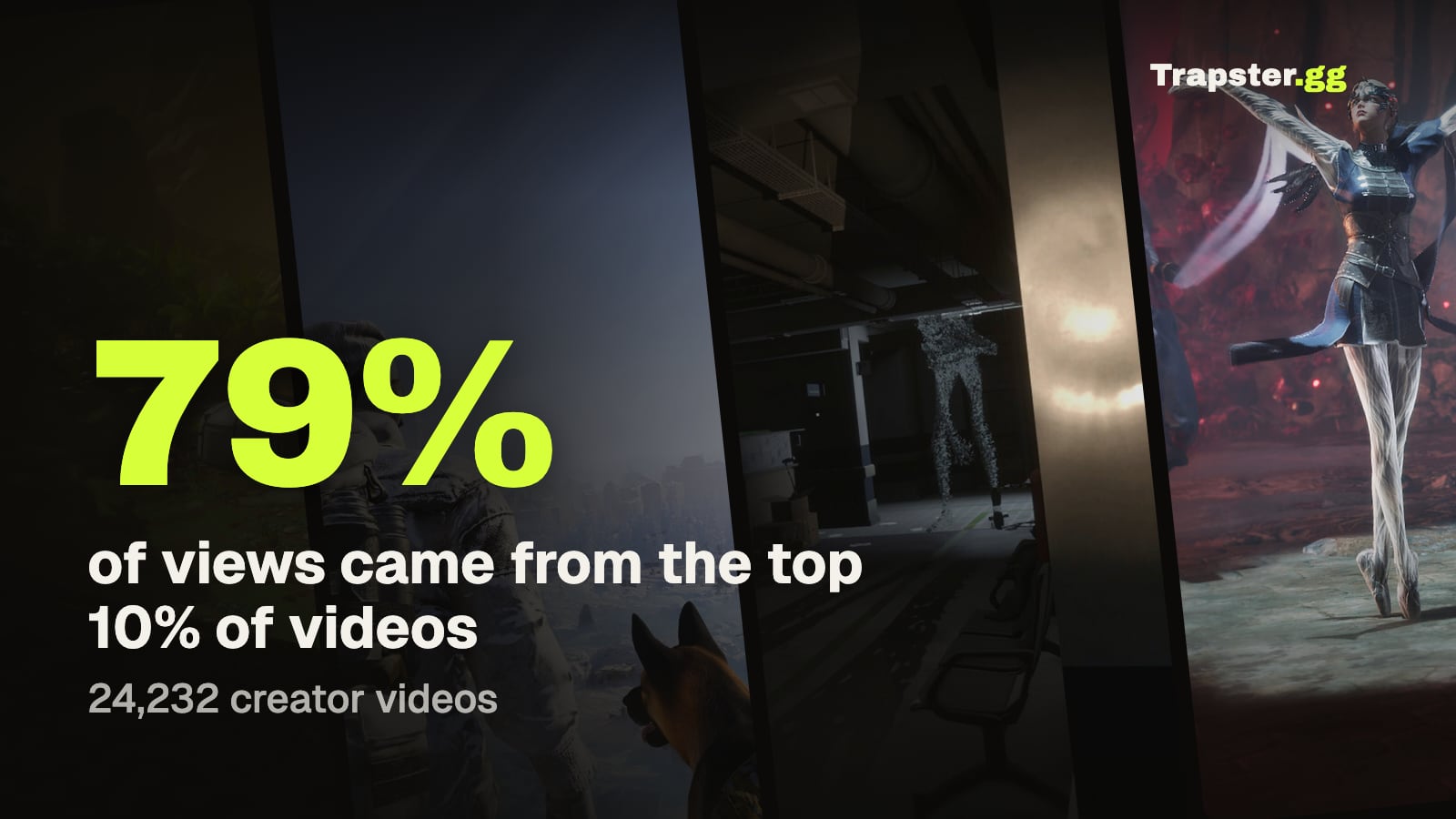
Across 24,232 short-form videos in 295 completed Trapster campaigns, the top 10% of videos brought 79% of all views, and the median video had about 1,600 views. You can't predict which video will take off, so the campaigns that work spread the budget across many creators. The median campaign had 37 creators and 68 videos.
Where to start:
- Influencer marketing for indie games, the practical overview.
- How to find gaming influencers for your game, including how to pick them.
- How to write a brief for gaming creators, with a template.
- How much game influencer marketing costs and cost per wishlist by genre, so you know what to expect.
- TikTok, YouTube Shorts or Instagram Reels, on where to post.
If you only send out keys, see how to distribute game keys for how key tools compare with paid campaigns, and Steam curators and Curator Connect for Valve's free option.
Stage 4: moments players can act on
Marketing works harder when there is something to do today. A demo, a festival slot or a release date gives a viewer a reason to wishlist now instead of later.
Put the moment and the push in the same week. A demo going live while creators post about it beats both of them spread over a month.
Stage 5: launch week
Release day is when every wishlist turns into a notification. What happens in the following seven days decides how many become players. The plan is in how to market your Steam launch week, and what share of wishlists usually buy is in Steam wishlist conversion rate.
Stage 6: after launch
A released game still has tools: discounts after the 30 day cooldown, update visibility rounds and creator campaigns timed to both. Examples are in how to boost sales of a game that's already out and how to combine a Steam discount with a creator campaign.
Measure every step
Check Steamworks daily during any push and write down what went live that day. The method is in how to measure wishlists from a creator campaign. Without it you can't tell which part of your plan worked.
Marketing by situation
- Small budget: how to market an indie game on a small budget. Real studio budgets are in indie game marketing budget.
- No audience yet: how to market an indie game with no audience.
- Ads or creators: paid ads vs creator campaigns.
- Agency or platform: game marketing agency or platform.
- By genre: horror, co-op and simulator games.
- Beyond English: should your indie game work with non-English creators.
- Languages and prices: game localization on Steam and Steam regional pricing.
- Early Access: Steam Early Access: rules and how to market it.
- Calendar: Steam sale dates 2027 and indie game festivals 2027.
- Costs: Steam fees for developers.
- Your own channels: how to make a devlog that gets wishlists and game press kit.
- Before launch: when to make a Steam page, the Steam launch checklist and how to pitch a publisher. A month by month template is in game marketing plan.
- How Steam works: the Steam algorithm, Steam tags, Steam reviews and pricing.
- Assets and ads: how to make a game trailer, indie game website and paid ads for indie games.
FAQ
How do I market my game on Steam? Fix the store page first, then collect wishlists for months before launch with short-form video from creators, a demo and festivals. Time a creator push to launch week and to your first discount after it.
When should I start marketing my game? As soon as you have a Steam page and gameplay worth showing. Wishlists take months to build, and a release a year away is not too early.
What is the most effective way to market an indie game? In our data, creator campaigns where many creators post in the same few days. A few videos bring most of the views, so the number of creators matters more than any single pick.
How much does it cost to market a game? It depends on the channel. On Trapster's short-form creator campaigns, the median cost was $0.49 per Steam wishlist, and campaigns start at $3,000.
Sources: Steamworks documentation on store assets, tags and wishlists. View figures come from 24,232 short-form videos in 295 completed Trapster campaigns.
Get a wishlist forecast for your game
Send us your Steam page. We estimate views, creators and cost per wishlist before you spend anything.
Keep reading
How Many Copies Do Indie Games Sell? Real Steam Numbers by Tier
Most Steam indie games sell under 1,000 copies. Real numbers by tier…
Game Marketing Hook: How to Find, Test and Show Yours
What a game marketing hook is, how to test one cheaply with…
How to Name Your Game: Searchable, Memorable and Legally Safe
How to name your game: pass the Steam, Google and trademark checks…