When to Make a Steam Page for Your Game
When to put up your Steam Coming Soon page, what Valve says about early wishlists, the risks of going too early and a practical rule.
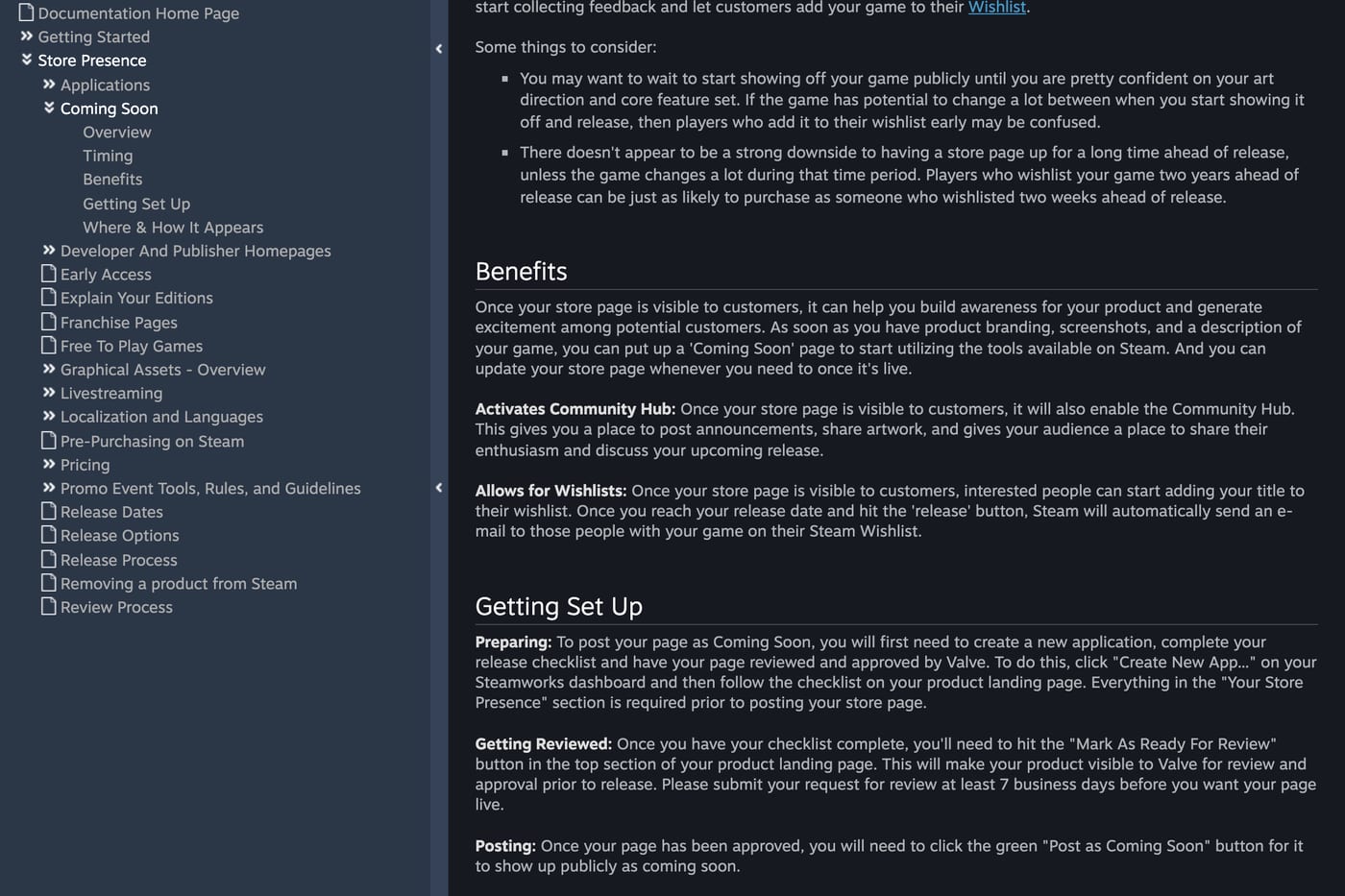
Short answer: make your Steam page as soon as you're ready to talk about the game in public and your art direction and core features are settled. Valve's own advice is to publish the Coming Soon page "as soon as you are ready to start talking publicly about your game", and it says there "doesn't appear to be a strong downside" to a page being up for a long time, unless the game changes a lot in that period (Steamworks Coming Soon docs). For most indie games that means 6 to 12 months before launch, and earlier is usually better than later.
What Valve says
From the Coming Soon page docs and wishlist docs:
- Publish early. The first wishlist best practice is to put up a Coming Soon page as soon as you're ready and able.
- Early wishlists keep their value. Valve says players who wishlist two years before release can be just as likely to buy as those who wishlist two weeks before.
- One caution: wait until you're fairly confident in your art direction and core feature set. Early wishlisters may be confused if the game changes a lot.
- The minimum: the page must be live for at least two weeks before you can release.
Why earlier is better
Every month without a page is a month of lost wishlists
The page is what turns interest into a wishlist. Without it, a viral clip, a festival mention or a creator video sends people nowhere. On release day Steam emails everyone who wishlisted the game, so wishlists collected a year early still count on launch day.
You need time to find your hook
Most of what works in game marketing is learned by testing: which clip gets watched, which creator audience wishlists, which capsule converts. That takes months of posting with a page to send people to. Our data on creator videos shows how rare hits are: in 24,232 short-form videos, the top 10% brought 79% of the views (how to find gaming influencers). You need room for enough attempts.
Wishlists help most before launch
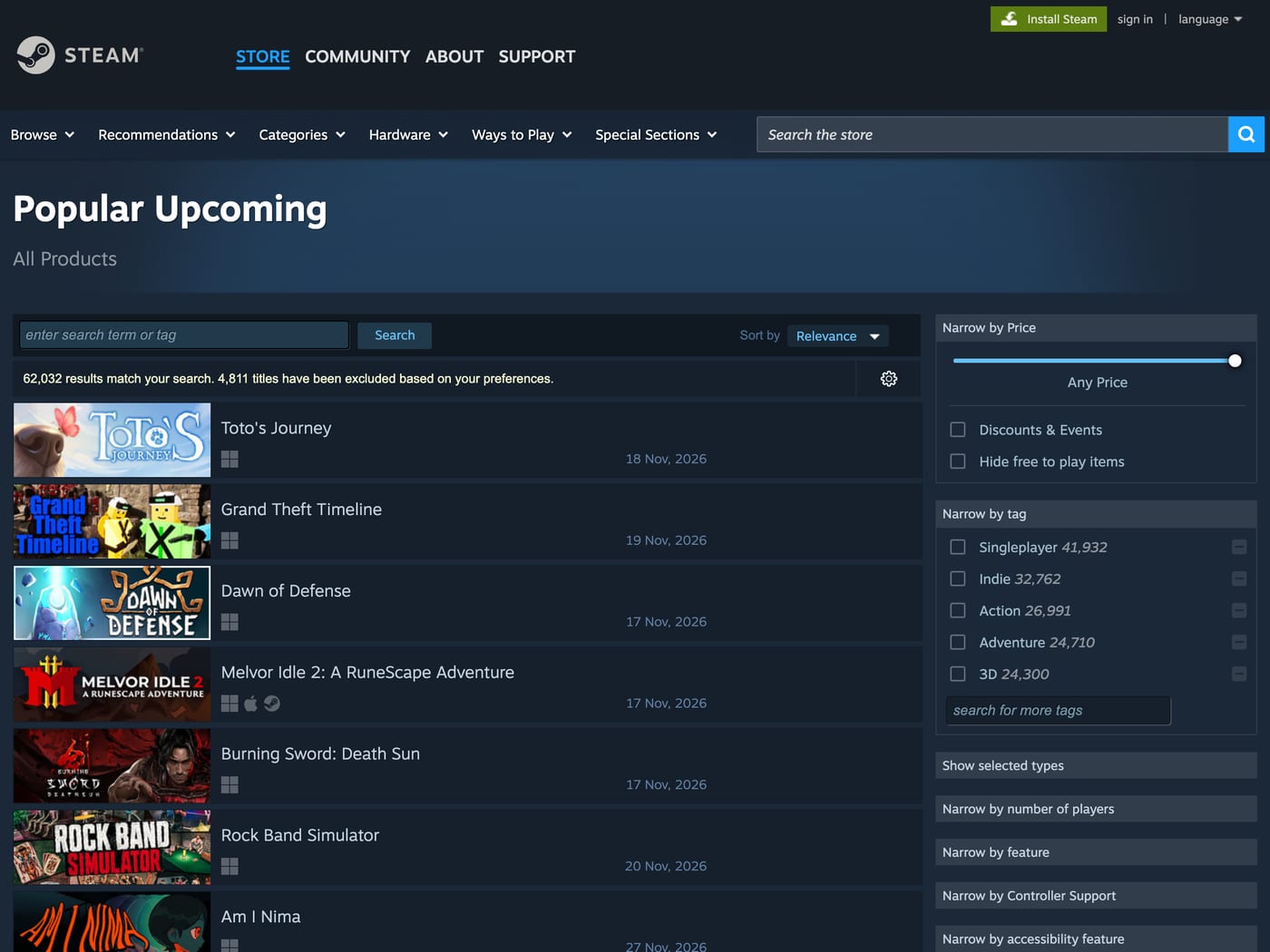
Valve says wishlists are not a factor in algorithmic visibility, "with a few exceptions like the Popular Upcoming tab" (visibility docs), and its wishlist docs add that they put your game in upcoming lists and featured spots for the players who wishlisted it (wishlist docs). Those surfaces matter before release, so a page that collects wishlists for longer has more time to get there. The newest one is the Personal Calendar, which needs a specific release date.
The case for waiting a bit
A page too early has real costs:
- The game changes a lot. If the art style or genre shifts, early wishlisters may not recognise what they signed up for.
- Nothing to show. A page with placeholder art and no gameplay converts poorly, and Valve's review checks that the page only shows features the game will have.
- A long gap with no news. A page that sits silent for two years can feel abandoned. Plan regular updates.
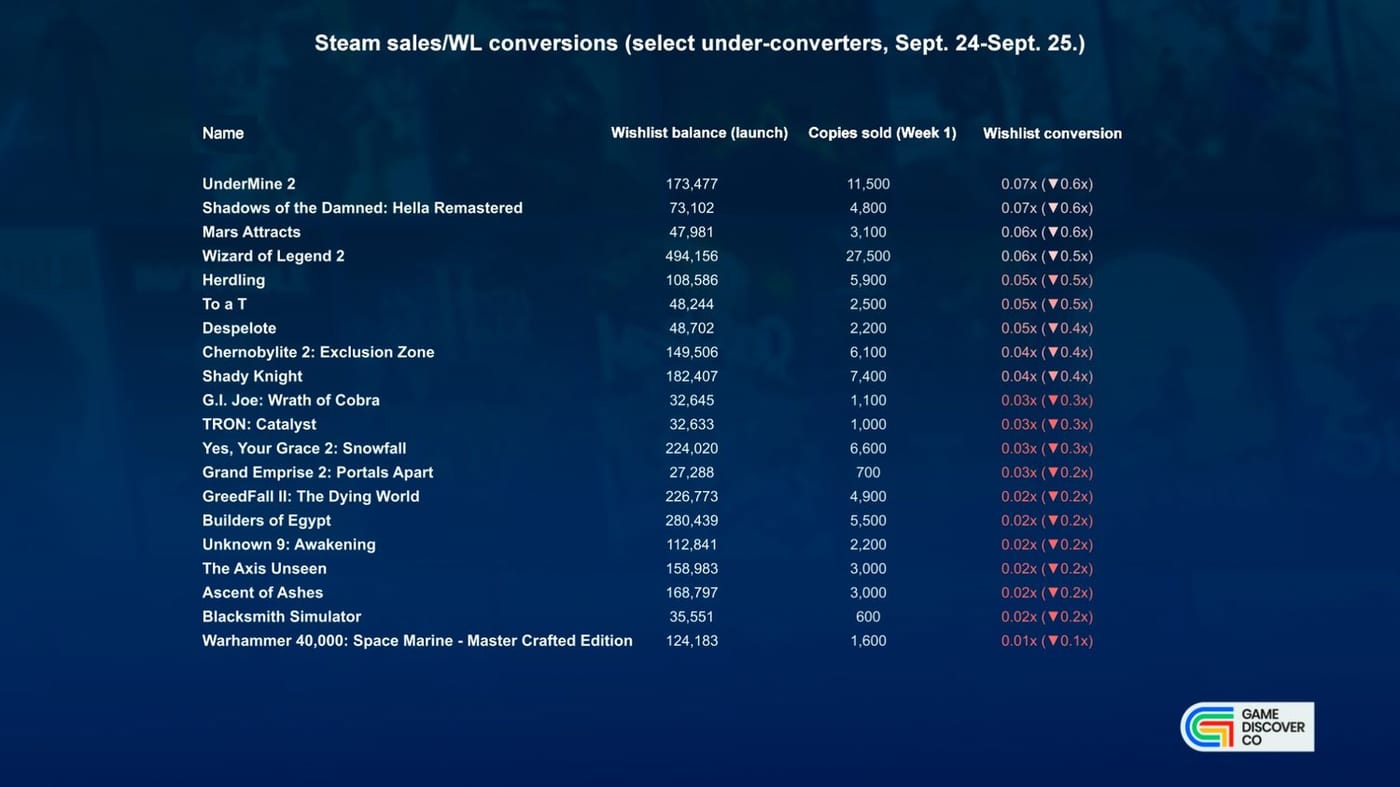
GameDiscoverCo found that games that under-converted at launch had spent an average of 411 days on Steam before launch, against 214 days for a hand-picked group of games that converted far better than expected (GameDiscoverCo, October 2025). That doesn't mean a long page hurts: the same analysis links the gap to weak organic wishlist growth and lower review scores. It does mean a page up for a long time is not enough on its own. You have to keep giving people reasons to wishlist.
A practical rule
Put the page up when all of these are true:
- You have at least 30 seconds of gameplay you'd show a stranger.
- The capsule art and logo are final, or close to it.
- You can describe the game in one sentence that won't change.
- You're ready to post about the game at least every week or two.
For most indie teams that lands somewhere between 6 and 12 months before launch. If you're planning a Next Fest demo, the page has to be public before the fest anyway.
How to set it up
- Finish Steamworks onboarding. The tax check can take up to 30 days (onboarding).
- Create the app and build the page. Everything Valve checks is in the Steam store page checklist.
- Submit for review at least 7 business days before you want it live. Review typically takes 3 to 5 business days (review process).
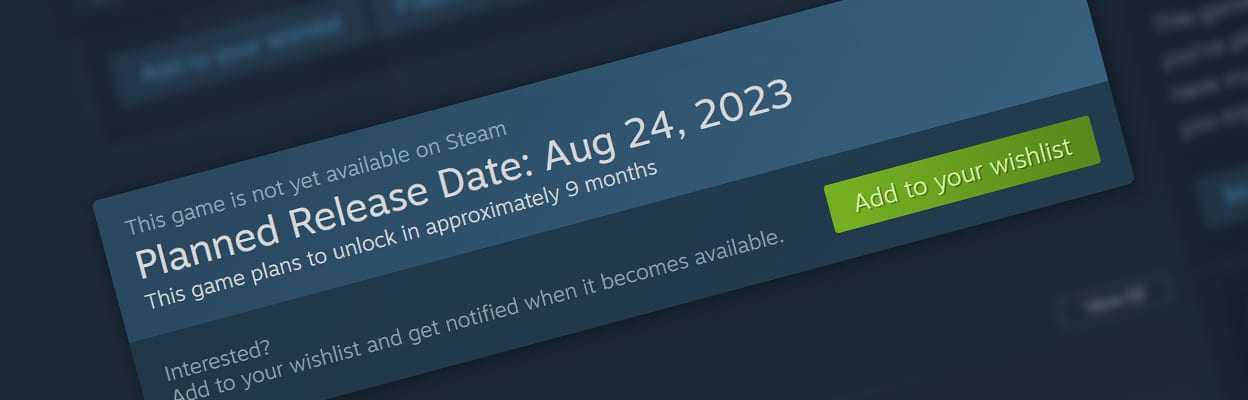
- Pick how to show the date. Exact date, month, quarter, year or just "Coming Soon". Games with no date sort behind games with a more specific date in upcoming lists (release dates).
- Click "Post as Coming Soon" once approved. That turns on wishlists and the community hub.
What to do once it's live
- Put the Steam link everywhere: bios, trailers, devlogs, press kit.
- Track wishlists weekly, as described in how to see how many wishlists a game has on Steam.
- Grow them with the methods in how to get wishlists on Steam before launch.
- Plan the rest with the Steam launch checklist.
FAQ
When should I make a Steam page for my game? As soon as you're ready to talk about the game publicly and your art direction and core features are settled. For most indie games, 6 to 12 months before launch.
Is it bad to have a Steam page up too early? Valve sees no strong downside to a long Coming Soon period, unless the game changes a lot in that time. The risks are a game that changes too much, or a page with too little to show.
Do early wishlists convert worse? Valve says players who wishlist two years before release can be just as likely to buy as those who wishlist two weeks before.
How long must a Steam page be live before release? At least two weeks.
Do wishlists help Steam's algorithm? A little, mostly before launch: Valve says they're not a factor in algorithmic visibility apart from a few exceptions like Popular Upcoming. Their main value is the email Steam sends wishlisters at launch and on discounts.
Sources: Steamworks documentation on Coming Soon pages, wishlists, visibility, onboarding, review process and release dates; GameDiscoverCo, October 2025. Video data from Trapster campaigns. Checked November 2026.
Get a wishlist forecast for your game
Send us your Steam page. We estimate views, creators and cost per wishlist before you spend anything.
Keep reading
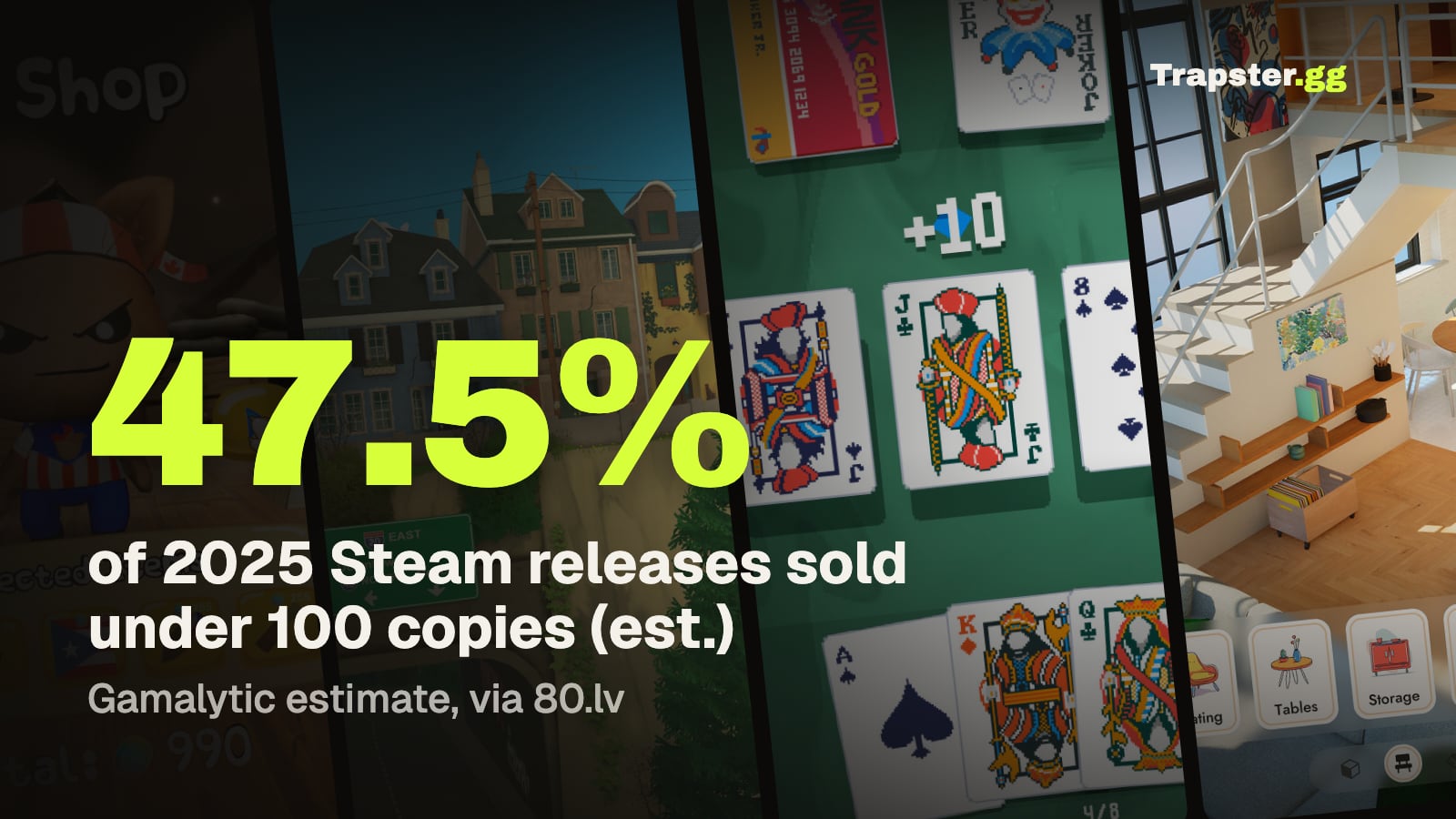
How Many Copies Do Indie Games Sell? Real Steam Numbers by Tier
Most Steam indie games sell under 1,000 copies. Real numbers by tier…
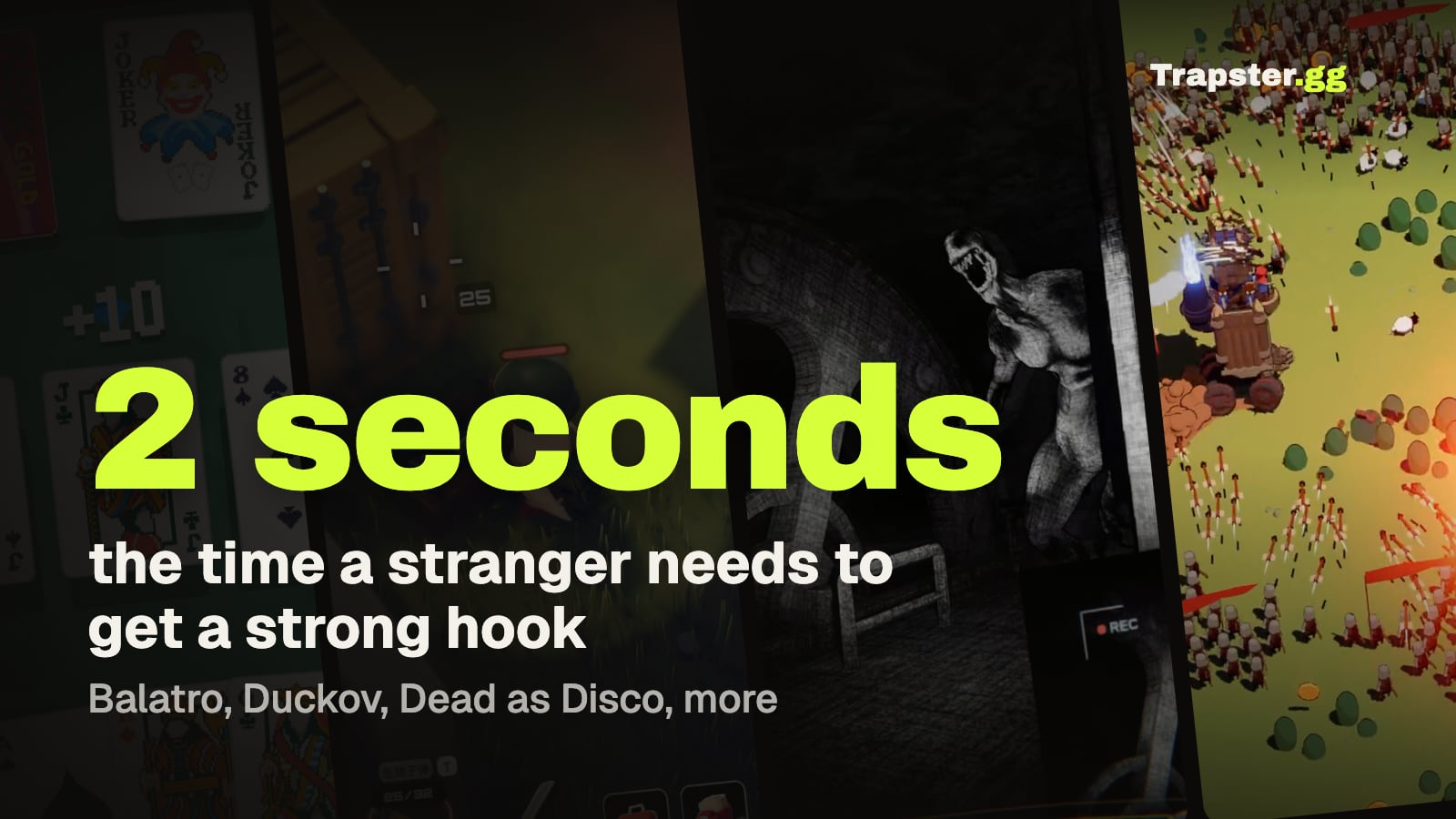
Game Marketing Hook: How to Find, Test and Show Yours
What a game marketing hook is, how to test one cheaply with…
How to Name Your Game: Searchable, Memorable and Legally Safe
How to name your game: pass the Steam, Google and trademark checks…