Steam Refunds for Developers: Policy, Rates and How to Reduce Them
Steam's 14 day / 2 hour refund rule, the 2024 Advanced Access change, how refunds hit your Steamworks revenue, typical refund rates and how to lower yours.
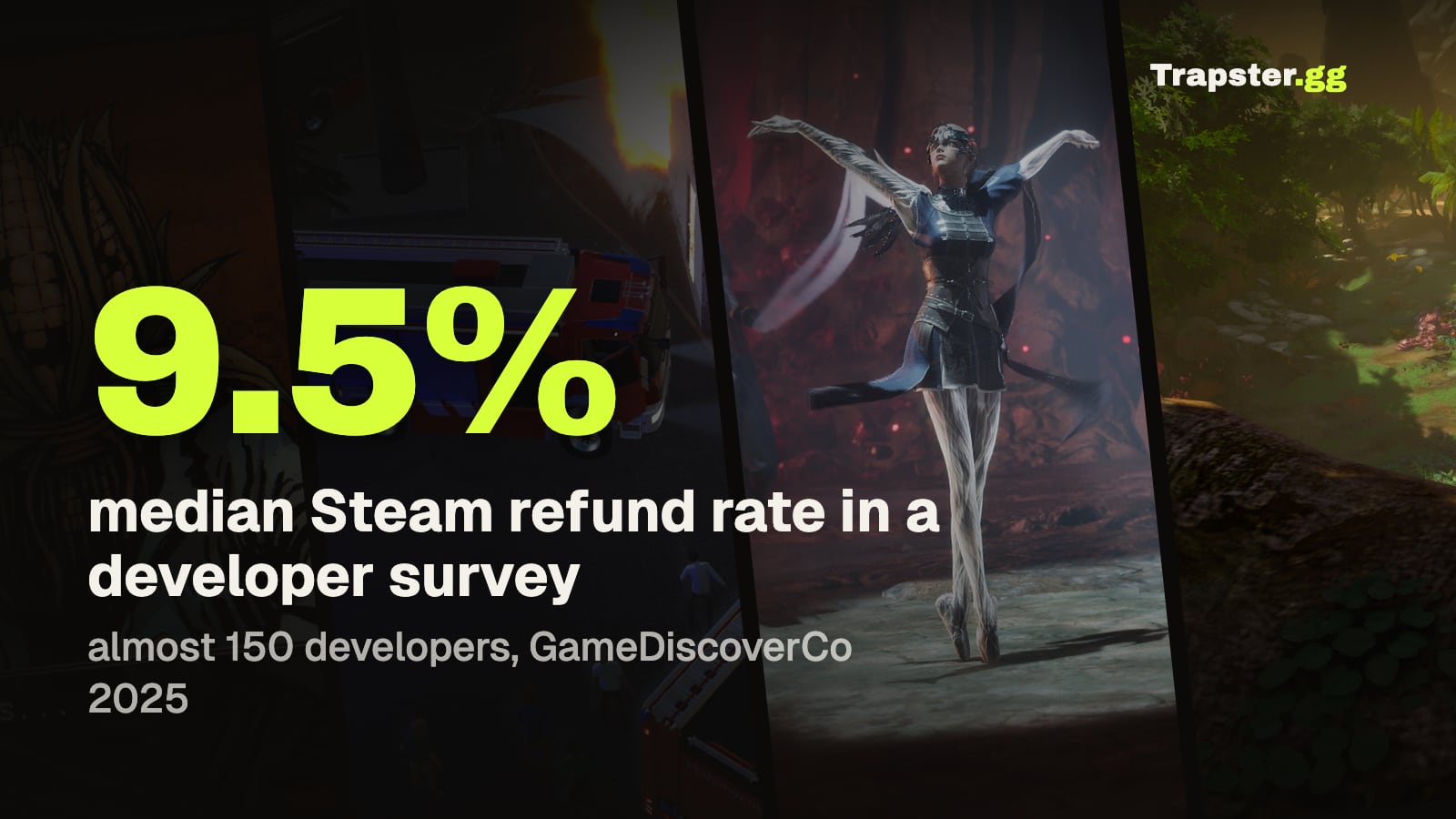
Short answer: Under the Steam refund policy, players can get a refund for almost any game within 14 days of purchase if they have played it for less than 2 hours, and Valve may review requests outside those limits. Since April 2024, playtime during pre-purchase Advanced Access counts toward the 2 hours. For developers, refunds come out of gross revenue before Valve's cut, and you can see the refund rate and the reasons players gave in Steamworks. A late 2024 GameDiscoverCo survey of almost 150 developers and publishers found a median lifetime unit refund rate of 9.5% and an average of 10.8%.
The Steam refund policy, as it stands in November 2026
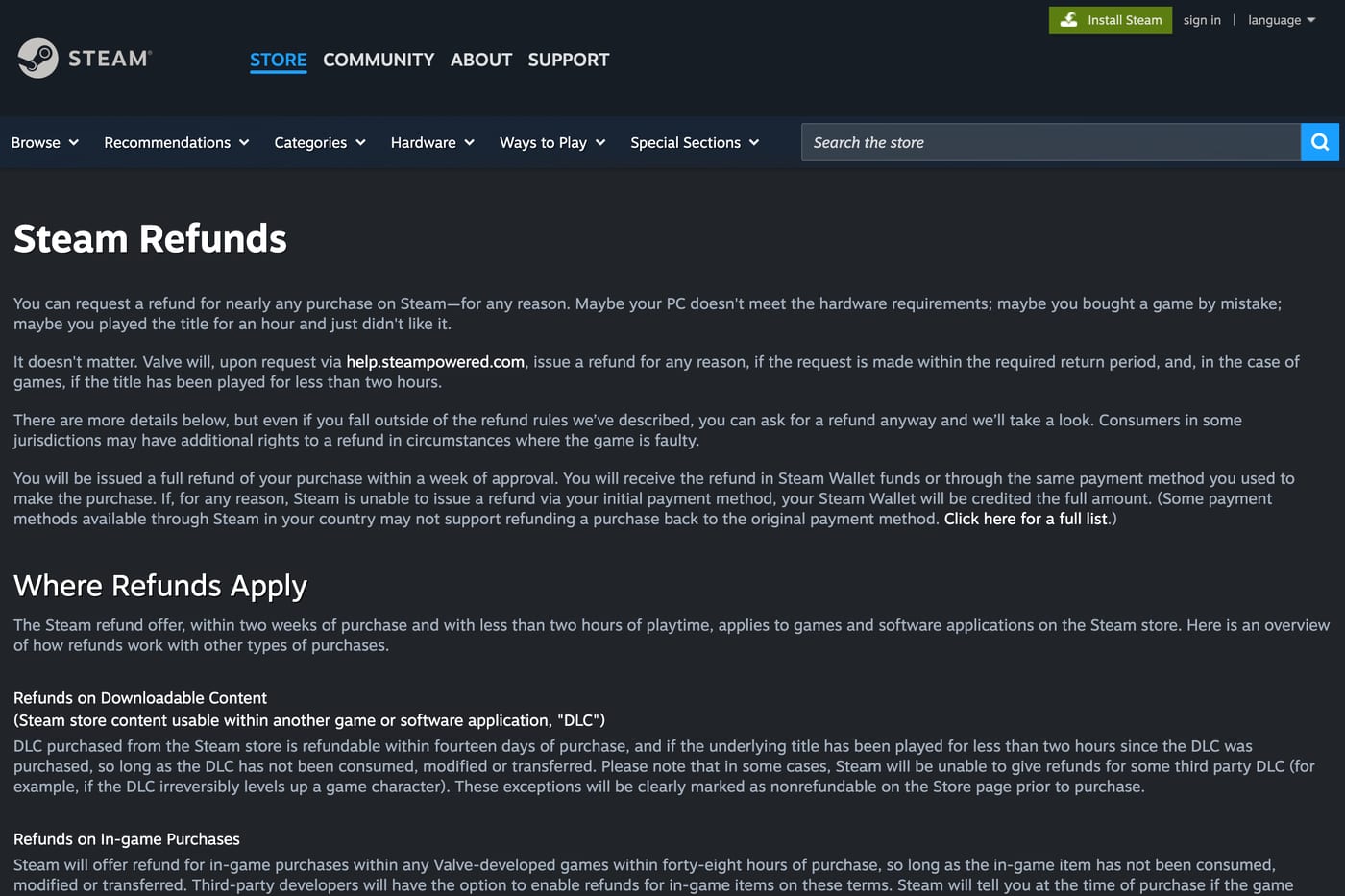
The core rule has not changed in years. Here is what the official policy page says for each type of purchase, checked this month.
| Purchase type | Refund window | Condition |
|---|---|---|
| Game | 14 days from purchase | Under 2 hours of playtime |
| Pre-purchase, not yet playable | Any time before release | None |
| Pre-purchase after release | 14 days from release date | Under 2 hours, and pre-release playtime counts |
| DLC | 14 days from purchase | Under 2 hours on the base game since purchase, DLC not consumed, modified or transferred |
| In-game purchases in non-Valve games | Not refundable through Steam | Unless the developer opts in |
| Bundles | 14 days | Combined playtime across all items under 2 hours, nothing transferred |
| Game you were VAC banned in | None | VAC ban removes the right to refund |
Two details matter for developers. First, the 2 hours is a threshold, not a wall. The policy says players can ask for a refund outside the rules and Valve will "take a look." Second, Valve states that refunds exist to remove purchase risk "not as a way to get free games," and it may stop granting refunds to accounts it considers abusive. Valve also says that refunding a game bought just before a sale and buying it again at the sale price is not abuse.
Valve uses that discretion when a game changes under players after they bought it. Two cases from the last few years:
- Helldivers 2, May 2024. After Sony announced a PlayStation Network login requirement and the game was pulled from sale in countries without PSN, GamesRadar reported that Steam approved refunds for players with over 100 hours played.
- The Day Before, December 2023. Fntastic closed four days after launch. Publisher Mytona said it worked with Steam to refund all purchasers and that "Steam will now proactively refund all remaining players" (VGC).
The takeaway for a small studio: if you add a mandatory account, remove content or shut down servers, assume refunds can land outside the 14 day and 2 hour limits.
What changed recently (and what did not)
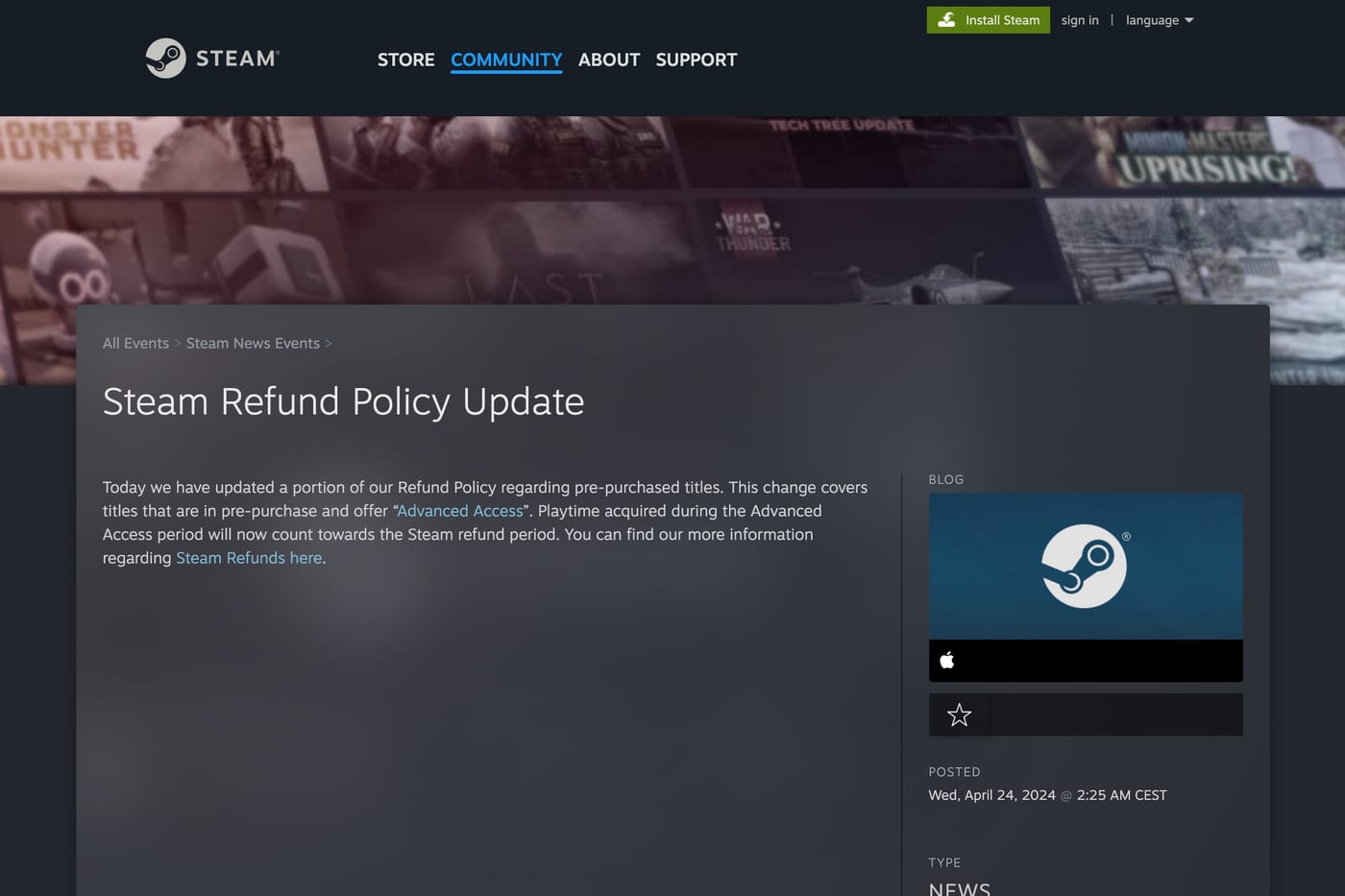
April 2024: Advanced Access playtime now counts. Valve announced that "Playtime acquired during the Advanced Access period will now count towards the Steam refund period." Before this, players could buy a deluxe edition with early access, play for days before launch, and refund after release. As Game Developer reported, the 14 days still start on the release date, beta testing is exempt from the 2 hour limit, and a pre-purchase that is not yet playable can be refunded at any time before release.
July 2026: gifts to email auto refund. In the gifting update that let people send games to an email address, Valve noted that "any gift email not accepted within 30 days will be automatically refunded." If you push gifting around the holidays, expect a small number of these.
No change to the 14 day / 2 hour rule in 2025 or 2026. We checked the policy page and every Steam news post that mentions refunds through November 2026. The main policy page still carries its April 2024 revision. In July 2026 the developer of Paddle Paddle Paddle publicly asked Valve to change the rule after reporting a 21% refund rate and over 55,000 refunds on a game with Very Positive reviews (Insider Gaming). No Valve response or policy change was reported.
How refunds show up in Steamworks and in your payment
Refund data lives in the Sales & Activations Reports site. Per the Steamworks refund documentation, open the package and click "Refund Data" under Links. You can view the last week, the last month or lifetime.
You get three things there:
- Refund numbers and rate. The rate is the share of units returned in the selected period. Valve warns that the weekly view is volatile right after launch and after discounts.
- Reason categories. Refund reasons are grouped into categories.
- Player notes. Expand a category to read what players actually wrote.
On revenue, there are two numbers to keep apart. The ad hoc sales figures you check daily are gross. The Reporting and Payments FAQ says they do not deduct "Applicable Adjustments such as returns, chargebacks and taxes," while your monthly Steam Sales Report "shows Gross Revenues less Applicable Adjustments to get to Net Revenue." Valve's revenue share then applies to that net figure, and the payments page says Valve pays by the 30th of the month following the sale. So a launch week that looks great in the live dashboard will always be smaller on the monthly report.
How much smaller? GameDiscoverCo's getting to net breakdown from 2020 modeled refunds and chargebacks at 9%, then sales tax and VAT, then Valve's 30%, leaving about 57.75% of gross. The real portfolio in that analysis landed between 56.5% and 59.5% of gross. It also found that dollar refund rates (6.5% to 11%) ran higher than unit rates (5% to 8%) because refunds from higher priced countries weigh more. For the rest of the deductions, see our guide to Steam fees for developers.
What refund rate is normal on Steam
Valve says rates vary widely with a game's history, launch, price and player expectations, and it does not publish a benchmark. The best public data is the GameDiscoverCo survey published in February 2025. It covers lifetime unit refund rates from almost 150 respondents, so treat it as a self selected sample, not a census.
| Segment (GameDiscoverCo, late 2024 survey) | Median refund rate | Average |
|---|---|---|
| All surveyed games | 9.5% | 10.8% |
| Launched straight to 1.0 | 8% | 10.3% |
| Currently in Early Access | 12.4% | 12% |
| Former Early Access, now 1.0 | 10.4% | 11.4% |
The same survey broke rates down further:
- Price: games under $5 averaged 8%, games at $30 and above averaged 11.9%.
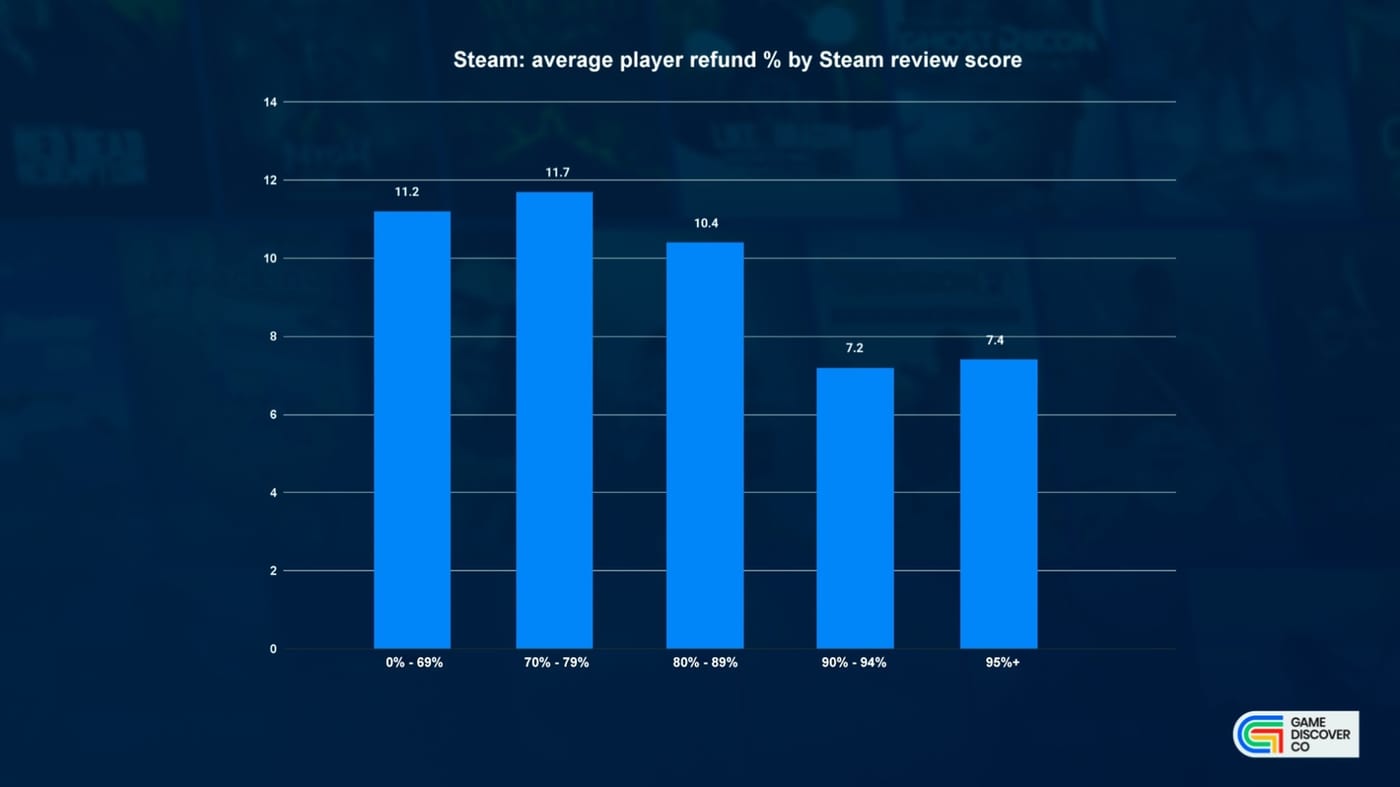
- Reviews: games at 90% to 94% positive averaged 7.2%, games below 80% positive averaged over 11%.
- Playtime: games with average playtime over 50 hours averaged 7.4%, games under 2 hours averaged 12.6%.
- Genre tags: Visual Novel (5.5%) and Puzzle (6.2%) were lowest, Sandbox (13.9%) and Base Building (13.7%) highest.
- Region: one respondent reported a 28% refund rate from Chinese players. The 2020 GameDiscoverCo analysis saw the same pattern, with one game at 5.5% in the US and 15% in China.
Most surveyed titles fell between under 5% and 25%. If you sit near 8% to 10% lifetime, you are in the normal range. If you sit well above 15%, read your refund notes before anything else.
Refund rates developers have shared publicly
Survey medians hide a wide spread. These are rates individual developers have published themselves, so each one is a single studio's report, not verified data.
| Game | Type | Refund rate reported | Context |
|---|---|---|---|
| Paddle Paddle Paddle (Zoroarts, 2025) | $4.99 co-op rage game | 21%, over 55,000 refunds | About 270,000 buyers, often on sale (Indie Game Joe) |
| No Case Should Remain Unsolved (Somi, 2024) | $6.99 mystery, beatable in about 2 hours | Under 5% across all his games | Somi told Automaton a positive but refunded review was the only one of its kind he had seen |
| Summer of '58 (Emika Games, 2021) | Horror, about 90 minutes | "Something like 30%" across his games | Figure from a Russian language post, as relayed by GameDiscoverCo |
| The Watson-Scott Test (Andy Sum) | $5 horror, about 20 minutes | 10.7% by units | Shared with Game Developer |
| Unnamed game in the GameDiscoverCo survey | Launched buggy | 25% at launch, 13.3% a year later | Fell as bugs were fixed (GameDiscoverCo) |
| Unnamed annual sports franchise | Yearly release | 12.4%, 12.7%, 12%, then 14.4% | 2021 to 2024 installments, same survey |
Two things stand out. Length alone does not decide the rate: Somi's short game sits far below Summer of '58. And context drives the number: Indie Game Joe points out that Paddle Paddle Paddle's 21% covers every refund reason, including netcode, bugs, connection issues and friend groups that never got together, not only players who finished and returned it. The developer later called 20% "not super high but rather normal for a rage game."

What players say when they refund
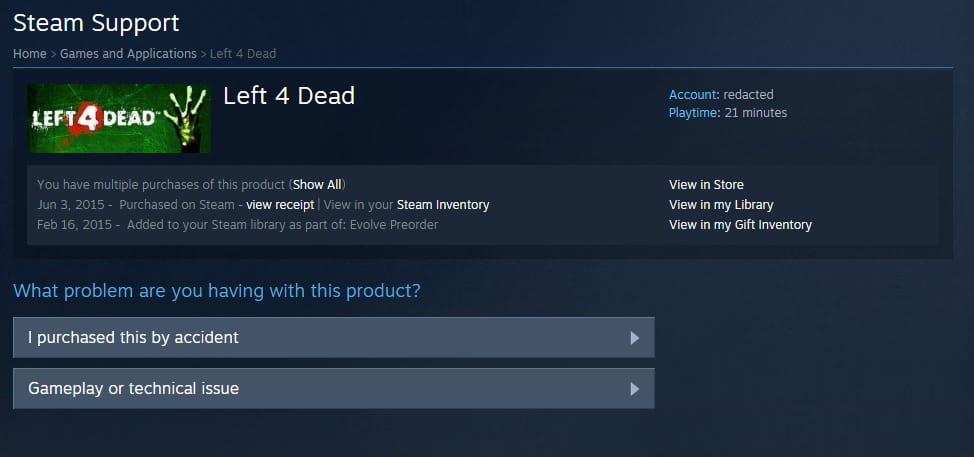
Valve does not publish the full list of reason categories, and developers rarely share theirs. The clearest public example is old but useful. In 2016 Facepunch shared a month of data covering a Steam sale period. Garry's Mod had a 2.7% refund rate with "not fun" (5,680) and bought by accident (3,622) on top. Rust, then in Early Access, had 9.4%, led by "system requirements not met" (6,811), followed by frame rate, crash and "not fun" complaints. For a small narrative game the mix looks different: Jon Oldblood, developer of Masochisia, told Game Developer that "Not fun" alone made up a little over 50% of his refunds, with technical reasons a small share.
The lesson holds today. A refund reason tells you whether the problem is expectations (not fun, not what I expected) or the build (performance, crashes, hardware). GameDiscoverCo's review of refund messages found a lot of notes are throwaway, but that "technical support issues sometimes come out more strongly via refund requests" than in reviews or Discord. Players who refund often never post a bug report, so this is the only place you hear from them.
Short games and the 2 hour window
The worry is simple: if a player can finish your game in under 2 hours, they can finish it and refund it. The data says this is real but usually smaller than the noise around it.
- In the GameDiscoverCo survey, games with under 2 hours average playtime had a 12.6% refund rate, against a 9.5% median and 10.8% average overall.
- In a 2021 Game Developer analysis, Simon Carless found most short games did not show extreme rates. The Watson-Scott Test, a $5 game of about 20 minutes, had a 10.7% unit refund rate. Carless asked whether the bigger problem for short games is people not wanting to buy them at all.
- Outliers exist. Paddle Paddle Paddle, a rage game, reported 21% (a single developer's public figure, July 2026).
- Low rates exist too. Eric Juvi, who released the short game Stars Die in December 2020, told GameDiscoverCo that refunds were "almost non-existent."
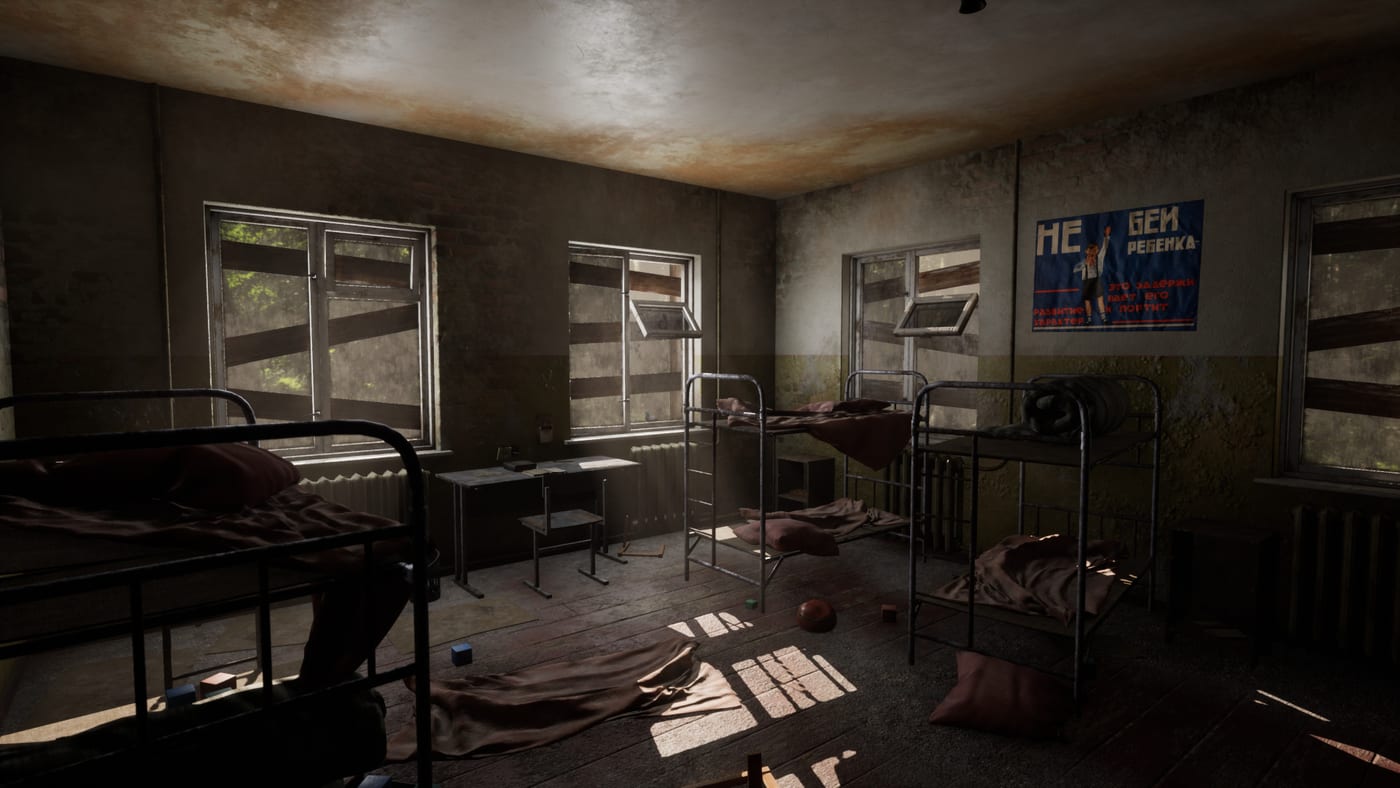
Mini case: Summer of '58. This first person horror game says on its store page that the average completion time is 90 minutes. In 2021 its solo developer left game development "for an indefinite time," blaming "a huge number of returns" even with positive reviews (Kotaku). GameDiscoverCo noticed that the game ends abruptly after about 65 minutes on a "TO BE CONTINUED" screen, which gives a player a clear signal that the game is done without a satisfying ending. It also suggested that jump scare horror shown to a wide YouTube audience may pull in younger, more casual buyers who refund more. So a stated playtime did not protect this game. How the game ends, and who it was shown to, mattered as well.
If your game is short, price it so the length reads as fair, say plainly on the store page how long a run takes, and give players reasons to keep playing past the first credits (unlocks, modes, achievements). Example: Sam Beddoes added an alternate character mode, collectibles that unlock new endings and an in-game speedrun timer to Manos: The Hands of Fate so players would replay it, and told Game Developer that "based on the figures" those small touches did their job. The developers interviewed for that 2015 piece reported refunds of 1% to 7% of sales. Our guide on how to price your indie game covers the price and length question in more depth.
How to reduce refunds
You cannot opt out of Steam refunds, and you should not want to: they lower the risk of buying an unknown indie game. What you can control is the gap between what players expect and what they get.
- Make the store page honest. Lead the trailer and screenshots with actual gameplay, not cinematics. Tag accurately. A player who bought a different game in their head is a refund waiting to happen. Work through our Steam store page checklist before launch and before every sale.
- Get the system requirements right. "System requirements not met" topped Rust's refund reasons. Test on the minimum spec you list, and be conservative. If you claim Steam Deck support, earn it (see Steam Deck Verified).
- Fix performance and crashes first after launch. In the GameDiscoverCo survey, one game went from 25% refunds at launch to 13.3% over a year as stability improved. Another respondent saw rates fall "as stability improved, bugs were squashed and DLC released." Frame rate and crash complaints are the most fixable category you will see. For a co-op game, count netcode and connection problems here too: they were among the refund reasons behind Paddle Paddle Paddle's 21%.
- Put the hook inside the first hour. Refunds happen in the first 2 hours by design. A long tutorial or slow opening is where "not fun" notes come from.
- Watch your discounts. One survey respondent put it this way: "the bigger the discount, the bigger the number of refunds." Valve also expects higher rates right after a discount. Deep cuts bring in impulse buyers, so expect a bump and judge the sale on net revenue, not gross units. Example: another respondent saw a jump during its first 20% discount, which was tied to a Daily Deal five days later, and put it down to impulse buyers. A third saw "a small increase" after joining Steam events that were not a close fit for the game.
- Consider a demo, even after launch. Richard Meredith of Bad North told GameDiscoverCo that adding a Steam demo after release brought more reviews and sales, and that the game stopped taking a review score hit during discounts because "the demo was filtering out some people who did not enjoy the game." He did not give refund numbers, but the mechanism is the same: players who try first do not buy the wrong game.
- Read the notes after every spike. Check Refund Data a week after launch, after each major patch and after each sale. Group the notes by theme and fix the top one.
Expectation setting also happens off Steam. When players see real gameplay in creator videos before they buy, they arrive knowing what the game is. That is one reason creator campaigns work best when creators play the actual build rather than read a script.
FAQ
What is Steam's refund policy for developers?
Developers cannot change or opt out of it. Players can refund within 14 days of purchase with under 2 hours played, refunds are deducted from your gross revenue before Valve's share, and you see the rate and reasons under Refund Data in Steamworks.
What is a normal Steam refund rate?
A GameDiscoverCo survey of almost 150 developers found a median lifetime unit refund rate of 9.5% and an average of 10.8%, with most games between under 5% and 25%. Early Access titles ran higher, at a 12.4% median.
Does Steam count playtime before release toward the 2 hour limit?
Yes. Since April 2024, playtime during pre-purchase Advanced Access counts toward the 2 hours. The 14 day window still starts on the release date, and beta testing is exempt.
Can players refund after 2 hours of play?
They can ask. Valve's policy says it will review requests outside the 14 day and 2 hour limits, but approval is not automatic.
Do refunds reduce what Valve pays me?
Yes. Your monthly Steam Sales Report subtracts returns, chargebacks and taxes from gross revenue to reach net revenue, and the revenue share is applied after that. The live sales dashboard does not show these deductions.
Where do I see why players refunded my game?
In the Sales & Activations Reports site, select your package and click Refund Data. Reasons are grouped by category, and you can expand each one to read players' written notes.
Are short games refunded more on Steam?
Somewhat. Games with under 2 hours of average playtime had a 12.6% refund rate in the GameDiscoverCo survey, against a 10.8% average overall, though some short games report far lower rates.
Sources: Steam Refund Policy; Steamworks: Developer Refund Reporting; Steamworks: Reporting and Payments FAQ; Valve: Steam Refund Policy Update; Valve: Gifting made easier; GameDiscoverCo: Steam refunds, how many should you expect?; GameDiscoverCo: getting to net on Steam; Game Developer: Steam refunds and short games; GameDiscoverCo: Steam refund worries; Game Developer: indie devs on Steam refunds; Automaton: Somi on short game refunds; Indie Game Joe: Steam refunds aren't the enemy; Kotaku: Summer of '58; GamesRadar: Helldivers 2 refunds; VGC: The Day Before refunds; checked November 2026.
Get a wishlist forecast for your game
Send us your Steam page. We estimate views, creators and cost per wishlist before you spend anything.
Keep reading
How Many Copies Do Indie Games Sell? Real Steam Numbers by Tier
Most Steam indie games sell under 1,000 copies. Real numbers by tier…
Game Marketing Hook: How to Find, Test and Show Yours
What a game marketing hook is, how to test one cheaply with…
How to Name Your Game: Searchable, Memorable and Legally Safe
How to name your game: pass the Steam, Google and trademark checks…